INTERNATIONAL
Return of the 'Dark Prince' after 17 years, earthquake in Dhaka politics, hope or alarm bell for India?
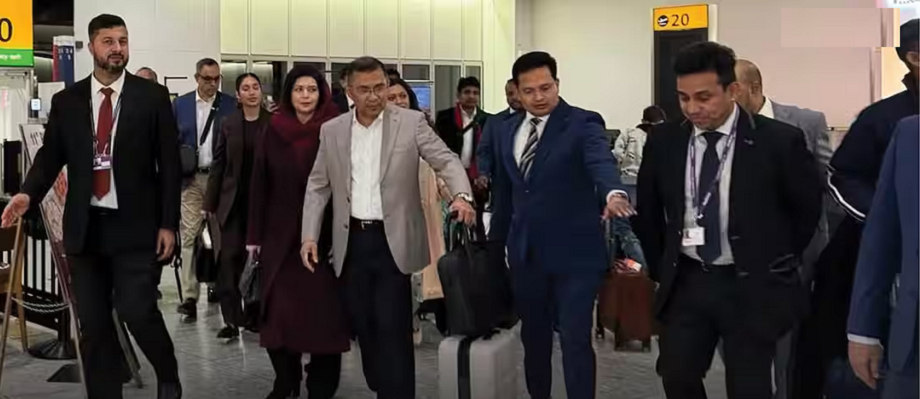
Tarique Rahman: Tarique Rahman has distanced himself from Jamaat, questioning the policies of the Yunus government and supporting the 'Bangladesh First' policy.
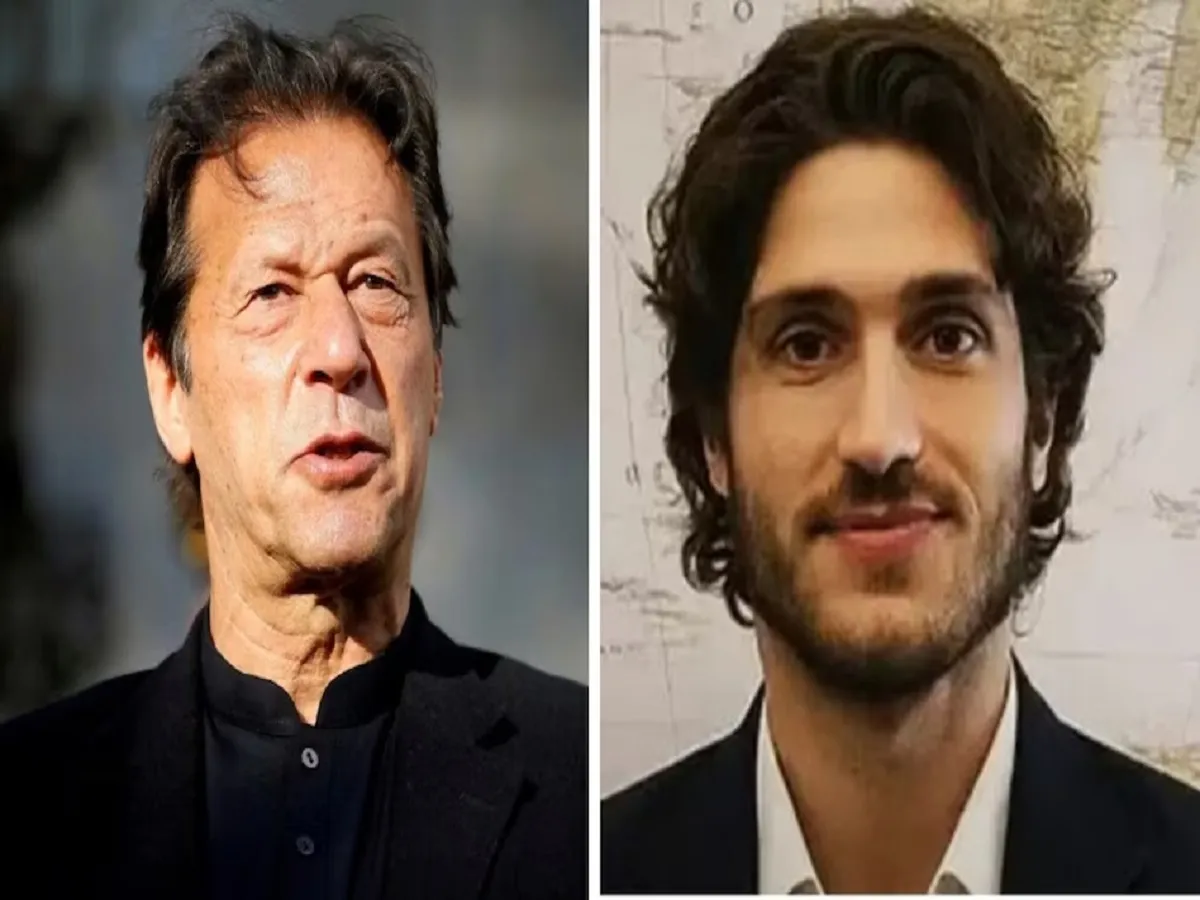
Tarique Rahman: In a major development in Bangladeshi politics, Tarique Rahman, son of Bangladesh Nationalist Party (BNP) chief Begum Khaleda Zia, has returned home after a long absence of nearly 17 years. Tarique Rahman's return has sparked tremendous enthusiasm among BNP supporters, and is being seen as a turning point in the country's politics.
Tarique Rahman's return comes at a time when Bangladesh is experiencing severe political instability. Violent protests are raging in various parts of the country, while radical forces like Jamaat-e-Islami are expanding their influence.
Why is Tariq Rahman's return important for India?
Tarique Rahman's return holds special significance for Delhi. The Awami League, considered pro-India, is barred from contesting elections, and Khaleda Zia is hospitalized. Bangladesh is at a crossroads, with radical Islamic elements active under interim government chief Mohammad Yunus and anti-India rhetoric on the rise. India's biggest concern is the Jamaat-e-Islami, considered a supporter of Pakistan's ISI. Banned during the Sheikh Hasina government, the Jamaat has re-entered politics following last year's change of power.
Electoral equations and the growing power of the Jamaat
According to recent opinion polls, the BNP is expected to win the most seats in the elections, but its former ally, the Jamaat-e-Islami, is giving it a tough fight. India's concerns are also heightened by the Jamaat-e-Islami's student wing's unexpected victory in the Dhaka University student union elections.
Why is this a positive sign for India?
India views the BNP as a relatively liberal and democratic alternative, despite historically strained relations between the two. New Delhi hopes that Tarique Rahman's return will reenergize party workers and enable the BNP to form the next government. Under Sheikh Hasina, Bangladesh maintained close ties with India and a balanced distance from China and Pakistan. During Yunus's government, closer ties with Pakistan and a distancing from India were observed. India hopes that the BNP's coming to power will lead to a shift in foreign policy. On December 1, Prime Minister Narendra Modi publicly expressed concern for Khaleda Zia's health and offered India's support. The BNP responded with gratitude, which was seen as a rare positive sign amid years of strained relations.
Yunus distances himself from the government and the Jamaat
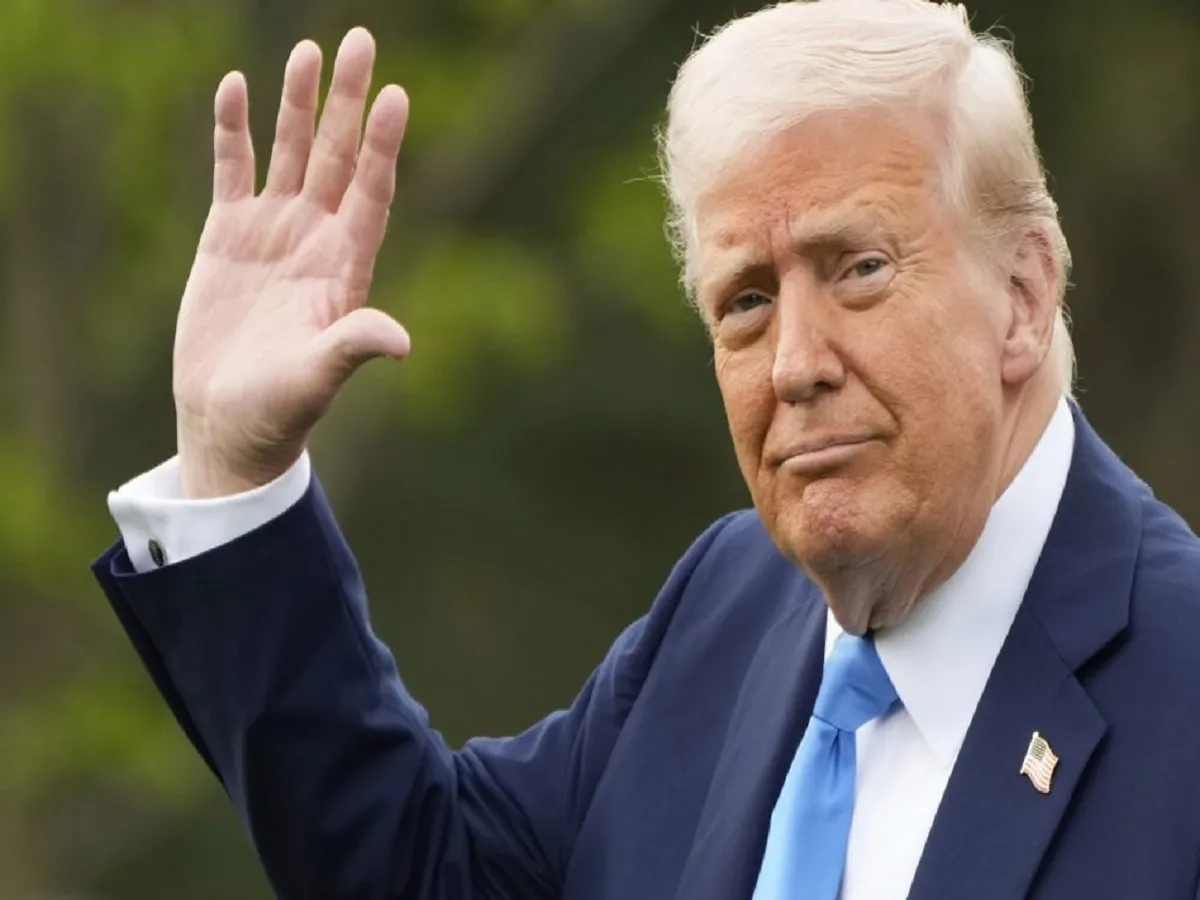
Tarique Rahman has expressed disagreements with the Yunus government and questioned the interim government's long-term foreign policy decisions. He has criticized Jamaat-e-Islami and ruled out an electoral alliance with it. Earlier this year, London-based Tarique Rahman called for a "Bangladesh First" foreign policy, inspired by former US President Donald Trump's "America First" slogan. He said, "Neither Delhi nor Pindi, Bangladesh first," making it clear that the BNP would adopt a policy of not getting close to either Rawalpindi or Delhi.
Tariq Rahman's homecoming
Tarique Rahman's arrival in Dhaka was grand. It was claimed that around 5 million BNP workers participated in the roadshow from the airport to his residence. Tarique Rahman is likely to contest from the Bogura 6 (Sadar) seat, while party chief Khaleda Zia will contest from her stronghold, Bogura 7 (Gabtali Shajahanpur). Sources say radical elements are unhappy with this show of strength, and there are fears of a clash between the BNP and Jamaat before the elections. The government deployed the highest level of security on Thursday. According to local media, around 300,000 supporters arrived in the capital on 10 special trains, which the BNP described as a "historic crowd."
Who is Tariq Rahman?
Tarique Rahman, the son of former President Ziaur Rahman, has been living in London since 2008. He was convicted in several cases during Sheikh Hasina's regime, which the BNP described as a political conspiracy. He was arrested in 2007 in a corruption case and faced allegations of serious health problems and torture during his detention. He was granted bail in 2008 and allowed to travel to London for treatment, where he has been living since.
He was also sentenced in absentia for the 2004 Dhaka grenade attack, which killed 24 people, while Sheikh Hasina narrowly escaped. In 2008, a series of reports in the Dhaka Tribune exposed corruption during the BNP regime from 2001 to 2006, calling him the "Dark Prince." However, in the past year, courts have acquitted him in all major cases.
PC:ABPNews