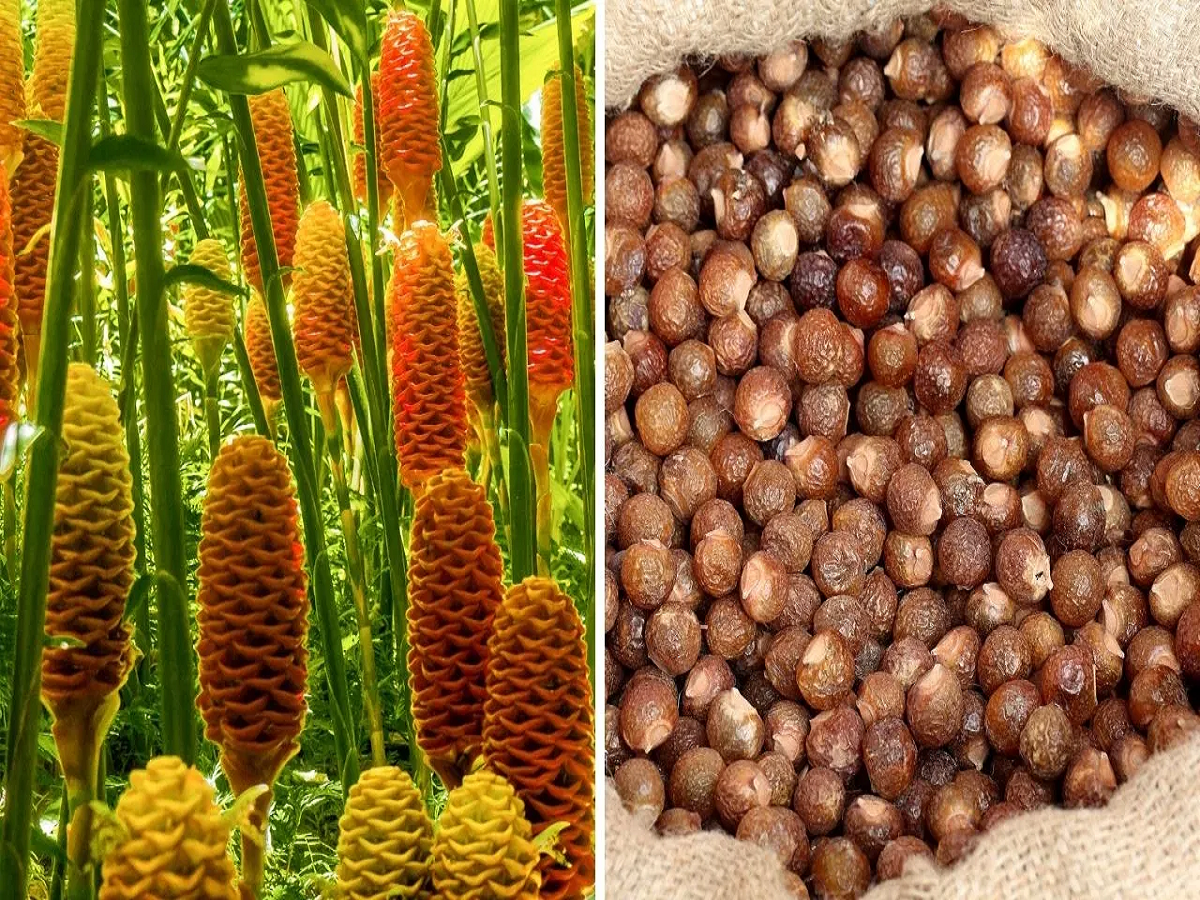
Shampoo is a regular part of most people's hair-care routine, but traditional hair-care methods have long relied on natural ingredients to cleanse the scalp and hair. Ingredients such as reetha, amla, shikakai and Multani mitti are still used by many people as alternatives to conventional hair cleansers.
If you want to experiment with a simpler hair-care routine, here are three traditional options you can try. However, natural doesn't automatically mean suitable for every scalp, so it's best to test a small amount first.
1. Reetha, Amla and Shikakai
The combination of reetha, amla and shikakai is one of the most well-known traditional Indian hair-wash preparations.
Reetha contains natural compounds called saponins that produce a mild lather when mixed with water. Shikakai has traditionally been used as a hair cleanser, while amla is commonly included in traditional hair-care routines.
How to Prepare It
Mix amla and shikakai powder with water and allow the mixture to soak. Soak reetha separately.
The ingredients can then be boiled together to make a concentrated liquid or paste. Once it cools to a comfortable temperature, apply it to the scalp and hair and gently massage.
Leave it on for a few minutes before thoroughly rinsing with water.
Avoid getting the mixture into your eyes, as it can cause irritation.
2. Natural Flower-Based Hair Wash
Some traditional plants contain substances that have been used as natural cleansers.
One example is the flower of the torch ginger plant. The fleshy material found around the flower has traditionally been used in some hair-care practices.
It can be incorporated into a homemade hair wash and applied to the scalp and hair before rinsing.
If you're trying a plant-based ingredient for the first time, use a small amount initially to check whether your scalp reacts well to it.
3. Multani Mitti for a Traditional Hair Cleanse
Multani mitti, or Fuller's earth, has traditionally been used for cleansing because of its absorbent properties.
To prepare a simple hair pack, mix Multani mitti with water and allow it to sit for around 30 minutes. You can also add a small amount of aloe vera gel.
Apply the mixture from the scalp towards the lengths of your hair and leave it on briefly. Rinse thoroughly with water before the clay becomes excessively dry.
Be Careful If You Have a Dry Scalp
Although Multani mitti can absorb oil, it may make an already dry scalp or hair feel even drier. Similarly, homemade hair washes may not suit everyone.
If you have a sensitive scalp, dandruff, eczema, psoriasis or persistent itching, avoid experimenting with multiple ingredients at once. A dermatologist can help determine the appropriate treatment.
Natural Doesn't Always Mean Better
Homemade hair cleansers can be an interesting addition to a traditional hair-care routine, but they aren't automatically safer or more effective than commercially formulated shampoos.
The right cleanser depends on your scalp and hair type. If your regular shampoo is working well for you, there is no medical requirement to replace it simply because it contains synthetic ingredients.
If you do try a natural hair wash, start gradually, rinse thoroughly and stop using it if you experience itching, burning, redness or increased dryness.