INTERNATIONAL
Strait of Hormuz Crisis: Global Trade Stuck Between US–Iran Tensions, Who Will Break the Deadlock?
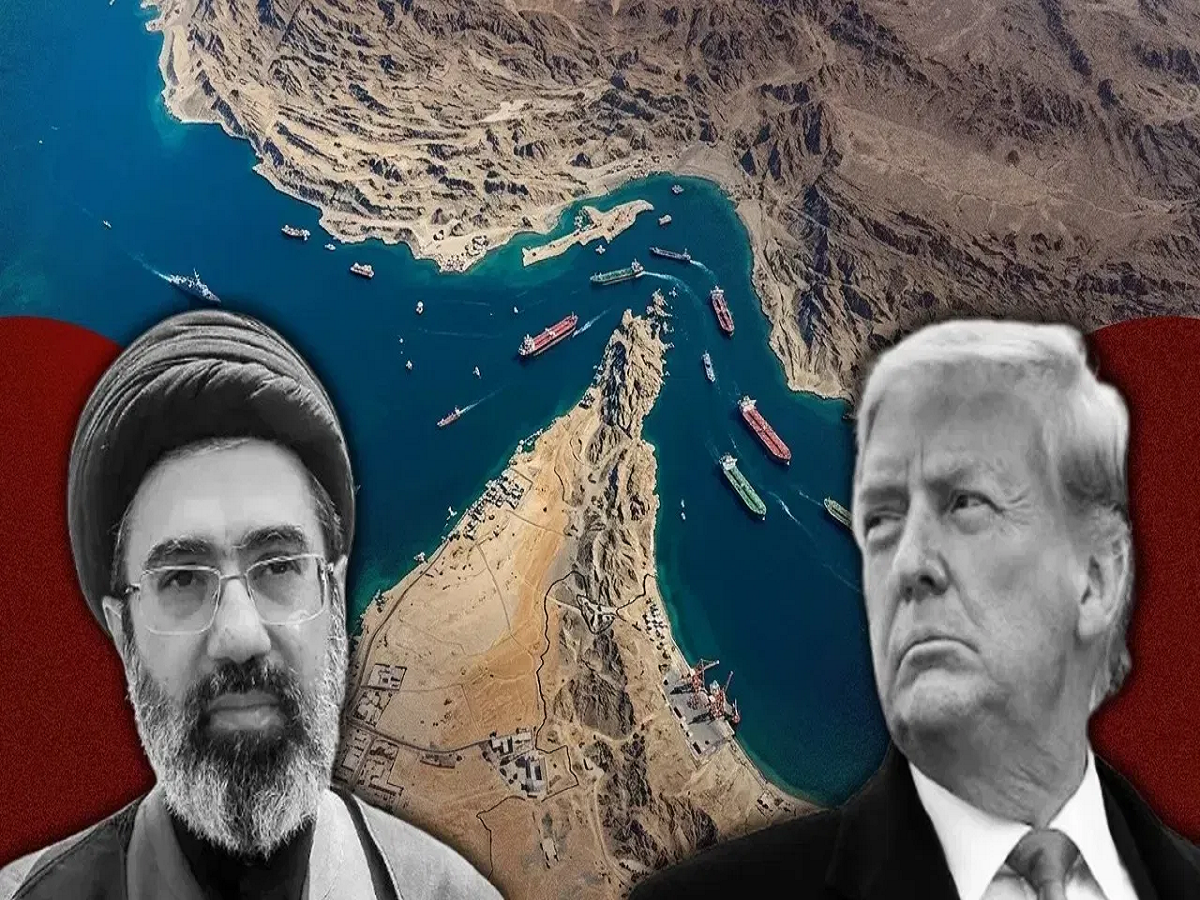
The situation surrounding the Strait of Hormuz has become increasingly critical, as geopolitical tensions escalate between the United States and Iran. Following the collapse of peace talks in Islamabad, the US has reportedly moved to enforce a complete blockade of this vital route by deploying naval forces in the Gulf of Oman. At the same time, Iran has been allowing limited passage only to countries willing to meet its conditions, creating a tense and uncertain environment for global shipping.
This dual pressure has effectively paralyzed movement through one of the world’s most important oil transit routes. Hundreds of cargo ships are stranded, and the risk to global trade and energy supply is rising. While Iran continues to assert control through selective permissions, the US has taken a strict stance, warning of consequences for any unauthorized movement. As a result, commercial vessels are caught in a geopolitical standoff with no clear path forward.
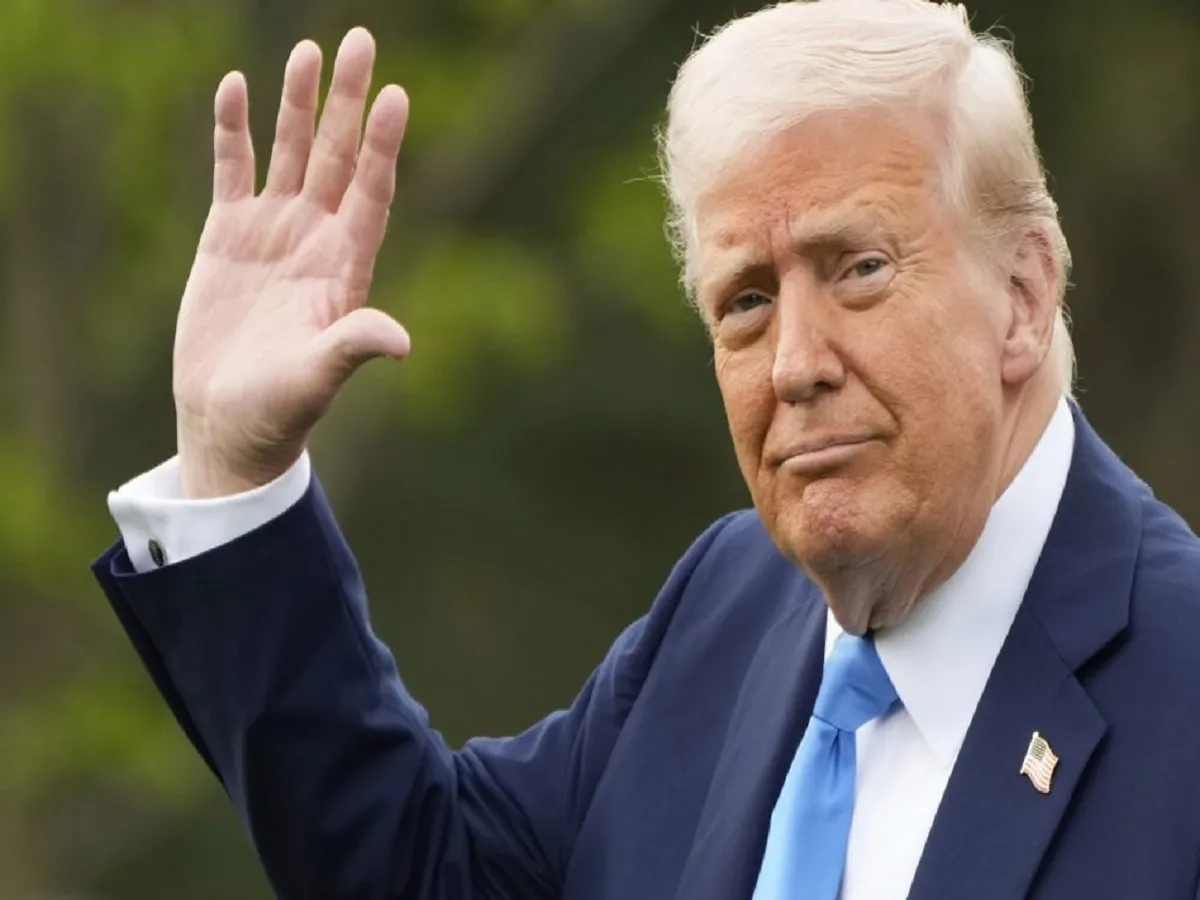
At the center of this crisis are key global leaders. Donald Trump has made it clear that Iran will not be allowed to benefit from the strategic passage, while Masoud Pezeshkian maintains Iran’s position on sovereignty and control. The lack of common ground between the two sides has deepened the deadlock.
Efforts to resolve the situation are now emerging from multiple directions. Vladimir Putin is being seen as a potential mediator, given his influence and ties with both nations. Russia could play a crucial role in bridging the gap. Meanwhile, Turkey is engaging in backchannel diplomacy to revive negotiations, and France, led by Emmanuel Macron, has expressed willingness to support peace efforts, possibly alongside the United Kingdom.
Additionally, regional diplomatic movements, including renewed engagement between Israel and Lebanon, may contribute to easing broader tensions in the Middle East. However, a lasting solution will likely require a coordinated international effort.
Until a formal agreement is reached between the US and Iran, the Strait of Hormuz will remain a flashpoint. The reopening of this crucial route depends not on a single country, but on successful multilateral diplomacy that can balance power, security, and economic interests on a global scale.