INTERNATIONAL
Strait of Hormuz Security Plan: US Pushes Multi-Nation Force Proposal, India Denies Troop Commitment
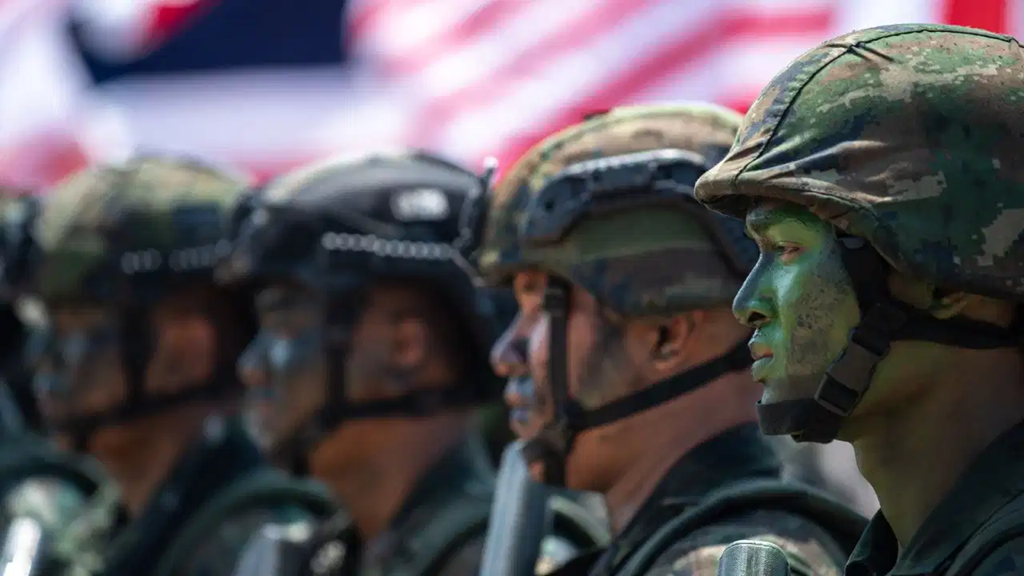
The United States is reportedly working on a proposal to form a multi-nation joint military force aimed at ensuring the Strait of Hormuz remains open and secure amid rising tensions in the Middle East. However, India has made it clear that it will not participate in any troop deployment for such a mission.
US Proposal for Joint Security Force
According to reports, the plan under discussion involves deploying a multinational force to safeguard one of the world’s most critical energy trade routes—the Strait of Hormuz.
The proposal is expected to be discussed at an upcoming international meeting in France, especially if ongoing negotiations with Iran fail to produce a diplomatic resolution.
India’s Clear Position
India has reportedly come under diplomatic pressure from the United States and its allies to contribute troops to the proposed mission. However, New Delhi has firmly stated that it does not intend to send military personnel.
India maintains that regional tensions should be addressed through dialogue and diplomacy, rather than military intervention.
The country is expected to present this stance at upcoming international discussions on Middle East security.
India’s Role in Global Discussions
India is set to participate in multiple high-level meetings, including those linked to the G7 framework. The issue of Middle East stability, including the Strait of Hormuz, is expected to feature prominently in these talks.
Prime Minister Narendra Modi is also expected to present India’s position on global security and energy stability during these discussions.
France Hosts Key Diplomatic Meetings
France has invited several key regional players—including Egypt, Qatar, the United Arab Emirates, and Saudi Arabia—for talks focused on Iran and the potential reopening and security of the Strait of Hormuz.
A major diplomatic summit is scheduled in the French city of Évian-les-Bains from June 15–17, bringing together global leaders and delegations from major economies.
G7 Summit and Global Participation
The discussions will take place alongside the broader G7 summit, which includes:
-
United States
-
France
-
Germany
-
United Kingdom
-
Italy
-
Japan
-
Canada
-
European Union (as a participant)
Middle East security is expected to be a key agenda item, while Russia-Ukraine issues will be discussed separately among G7 members.
India-France Bilateral Engagement
On the sidelines of the summit, Prime Minister Modi is also expected to hold bilateral talks with French President Emmanuel Macron, focusing on strategic cooperation, technology, and global security challenges.
A High-Stakes Diplomatic Moment
The proposed multinational security initiative highlights growing global concern over energy routes and regional stability. However, India’s firm stance on avoiding military involvement underscores its continued emphasis on diplomacy over armed intervention.
The coming weeks are expected to be crucial as global leaders attempt to balance security concerns with diplomatic solutions in one of the world’s most sensitive maritime regions.