AUTO
Tesla Cybertruck Production May End by 2027: Elon Musk Reveals Major Shift Towards Self-Driving Cybercab
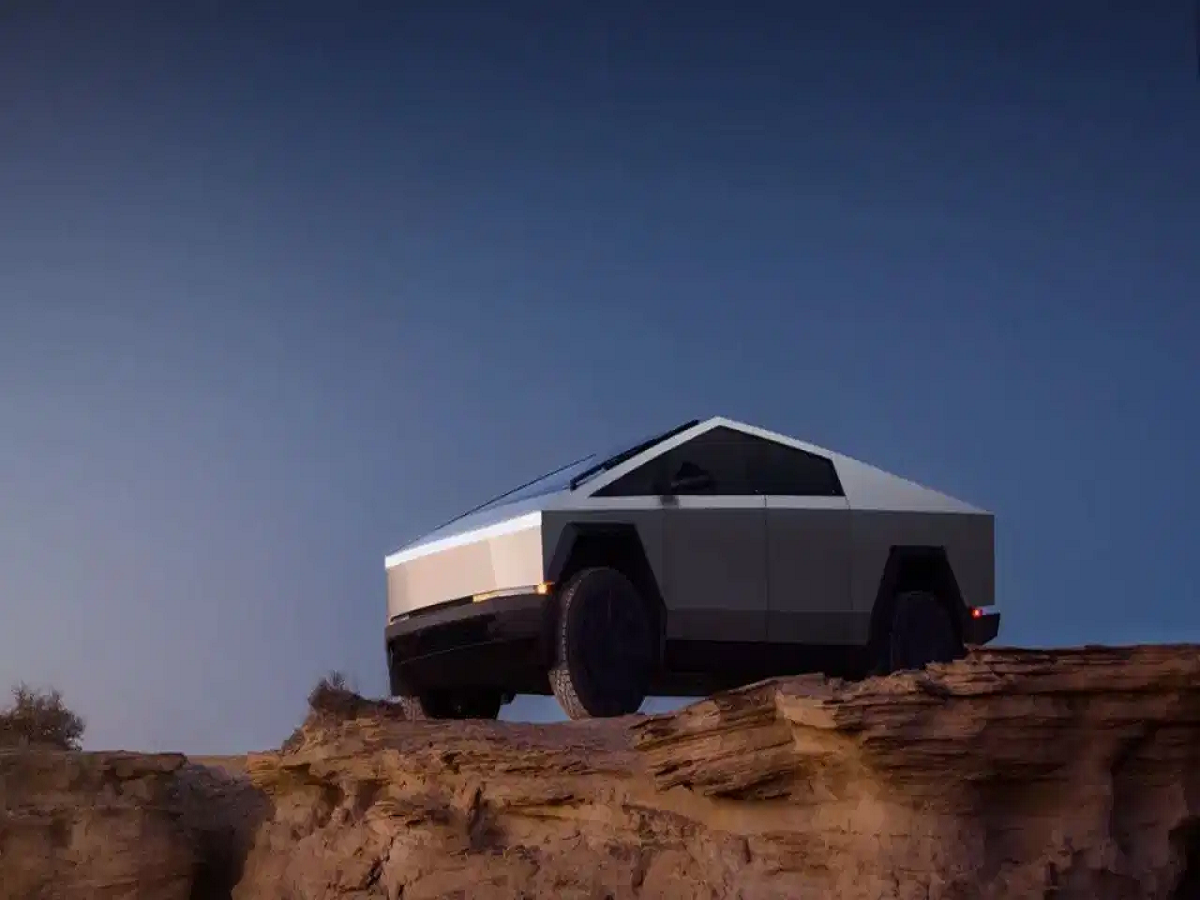
Tesla CEO Elon Musk has indicated a major change in the company's electric vehicle strategy, with the Cybertruck potentially heading towards the end of its production. According to information shared by Musk on social media platform X, Tesla is considering stopping Cybertruck manufacturing at its Gigafactory in Texas by mid-2027.
The decision is expected to free up valuable factory space, which Tesla plans to utilise for increasing the production of its upcoming autonomous electric vehicle, the Cybercab.
Interestingly, the Cybertruck could see its production end just a few years after manufacturing began in 2023. The development highlights Tesla's changing priorities as the company increasingly focuses on autonomous driving technology and its future mobility business.
Why Is Tesla Planning to Stop Cybertruck Production?
Tesla introduced the Cybertruck concept in 2019, creating considerable excitement because of its unconventional design and futuristic appearance. The company initially planned to begin deliveries in 2021, but production was delayed several times.
Manufacturing eventually started in 2023 at Tesla's Gigafactory in Texas, United States.
The electric pickup quickly attracted attention because of its angular body design, stainless-steel exterior and advanced technology. It was positioned as a competitor to electric pickups such as the Ford F-150 Lightning.
However, the company has faced several challenges since its launch. Despite the initial excitement, demand has reportedly been lower than Tesla's earlier expectations.
The Cybertruck is currently available in selected international markets, including the United States, Canada, Mexico, the UAE, Qatar, South Korea and Saudi Arabia.
Cybertruck Sales Remained Below Expectations
One of the major challenges for Tesla has been the gap between its original sales ambitions and actual customer demand.
When the Cybertruck was first announced, Elon Musk projected annual demand of around 250,000 units. However, reported cumulative sales of approximately 63,000 units have fallen significantly short of that ambition.
Pricing has also been a major concern. The vehicle's launch prices were considerably higher than the figures initially indicated when the concept was introduced in 2019.
Additionally, its unusual styling has divided customer opinions. While some buyers appreciate its futuristic appearance, others prefer conventional pickup designs.
The company has also faced regulatory challenges in certain international markets, particularly Europe, where concerns about vehicle safety and pedestrian protection have complicated its potential entry.
Tesla Cybercab Could Become the Company's Next Big Focus
As Tesla prepares to change its production priorities, the Cybercab is expected to receive greater attention.
The Cybercab is an upcoming fully autonomous electric vehicle designed primarily for driverless transportation and Tesla's planned ride-hailing services.
Unlike conventional cars, the vehicle has been designed without a steering wheel or traditional driving pedals. It also features distinctive butterfly-style doors and a futuristic exterior.
The concept represents Tesla's ambition to develop a transportation system based on autonomous vehicles rather than relying entirely on privately owned cars.
By allocating additional factory capacity to Cybercab production, Tesla aims to strengthen its position in the emerging autonomous mobility segment.
What Happens to Tesla's Other Electric Cars?
A potential Cybertruck production shutdown would mark another major change in Tesla's vehicle lineup.
The company has also made significant changes to its other premium models, including the Model S and Model X.
The Model 3 and Model Y continue to play important roles in Tesla's global passenger vehicle business.
Meanwhile, the next-generation Tesla Roadster is expected to be another important upcoming product, with deliveries previously indicated for 2028. The company is also working on more affordable electric vehicle options, although a confirmed launch timeline remains uncertain.
What Does This Decision Mean for Tesla?
Tesla's reported plans indicate a shift in focus from traditional electric vehicles towards autonomous transportation and artificial intelligence-based mobility solutions.
The Cybertruck generated enormous attention when it was introduced, but its commercial performance has not matched the company's original ambitions.
If production ends by mid-2027 as indicated, Tesla will be making a significant strategic move by prioritising the Cybercab and its future autonomous vehicle business.
For the automobile industry, this development could also signal how quickly electric vehicle manufacturers are changing their strategies to adapt to evolving customer demand and new transportation technologies.