INTERNATIONAL
The "AI Cage": Xi Jinping Government Imposes Strict Exit Bans on China’s Tech Engineers to Prevent Global Brain Drain
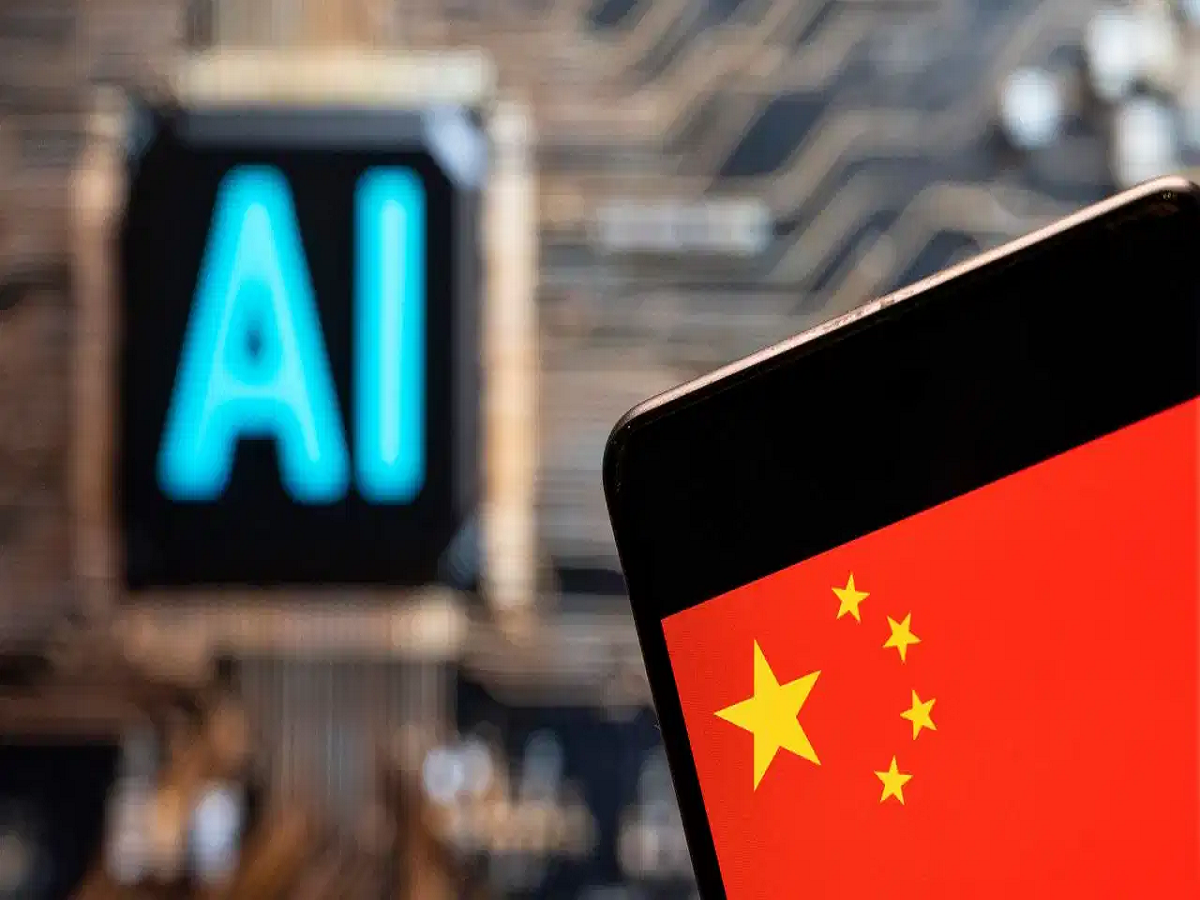
In a sweeping and unprecedented move to guard its crown jewels of technology, the Chinese government, led by Xi Jinping, has significantly tightened restrictions on foreign travel for the country's top Artificial Intelligence (AI) minds.
According to a report by Bloomberg, Beijing has slapped rigid travel regulations on AI specialists, engineers, and researchers working within the private sector. The clampdown is targeting high-profile talent across major domestic tech empires, including retail giant Alibaba and the fast-rising open-source pioneer DeepSeek. For the first time in China's modern tech history, working on cutting-edge algorithms means your right to leave the country is no longer guaranteed.
Total Surveillance: Who Is Under the Radar?
Under the new regulatory framework, state intelligence and administrative agencies are keeping an airtight watch on anyone contributing to advanced large language models (LLMs) and deep-learning infrastructure.
The mandatory government clearance protocol before booking an international flight now applies to:
-
Startup Founders: Visionaries building the next generation of generative AI tools.
-
Core Researchers: Data scientists and programmers coding foundational models.
-
Corporate Executives: High-level managers driving the business architecture of private tech firms.
While Beijing has historically seized passports and restricted travel for nuclear scientists, state university academics, and senior executives at state-owned enterprises, extending this authoritarian grip to the private tech sector marks a massive escalation in state intervention.
The Motivation: Engineers Treated as "Strategic Military Assets"
Industry analysts believe that the Xi Jinping administration has officially reclassified AI talent. They are no longer viewed simply as private employees, but as vital national security assets equivalent to military defense researchers.
Ever since OpenAI's ChatGPT triggered a global tech arms race, China’s domestic AI landscape has expanded exponentially. However, this sudden travel lockdown stems from a deep-rooted fear of technology and talent migrating to Western or neutral hubs.
The Catalyst Event: The panic in Beijing intensified following the quiet exit of an AI startup called Manus. Founded in mainland China, the firm abruptly packed up its operations and relocated to Singapore—subsequently entering discussions for a massive $2 billion deal. Fearing that its homegrown intellectual property was being siphoned out, Chinese authorities reportedly detained two of Manus's co-founders at the border, preventing them from leaving the country during an active investigation.
The Backlash: Will It Stifle Innovation?
While the government maintains that these travel limits are independent of the Manus incident and designed purely for national tech sovereignty, the decision has sent a chill through the local industry.
-
The Brain Drain Paradox: By forcing a strict approval system, international experts may become hesitant to take up long-term positions in China, knowing they might lose their mobility.
-
Investor Hesitation: This extreme level of state interference, coupled with ongoing U.S. investment restrictions on sensitive Chinese tech, could choke off crucial venture capital funding for early-stage startups.
The Bottom Line: By treating private software developers like state-guarded nuclear scientists, Beijing is making its priorities crystal clear: retaining technological dominance at any cost. However, by turning the domestic AI ecosystem into a gilded cage, China risks alienating the very innovators it needs to outpace global competitors. If engineers feel trapped inside the mainland, the policy meant to secure China's technological future could inadvertently freeze its creative spark.