NATIONAL
Toward an "AI-First" Force: Pentagon Inks Massive Intelligence Deals with Nvidia, Microsoft, and Big Tech
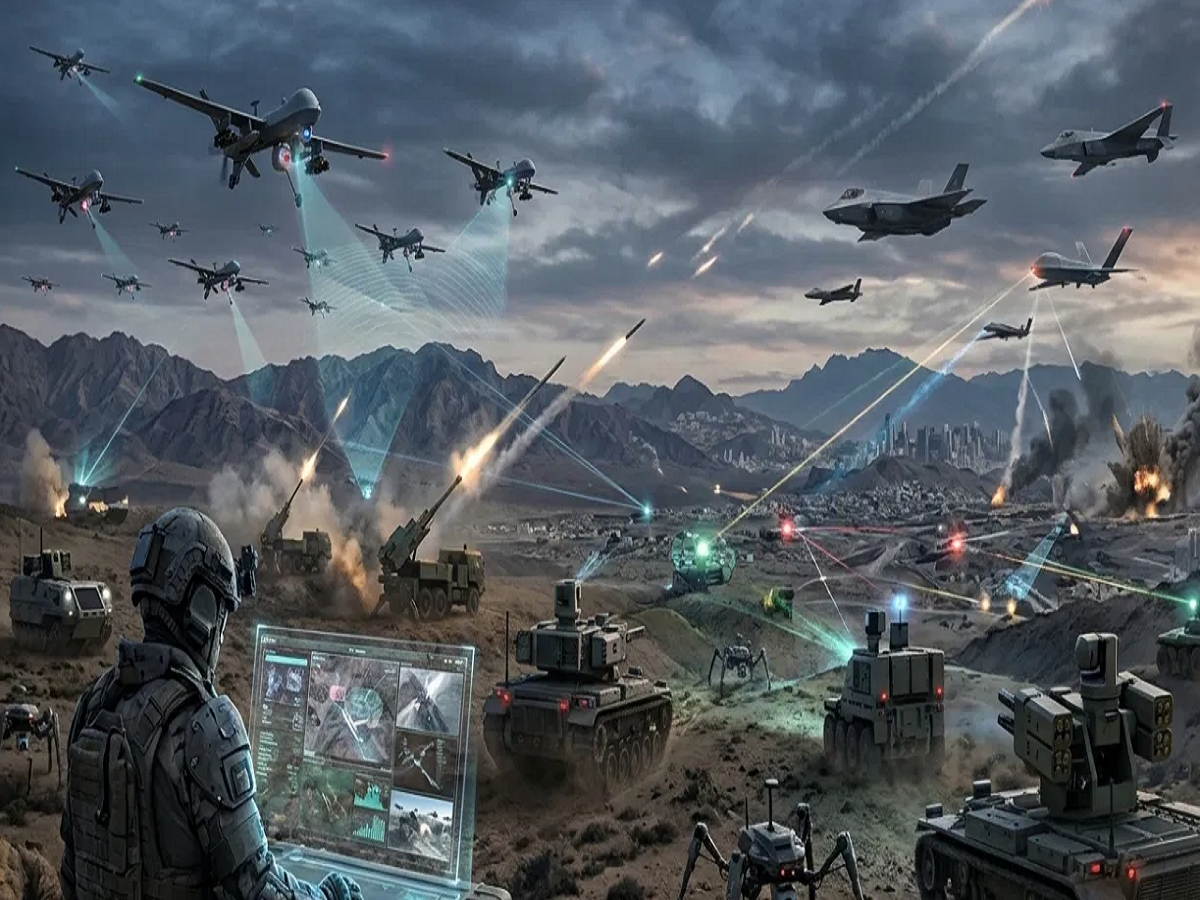
In a decisive move to modernize its defense infrastructure, the United States Department of Defense (DoD) has finalized sweeping artificial intelligence partnerships with the world’s leading technology giants. By integrating cutting-edge tech from Nvidia, Microsoft, Amazon, Oracle, and Reflection AI, the Pentagon aims to transition the U.S. military into a fully "AI-first fighting force."
This escalation in tech-integration signals that the U.S. considers artificial intelligence a mechanical necessity for future national security and high-stakes war preparations.
AI Access to Ultra-Classified Networks
The most significant aspect of these new contracts is the authorization for these companies to deploy AI tools within Impact Level 6 (IL6) and Impact Level 7 (IL7) environments. These are America’s most secure and confidential military networks.
-
Sensitive Data: These networks house classified intelligence and top-secret military operations.
-
Direct Integration: For the first time, commercial AI services will operate directly within these secure "air-gapped" or highly shielded systems.
-
National Security Priority: The DoD maintains that maintaining a technological lead in AI is vital to counteracting global threats and ensuring battlefield superiority.
From Intelligence Analysis to the Battlefield
The scope of this agreement extends far beyond administrative tasks. The Pentagon intends to utilize AI for complex, high-pressure military functions:
-
Rapid Decision-Making: Using algorithms to process combat data in milliseconds to aid commanders.
-
Real-Time Situational Awareness: Analyzing live feeds and sensor data to provide a clearer picture of active battlefields.
-
Covert Operations: According to industry reports, the government will have significant latitude to apply these AI tools in secret military missions.
-
Limits on Control: Crucially, the agreement mandates that while AI cannot be used for domestic mass surveillance, the tech companies involved cannot restrict how the government utilizes the software for defense purposes.
Ethical Concerns and Global Competition
The growing alliance between Silicon Valley and the Pentagon—which now includes SpaceX, Google, and OpenAI—has sparked intense international debate. Experts have raised several red flags regarding this "AI-first" trajectory:
-
Life-and-Death Decisions: Many worry about the risks of delegating lethal decision-making to algorithms that can make errors or be "hallucinated" into false conclusions.
-
Over-Reliance: There is a concern that human operators may develop "automation bias," trusting machine suggestions even when their own intuition or eyes suggest otherwise.
-
The Arms Race: This move is seen as a major escalation in the global AI arms race, potentially forcing other nations to accelerate their own autonomous military programs.
As the U.S. military prepares for the next generation of warfare, the balance between technological advantage and ethical safety remains a central challenge for policymakers and tech leaders alike.