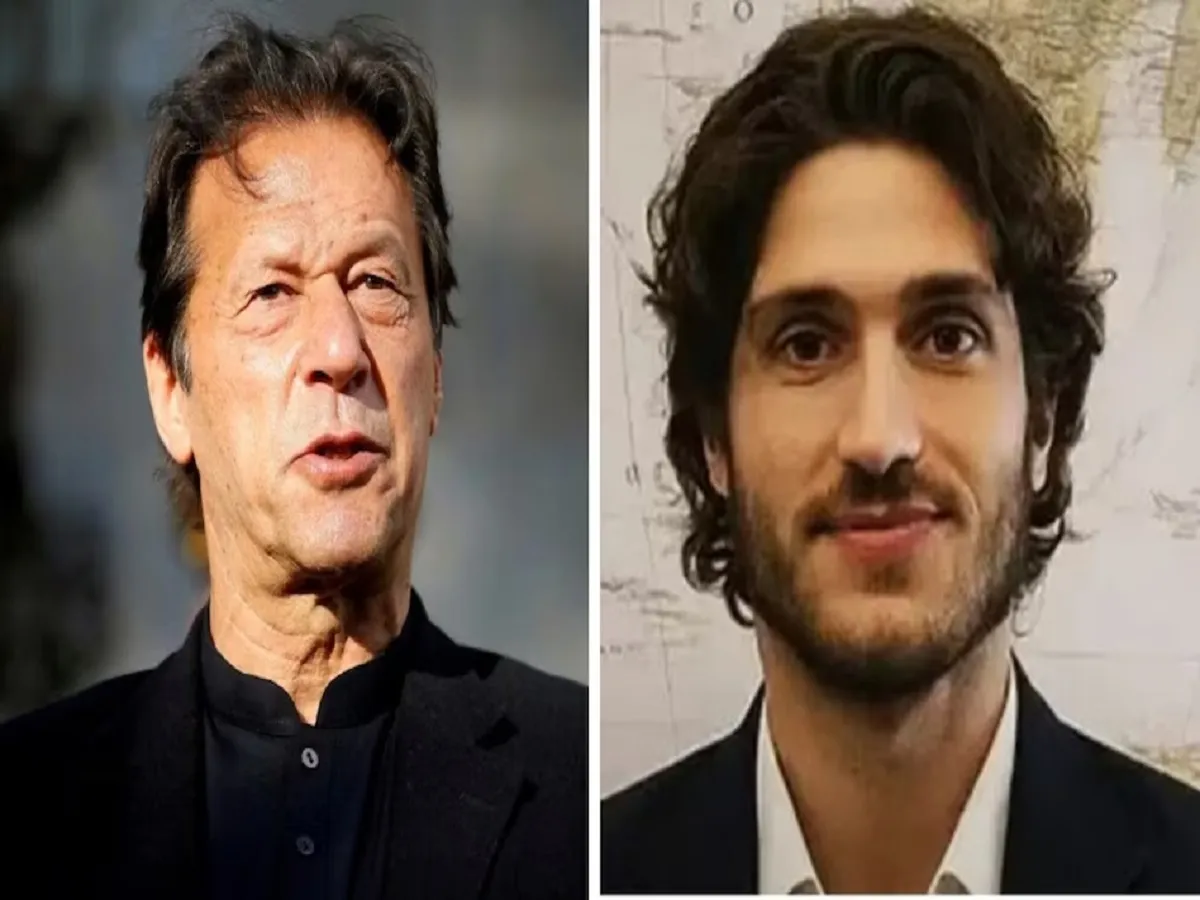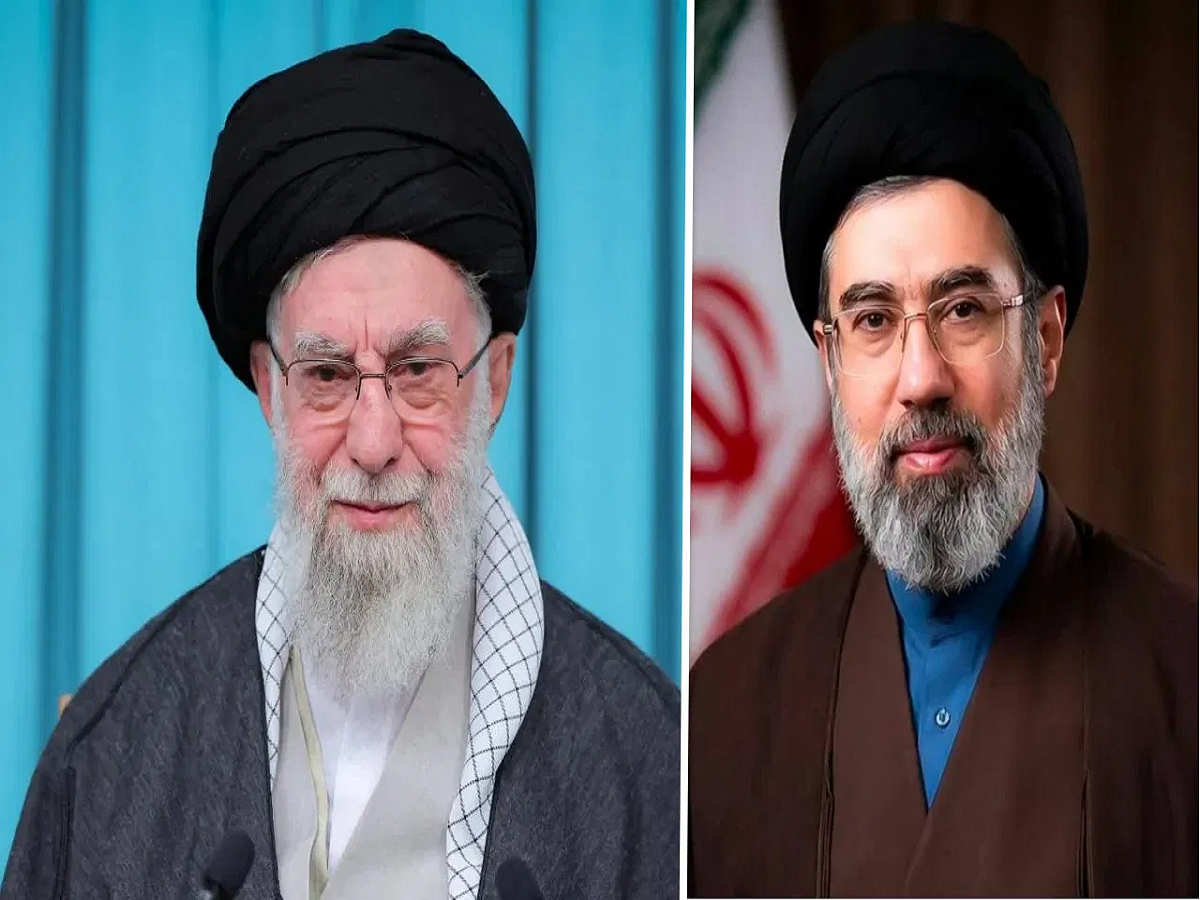
Following the reported death of Ali Khamenei, Iran has named Mojtaba Khamenei as the country’s new Supreme Leader, marking a historic moment in the Islamic Republic’s leadership structure. The move has drawn significant attention because it effectively transfers the powerful position within the same family—something that had not previously happened in Iran’s political system.
Observers have also raised questions about why Mostafa Khamenei, the elder son of Ali Khamenei, was not considered for the role.
Key Reasons Behind Mojtaba’s Selection
1. Strong Links with Security and Military Establishment
One of the major factors behind Mojtaba Khamenei’s selection is his close association with the Islamic Revolutionary Guard Corps (IRGC).
He reportedly received military training and served during the Iran–Iraq War, giving him operational and strategic experience.
His connections within Iran’s security establishment—including ties with senior commanders—are seen as critical in maintaining the stability of the Islamic Republic.
2. Political Influence Inside the Supreme Leader’s Office
For many years, Mojtaba Khamenei worked inside the office of Ali Khamenei, gradually becoming one of the most influential figures behind the scenes.
Until 2021, he was believed to be informally supervising key operations within the Supreme Leader’s office, and later reportedly took on a more formal coordination role between various state institutions and the leadership.
This administrative experience positioned him as a natural successor within the power structure.
3. Reputation as a Hardline Figure
Mojtaba Khamenei is widely regarded as a hardline conservative, similar to his father. Analysts say he played a role in supporting the state’s response to major protests, including those in 2009 and 2022.
His ideological alignment with Iran’s conservative leadership and security apparatus likely strengthened his candidacy.
Why Mostafa Khamenei Was Overlooked
Unlike Mojtaba, Mostafa Khamenei has largely focused on religious scholarship rather than political or military roles.
He has served as an imam and has been involved in managing religious institutions, including a madrasa.
Because the position of Supreme Leader requires not only religious authority but also political leadership and control over the military and security apparatus, analysts believe Mojtaba’s background made him a more suitable candidate.
A Historic Transition
If confirmed as Iran’s third Supreme Leader, Mojtaba Khamenei’s appointment would represent a rare hereditary-style transition within the Islamic Republic, a system that was originally designed to avoid dynastic succession after the **Iranian Revolution of 1979.
The decision has therefore sparked significant debate among political observers about the future direction of Iran’s leadership and governance.