LIFESTYLE
Winter Plant Care Tips: Why Money Plant and Tulsi Wilt in Cold Weather and How to Keep Them Healthy
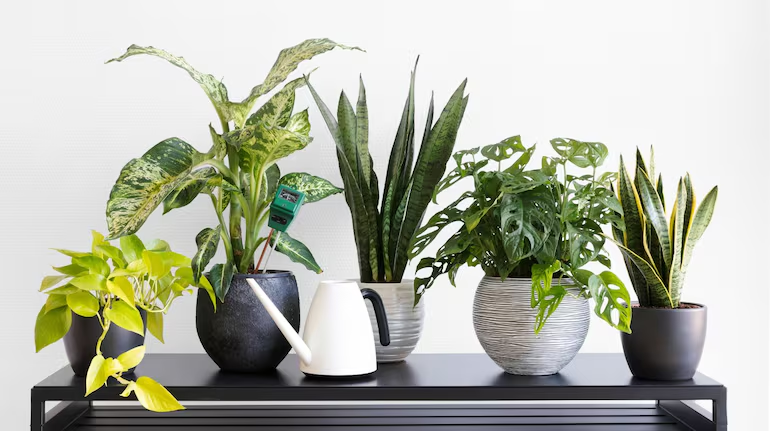
As winter sets in, not only do human routines change, but plants also go through a significant seasonal shift. Popular household plants like the money plant and tulsi (holy basil) often start looking dull, weak, or wilted during colder months. Many plant owners assume this happens only because of low temperatures, but experts say the real reasons are linked to changes in watering habits, sunlight exposure, and plant placement during winter.
Understanding these factors can help you avoid common mistakes and keep your indoor and balcony plants fresh and healthy throughout the season.
How Winter Affects Plant Growth
During winter, plant growth naturally slows down. The reduced temperature affects root activity, and soil takes much longer to dry. At the same time, daylight hours become shorter, limiting the amount of sunlight plants receive. These changes mean that plants need less water and nutrients compared to summer or monsoon seasons.
However, many people continue following the same watering routine, which often leads to problems. Some reduce watering too much out of fear of cold, while others overwater to “protect” plants from dryness. Both approaches can harm plants like money plant and tulsi.
Why Overwatering Is Harmful in Winter
One of the biggest mistakes during winter plant care is excessive watering. Since soil remains moist for longer periods, frequent watering causes water to accumulate around the roots. This blocks oxygen flow, leading to root rot—a condition where roots begin to decay and lose their ability to absorb nutrients.
In potted plants, the risk is even higher because limited space restricts drainage. Prolonged moisture can also trigger fungal infections, which spread quickly in cold and damp conditions. As a result, plants may suddenly droop, develop yellow leaves, or stop growing altogether.
Is Warm Water Safe for Plants in Winter?
Many people believe that giving warm water to plants during winter helps protect them from cold. However, experts warn against this practice. Pouring warm or hot water directly onto plant roots can shock or burn them, causing damage that slows down growth.
The safest option is to use water at room temperature. If the water feels too cold, store it in a bucket or bottle indoors for some time before use. This allows the water to reach a neutral temperature that is gentle on plant roots.
Best Time to Water Plants in Winter
Timing plays a crucial role in winter plant care. Watering early in the morning or late at night is not recommended, as temperatures are at their lowest during these hours. Cold soil combined with moisture increases the risk of root damage.
The ideal time to water plants in winter is during the afternoon. At this time, mild sunlight helps the soil absorb water efficiently, and excess moisture dries faster. This reduces the chances of fungal growth and keeps roots healthy.
How Much Water Do Plants Need?
There is no one-size-fits-all rule for watering in winter. Each plant has different requirements based on size, pot type, and location. The simplest method is to check the soil. Water only when the top layer of soil feels dry to the touch.
In most cases, watering once or twice a week is sufficient during winter. Smaller pots dry out faster, while larger pots retain moisture for longer periods. Always ensure that excess water drains out properly.
Choosing the Right Spot for Plants
Keeping plants indoors all the time to protect them from cold may not always be the best solution. Plants need fresh air and sunlight to stay healthy. A shaded balcony or terrace with indirect sunlight is often ideal.
During extremely cold nights, lightly covering plants can help protect them from frost. However, avoid placing them in dark, closed spaces for long periods, as lack of light can weaken them further.
Additional Tips to Keep Plants Healthy in Winter
-
Use fertilizers sparingly, as plant growth slows down in cold weather.
-
Remove dry or damaged leaves regularly to prevent fungal infections.
-
Ensure pots have proper drainage holes and no water stagnation.
-
Avoid excessive misting, as leaves take longer to dry in winter and may develop fungus.
Final Takeaway
Wilting money plants and tulsi during winter are usually the result of care-related mistakes rather than the cold alone. Overwatering, improper timing, lack of sunlight, and incorrect placement are the most common reasons behind unhealthy plants.
By adjusting watering habits, using room-temperature water, choosing the right time of day, and ensuring proper airflow and sunlight, you can easily keep your plants green and thriving throughout winter. A few mindful changes in routine can make a noticeable difference in plant health during the colder months.