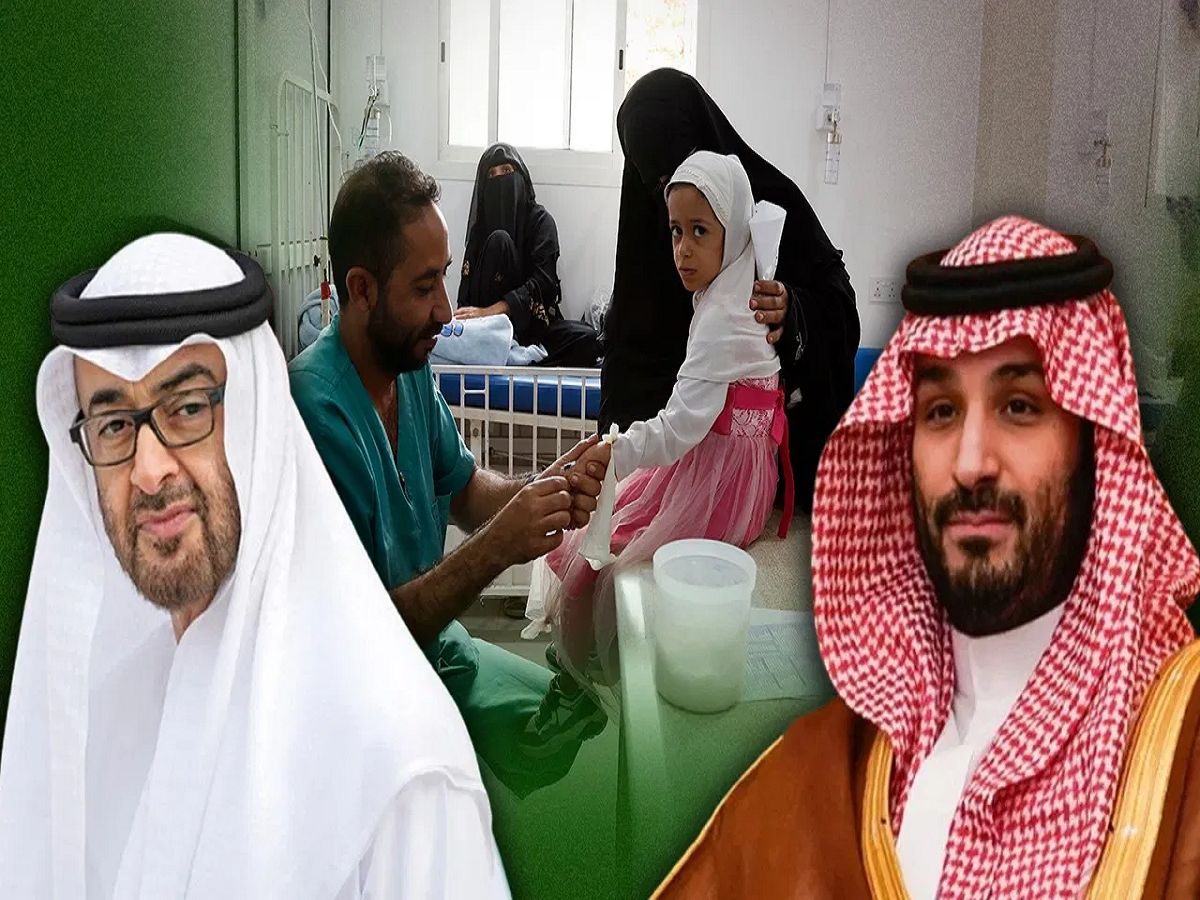
Yemen’s war-ravaged civilian population is facing a fresh humanitarian crisis after the United Arab Emirates (UAE) abruptly suspended aid to several key hospitals following its military withdrawal from the country. The move has left thousands of vulnerable patients without access to critical medical care.
According to a report by Middle East Eye, the suspension of UAE-funded humanitarian assistance has hit poor patients the hardest. Hospitals that once provided free or low-cost treatment are now unable to offer specialized care, dialysis, heart treatment, or complex surgeries, forcing many patients to abandon treatment midway.
Aid Halted After Military Withdrawal
Earlier this month, the UAE officially ended its military presence in Yemen. The decision followed setbacks faced by southern separatist groups backed by Abu Dhabi, who were pushed back by the Saudi-supported Yemeni government. Soon after the withdrawal, the UAE also stopped funding several long-running humanitarian projects, including hospitals it had supported for years.
This came at a critical time for Yemen, where nearly a decade of conflict has devastated the public healthcare system. UAE-backed hospitals had become a vital lifeline, especially for low-income families who could not afford private healthcare.
Hospitals Open, But Services Crippled
Health facilities such as Mokha Hospital and Shabwa Hospital, built or supported by the UAE, remain operational in name but are struggling to function fully. Specialist doctors have stopped working after the UAE abruptly terminated contracts with foreign medical service providers.
As a result, patients requiring kidney transplants, cardiac care, or advanced surgeries are left waiting indefinitely. With private hospitals charging fees far beyond the reach of ordinary Yemenis, many patients now have nowhere to turn.
Public Anger and Political Fallout
The sudden withdrawal of aid has sparked anger and frustration across parts of Yemen. Many locals believe UAE humanitarian support was closely tied to its military and political interests, ending as soon as its troops withdrew.
Experts argue that the UAE could have continued hospital funding temporarily until another donor stepped in. Instead, the abrupt halt has deepened mistrust and worsened an already fragile healthcare situation.
Patients Pay the Highest Price
The biggest victims of this decision are poor patients from remote areas who relied entirely on these hospitals for treatment. Many are now being forced to return home without completing life-saving care.
While Saudi Arabia has pledged to step in with support, analysts say the damage has already been done. Restoring confidence in Yemen’s healthcare system will take time. The episode has also reignited debate over whether humanitarian aid should ever be used as leverage in conflict zones.