For years, laptop and smartphone manufacturers have competed to deliver faster processors, brighter displays and thinner designs. Yet one challenge continues to frustrate users: battery life.
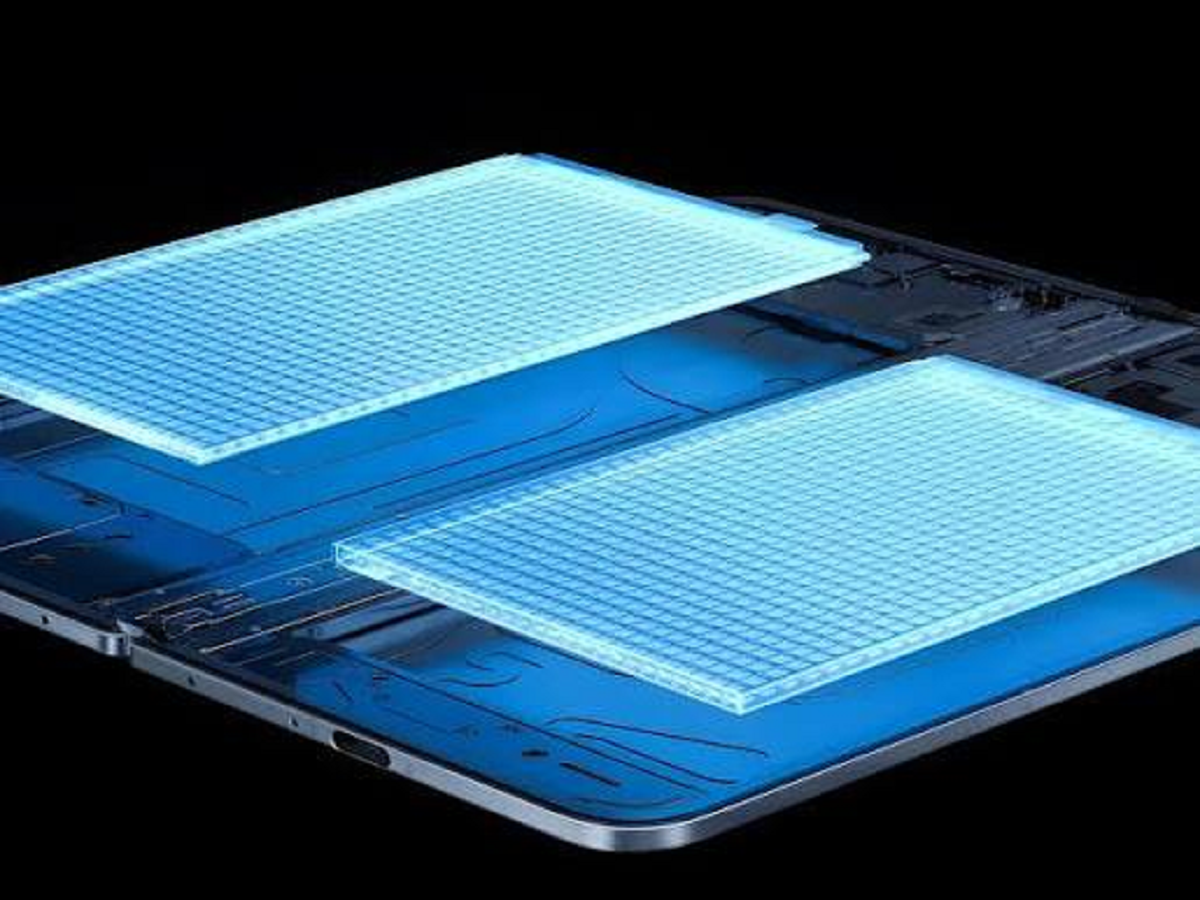
Now, a battery technology known as silicon-carbon is attracting attention because it could help manufacturers store more energy in compact devices. The technology is already appearing in some smartphones, and its underlying principles could influence the future of portable electronics.
But how does it work, and could it eventually make frequent charging a thing of the past?
What Is a Silicon-Carbon Battery?
Most modern smartphones, laptops and tablets use lithium-ion batteries. These batteries typically rely on graphite as the main material in their anodes, one of the electrodes responsible for storing and releasing energy.
Silicon can store considerably more lithium than graphite by weight. This makes it an attractive material for increasing a battery's energy-storage capacity.
The challenge is that silicon expands significantly as it absorbs lithium during charging. Repeated expansion and contraction can damage the battery's structure and reduce its lifespan.
Silicon-carbon technology combines silicon with carbon-based materials to help manage these problems. Depending on the design, manufacturers can use the material to increase energy density while working to maintain durability and charging performance.
Why Is This Technology Becoming Important?
The demand for better batteries is growing rapidly. Smartphones are running more demanding applications, laptops are becoming thinner, and artificial intelligence features are increasing the need for efficient computing.
Manufacturers face a difficult trade-off: make devices thinner, increase battery capacity, or improve performance without increasing power consumption.
Higher-energy-density battery materials could help address this challenge.
For example, a manufacturer might use the same amount of internal space to provide a larger battery. Alternatively, it could retain a similar battery capacity while making the device thinner or lighter.
The actual improvement depends on the battery design, the device's power requirements and the space available inside the product.
Could Your Smartphone Last Two Days on One Charge?
Silicon-carbon batteries have helped some smartphone manufacturers pursue larger battery capacities without making their devices excessively thick.
However, a larger battery does not automatically guarantee two days of usage. Battery life also depends on screen brightness, processor efficiency, network conditions, gaming, 's expansion during charging can cause mechanical stress, material degradation and unwanted chemical reactions. Manufacturers therefore need to balance higher energy density with long-term stability.
Research into silicon structures, carbon composites, protective coatings and improved electrolytes is aimed at addressing these issues.
The goal is not merely to create a battery that lasts longer on the first day, but one that continues performing reliably after years of regular use.
Are Silicon-Carbon Batteries the Same as Solid-State Batteries?
No. Although both technologies are discussed as potential advances in battery design, they address different aspects of battery technology.
Silicon-carbon generally refers to an anode material approach used in lithium-ion battery designs. Solid-state batteries, by contrast, aim to use a solid electrolyte instead of the conventional liquid or gel electrolyte found in many lithium-ion batteries.
The two approaches are not mutually exclusive in every possible design, but they should not be treated as interchangeable technologies.
Silicon-carbon batteries are already being used commercially in some consumer electronics, while solid-state battery development faces its own manufacturing and scaling challenges.
Will This Technology Make Power Banks Obsolete?
Not anytime soon.
Even if future smartphones and laptops offer significantly better battery life, many users will still need backup power for travel, intensive workloads and extended periods away from electrical outlets.
Battery improvements may reduce how frequently people need power banks, but they will not eliminate the need for charging infrastructure.
The most immediate benefit is likely to be greater flexibility: longer usage between charges, potentially thinner devices, or more capacity without a substantial increase in weight.
What Should Consumers Look For?
When buying a smartphone or laptop, battery technology is only one part of the decision.
Consider these factors:
-
Battery capacity and independent battery-life tests.
-
Charging speed and compatibility with available chargers.
-
The manufacturer's stated battery-cycle life and warranty.
-
Processor efficiency and power-management features.
-
The cost and availability of battery replacement.
A device advertised with advanced battery materials may not outperform every competing product. Real-world testing remains important.
Conclusion
Silicon-carbon batteries illustrate how improvements in materials science can influence everyday technology. Instead of relying exclusively on larger batteries, manufacturers can explore ways to store more energy within the same physical space.
The technology still has challenges, particularly around durability, cost and consistent manufacturing. Nevertheless, it offers a practical route towards more energy-dense batteries for portable electronics.
The future of battery life will not depend on a single breakthrough. It will come from combining better materials, more efficient processors and smarter power management to help devices do more while needing fewer trips to the charger.