TECH
Your Next Smartphone May Not Need a SIM Card: How eSIM and iSIM Are Changing Mobile Connectivity
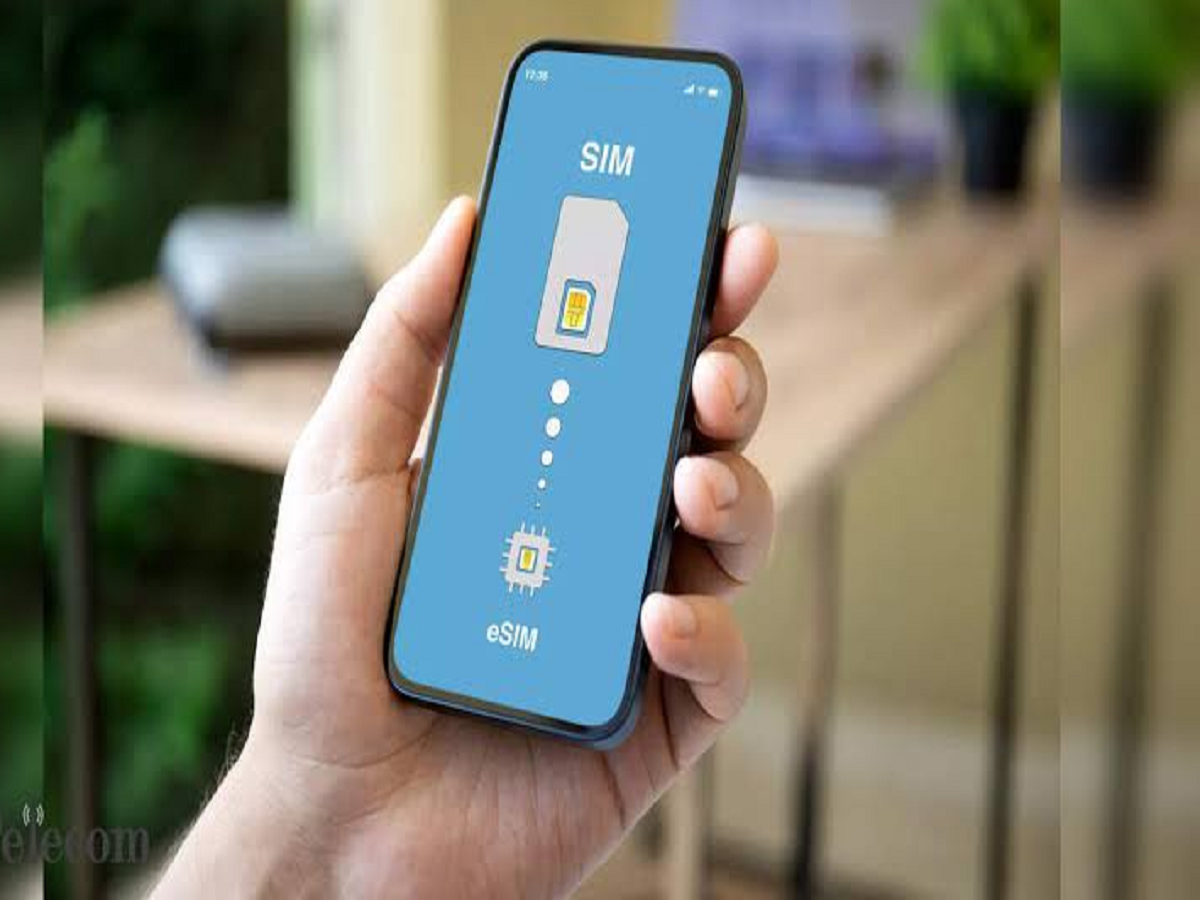
Remember when changing a mobile network meant opening the back of a phone, removing a tiny plastic SIM card and inserting another one?
That process is slowly becoming a thing of the past.
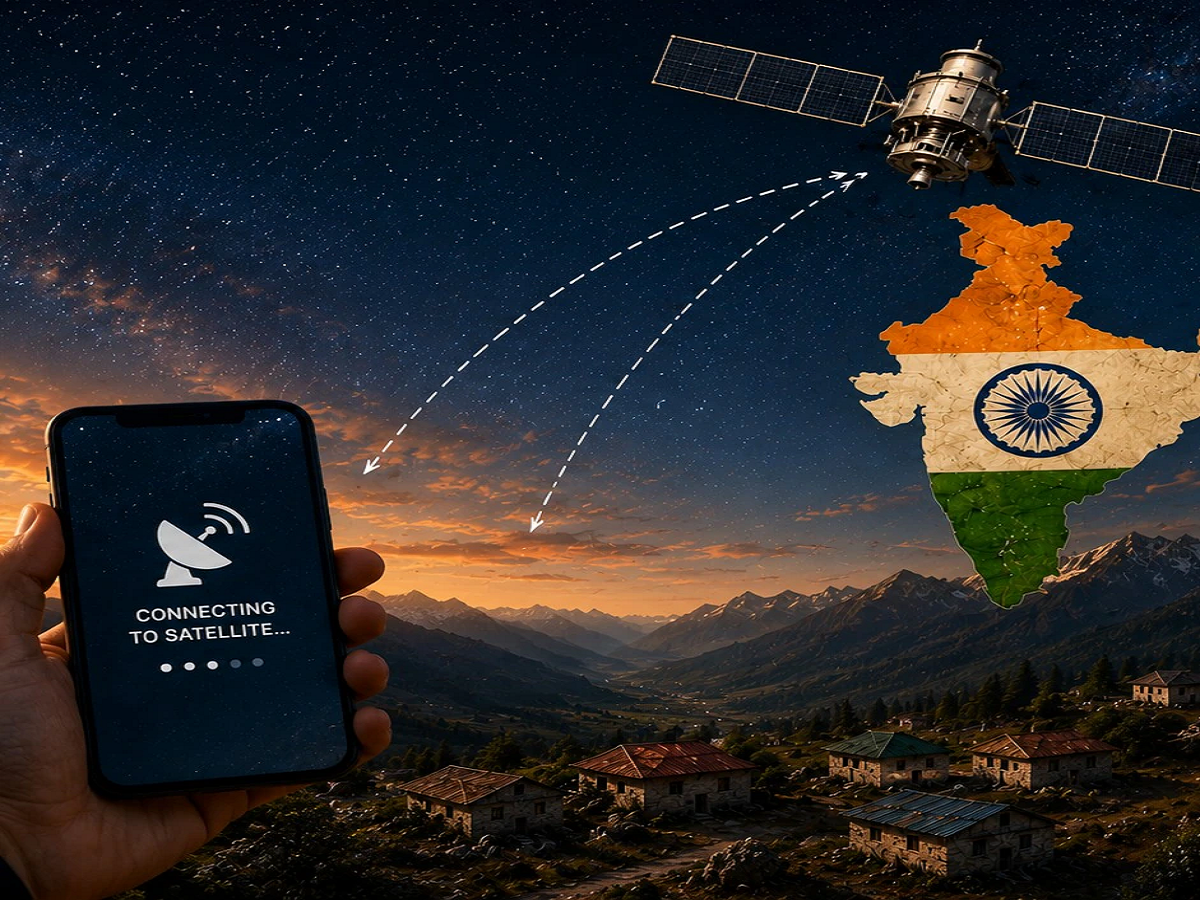
eSIM technology has already made its way into smartphones, smartwatches and tablets, and the next step could be iSIM, where the SIM functionality is built directly into the device's processor or secure hardware.
The result could be a future where switching networks no longer requires a physical card at all.
What exactly is an eSIM?
An eSIM is an electronic SIM built into a device.
Unlike a traditional SIM card, it cannot simply be removed from the phone. Instead, the mobile network profile is downloaded and activated digitally.
For users, this can make changing operators or adding another mobile plan considerably more convenient.
It can also free up physical space inside increasingly slim smartphones.
Why are phone companies moving toward eSIM?
One major reason is flexibility.
Without a physical SIM tray, manufacturers have more freedom when designing the internal layout of a smartphone. The space can potentially be used for other components or simply help manufacturers make devices more compact.
Removing the SIM tray can also eliminate one small opening through which dust or water could potentially enter.
For consumers, eSIM can make international travel easier as well. Depending on the country and operator, travellers can purchase a compatible local or travel eSIM and activate it without physically replacing their primary SIM.
Then what is iSIM?
iSIM takes the concept a step further.
With an eSIM, the SIM functionality exists as a separate embedded component inside the device. With iSIM, the SIM functionality can be integrated directly into the device's system-on-chip.
In simple terms, part of what traditionally required a separate SIM component can become part of the phone's main processor platform.
This could potentially save space, reduce hardware complexity and make cellular connectivity easier to integrate into smaller connected devices.
Could iSIM make smaller devices more powerful?
This is where the technology becomes particularly interesting.
Smartphones are not the only devices that require cellular connectivity. Smartwatches, fitness trackers, connected cars, industrial sensors and other IoT devices can also use mobile networks.
For tiny devices where space and battery capacity are limited, eliminating additional hardware could be particularly useful.
Instead of designing a device around a physical SIM or separate SIM component, manufacturers could integrate connectivity more deeply into the hardware.
Is the physical SIM disappearing immediately?
No.
Physical SIM cards are still widely used, and support for eSIM varies depending on the smartphone model, mobile operator and country.
Some devices support both physical SIM and eSIM, while others are moving toward eSIM-only configurations.
So consumers should always check their operator's eSIM support before buying a device that does not have a physical SIM slot.
What happens if you change phones?
With a physical SIM, you can generally remove the card and put it into another compatible phone.
eSIM transfers work differently. Depending on the operator and device, you may need to follow a digital transfer or activation process.
This is convenient when it works smoothly, but it also means that users need to understand their operator's procedure before resetting or selling an old phone.
The bigger change is happening beyond smartphones
The real significance of eSIM and iSIM may be their role in the connected-device ecosystem.
As more everyday objects gain cellular connectivity, manufacturers need a practical way to identify and connect those devices to mobile networks.
A built-in digital SIM could make this easier.
Your future car, smartwatch, tablet or even an industrial machine may therefore connect to a mobile network without ever having a visible SIM card.
The smartphone SIM tray could eventually become history
The physical SIM card has survived for decades, but mobile technology is moving toward a more software-driven approach to connectivity.
eSIM is already making the transition, while iSIM represents an even more integrated future.
For consumers, the biggest change may simply be this: one day, changing networks could feel less like changing a physical component and more like changing a setting on your phone.