Eating nutritious food is important, but when you eat can also influence your overall health. While breakfast and lunch are important, dinner timing deserves special attention.
If you regularly have dinner very late at night, especially close to bedtime, it may affect digestion, blood sugar regulation and your overall metabolic health. Here's what you should know about the potential risks of making late-night eating a regular habit.
Late-Night Eating May Affect Blood Sugar
Research has explored the relationship between meal timing and metabolic health, including the risk of type 2 diabetes.
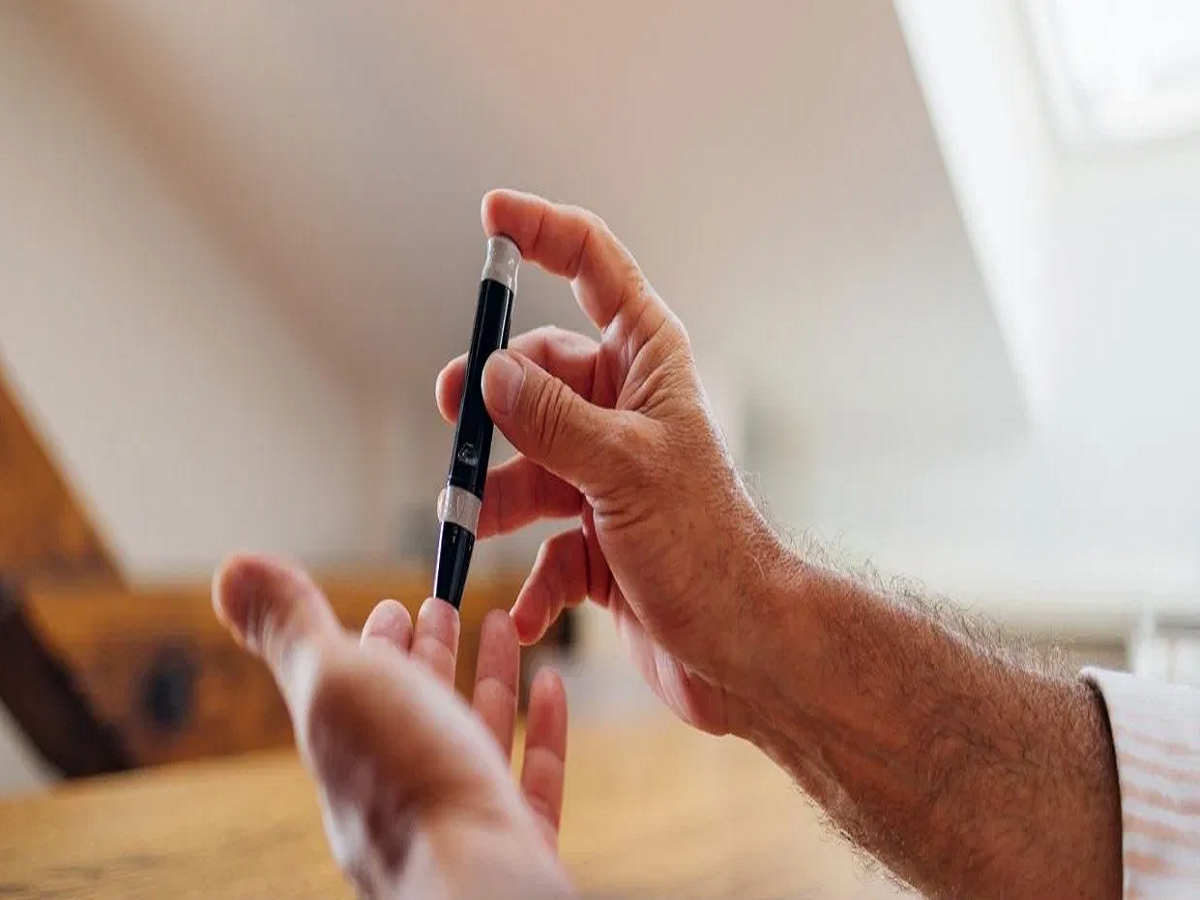
One analysis using data from the U.S. National Health and Nutrition Examination Survey examined more than 41,000 participants over several years. The findings suggested an association between very late or frequent nighttime eating and a higher risk of death from diabetes.
However, this type of research shows an association rather than proving that eating dinner late directly causes diabetes. Other factors, including diet, physical activity, sleep and overall lifestyle, can also influence the risk.
Why Eating Close to Bedtime Can Be Uncomfortable
Having a heavy meal immediately before going to bed can leave you feeling full, bloated or uncomfortable. For some people, lying down soon after eating can also worsen symptoms of acid reflux or heartburn.
Giving your body some time between dinner and bedtime may therefore be more comfortable, particularly if you are prone to digestive problems.
What Is a Better Time for Dinner?
There is no single dinner time that works for everyone. Your ideal meal timing depends on your work schedule, sleep routine and overall lifestyle.
As a general approach, try to finish dinner a couple of hours before going to bed rather than eating immediately before sleeping. If your schedule allows, having dinner during the early evening can make this easier.
Choose a Balanced Dinner
The quality of your dinner matters just as much as its timing. Instead of relying heavily on refined carbohydrates, sugary foods or heavily processed snacks, include a combination of protein, vegetables, whole grains or other high-fibre foods according to your dietary needs.
A balanced meal can help you stay satisfied without feeling excessively heavy before bedtime.
Take a Short Walk After Dinner
A gentle walk after your evening meal can be a simple way to stay active. Even a short 10-minute walk may be easier to maintain than an intense workout late at night.
The key is consistency rather than exercising immediately after a heavy meal.
Don't Let 11 PM Become a Daily Dinner Time
Occasionally eating dinner late because of work, travel or social commitments is unlikely to be the same as making very late-night eating a daily habit.
Instead of focusing only on a fixed clock time, build a routine that allows you to eat a balanced dinner, finish it comfortably before bedtime and maintain regular sleep and activity patterns.
A healthy lifestyle is not just about what you eat—it is also about maintaining consistent eating, sleeping and activity habits.