BUSINESS
Government Extends Social Security Pension Scheme Until 2031: What Senior Citizens, Widows and Persons with Disabilities Should Know
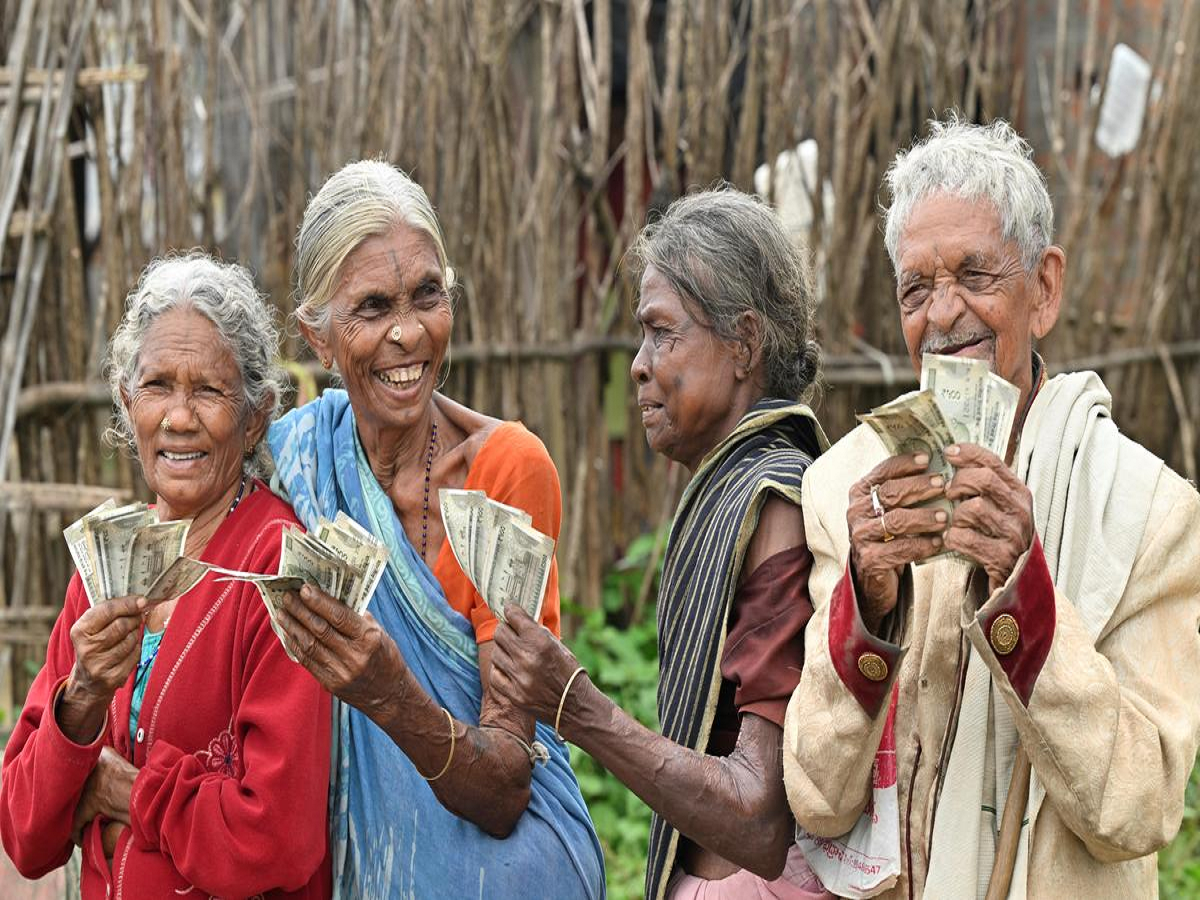
The Government of India has approved the continuation of the National Social Assistance Programme (NSAP) for five years, from 2026–27 to 2030–31, with a total outlay of ₹53,428 crore. The decision, announced on October 14, 2026, also includes changes to the programme's name and revisions to eligibility criteria, coverage and financial assistance for persons with disabilities.
The programme is an important part of India's social security framework, providing financial assistance to eligible vulnerable individuals and families. For beneficiaries and their families, understanding how these pensions work and where to check official information can help prevent missed payments and application-related difficulties.
What Is the National Social Assistance Programme?
The National Social Assistance Programme is a centrally sponsored welfare programme administered by the Ministry of Rural Development. It provides social assistance to eligible people who meet the requirements of its individual pension and family-benefit schemes.
Following the latest Cabinet approval, the programme is being renamed the Pradhan Mantri Samajik Sahayata Yojana. The Indira Gandhi National Old Age Pension Scheme is also being renamed the Pradhan Mantri Vridhavastha Pension Yojana.
The programme's continuation is intended to maintain social assistance for eligible beneficiaries over the next five years.
Who Can Benefit From the Programme?
The programme covers several categories of vulnerable individuals and families through its different components.
1. Senior Citizens
The old-age pension component provides financial assistance to eligible elderly people who meet the prescribed criteria.
Eligibility depends on factors such as age, household circumstances and the applicable scheme guidelines. Applicants should check the latest official requirements rather than assume that reaching a particular age automatically guarantees a pension.
2. Widows
The widow pension component provides assistance to eligible widowed women who satisfy the relevant conditions.
The applicable age limits, income requirements and other eligibility rules should be confirmed with the responsible state or local authority.
3. Persons With Disabilities
The latest Cabinet decision specifically includes revisions to eligibility criteria, coverage and the rate of assistance for persons with disabilities.
The precise benefit available to an individual will depend on the final applicable guidelines and the person's eligibility. Applicants should consult official government notifications for the revised conditions.
4. Families Facing the Death of a Primary Breadwinner
The programme also includes a family-benefit component intended to provide assistance to eligible households following the death of a primary breadwinner.
Families should contact the relevant local authority to confirm the qualifying circumstances, documentation requirements and application procedure.
What Has Changed in the Latest Government Decision?
The October 14, 2026, announcement contains three important developments:
-
Programme continuation: The NSAP will continue from 2026–27 to 2030–31.
-
Financial allocation: The approved total outlay for the five-year period is ₹53,428 crore.
-
Revised provisions: The programme and certain sub-schemes are being renamed, with changes to eligibility, coverage and assistance rates for persons with disabilities.
The Cabinet has also approved the continuation of the existing old-age and widow pension schemes and the family-benefit scheme in their existing form.
Beneficiaries should not assume that every pension amount has increased or that every applicant automatically qualifies. Individual entitlements depend on the applicable scheme rules and official implementation instructions.
How Can Eligible People Apply for a Pension?
The application process may differ by state and by the specific pension component.
People who wish to apply can generally begin by contacting their Gram Panchayat, municipal office, block development office or the relevant state social welfare department.
Applicants should ask for the current application form and eligibility checklist. Depending on the scheme and local requirements, documents may include:
-
Aadhaar or another accepted identity document.
-
Proof of age.
-
Proof of residence.
-
Bank account details for receiving payments.
-
Relevant supporting documents, such as a disability certificate or documents establishing widowhood, where required.
-
Income or other eligibility certificates, if applicable.
These are examples of commonly requested documents, not a universal checklist. The responsible authority should confirm the exact requirements before an application is submitted.
How to Check Pension Status and Avoid Fraud
Beneficiaries should use official government channels to check application progress, payment information and requests for document updates.
A few precautions can help protect pension payments:
-
Keep the application acknowledgement or reference number safely.
-
Ensure that bank account details are correct and that the account remains operational.
-
Respond to legitimate verification requests from authorised government departments.
-
Never disclose an OTP, PIN or banking password to someone claiming to release a pension.
-
Avoid paying unofficial agents who promise guaranteed approval or faster payments.
If a pension is delayed, contact the relevant department or local authority and request clarification about the payment status and any outstanding verification requirements.
Where Can You Find Official Information?
For reliable updates, applicants can begin with the Government of India's official National Portal at India.gov.in and the Ministry of Rural Development's official website.
The National Portal of India also provides access to information about government schemes and citizen services.
Before relying on any online article or social media post, verify the latest eligibility criteria, pension amounts and application procedures through the responsible government department.
Conclusion
The continuation of the National Social Assistance Programme until 2030–31 is an important development for India's social assistance system. With a proposed programme outlay of ₹53,428 crore, the government has approved continued support for eligible senior citizens, widows and other vulnerable groups, alongside revisions concerning persons with disabilities.
For citizens, the practical priority is to understand the rules applicable to their category, maintain accurate records and use official channels for applications and payment-related queries.
The latest announcement establishes the programme's continuation and outlines changes, but beneficiaries should consult the detailed implementation guidelines before making decisions based on specific pension amounts or eligibility conditions.