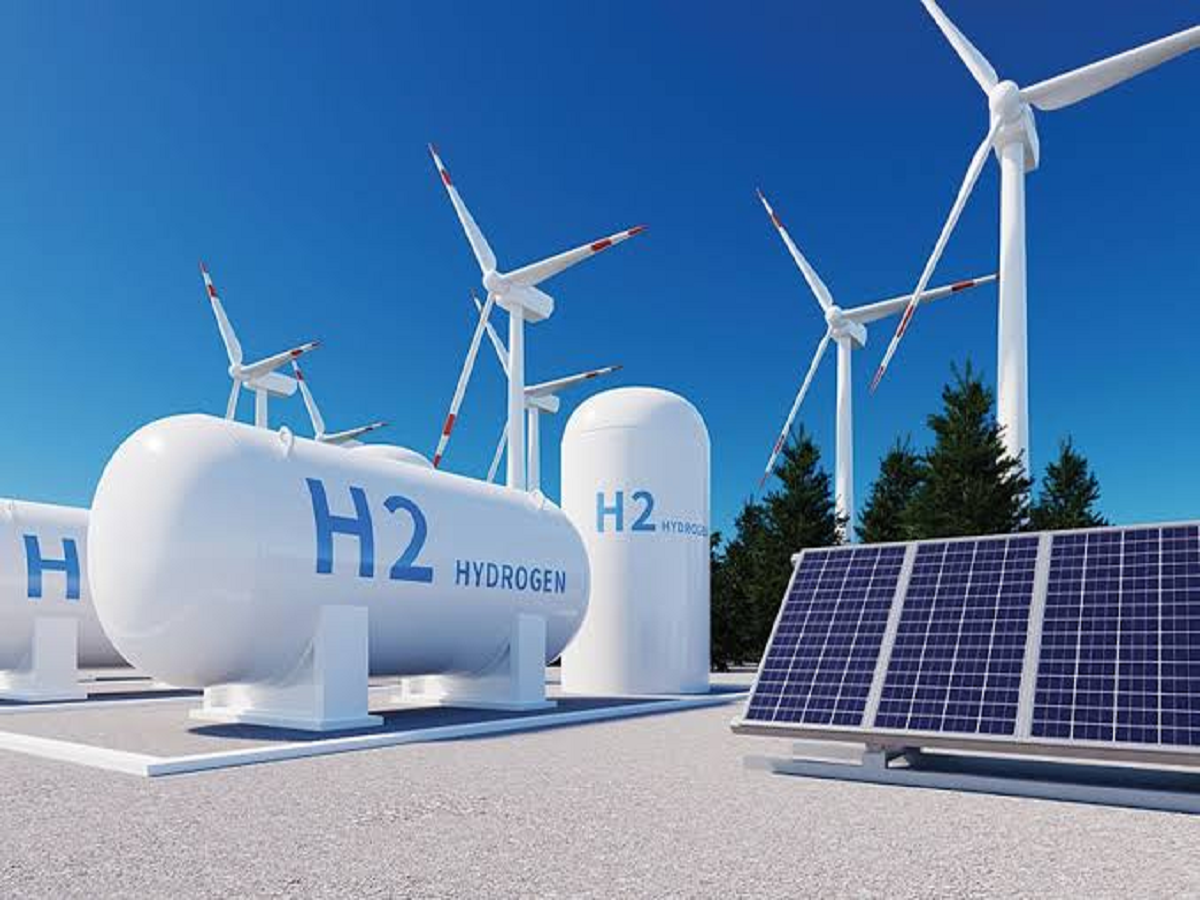
India is exploring new ways to reduce its dependence on fossil fuels while meeting the growing demand for electricity, transportation and industrial energy. Among the technologies attracting attention, green hydrogen has emerged as a promising alternative that could support the country's long-term clean energy ambitions.
Unlike conventional hydrogen, which is often produced using fossil fuels, green hydrogen is generated through the electrolysis of water using renewable electricity. This process separates water into hydrogen and oxygen without directly producing carbon dioxide during hydrogen production.
What exactly is green hydrogen?
Hydrogen is already used in several industries, including fertiliser manufacturing, petroleum refining and chemical production. However, the environmental impact depends largely on how it is produced.
Green hydrogen uses renewable energy, such as solar or wind power, to operate an electrolyser. The equipment separates water into hydrogen and oxygen, allowing the hydrogen to be stored and used as an energy source.
When hydrogen is used in a fuel cell, it can generate electricity, with water as the main by-product.
Why is India investing in green hydrogen?
India imports significant quantities of fossil fuels to meet its energy requirements. Developing domestic green hydrogen production could help diversify the country's energy sources and reduce exposure to international fuel price fluctuations.
The government launched the National Green Hydrogen Mission in January 2023 with an initial outlay of ₹19,744 crore. The mission aims to develop production capacity, encourage domestic manufacturing and create demand for green hydrogen and its derivatives.
The initiative also seeks to strengthen India's position in emerging clean energy industries.
Industries that could benefit from green hydrogen
Green hydrogen could be particularly useful in sectors where direct electrification is difficult.
Steel manufacturing: Hydrogen can potentially replace coal-based processes in certain methods of iron production, helping reduce industrial emissions.
Fertiliser production: Green hydrogen can be used to manufacture green ammonia, which is an important input for fertilisers.
Refineries: Petroleum refineries already consume hydrogen, creating an opportunity to gradually replace some conventionally produced hydrogen with cleaner alternatives.
Heavy transportation: Hydrogen-based fuel cells could support selected applications in long-distance transport and heavy-duty vehicles.
What are the biggest challenges?
Despite its potential, green hydrogen is still expensive to produce compared with many conventional alternatives.
Electrolysers require substantial investment, while renewable electricity must be available at competitive prices. Storage and transportation also present technical challenges because hydrogen has a low volumetric energy density.
Developing pipelines, storage facilities, safety standards and reliable distribution networks will require significant investment.
Another challenge is ensuring that hydrogen production genuinely delivers environmental benefits through the use of low-carbon electricity and responsible water management.
Can green hydrogen create new employment opportunities?
The development of a green hydrogen industry could generate demand for engineers, technicians, researchers and manufacturing professionals.
Opportunities may emerge in electrolyser production, renewable energy projects, hydrogen storage, transportation infrastructure and industrial engineering.
It could also encourage investment in domestic manufacturing and research, supporting India's broader clean technology ecosystem.
What lies ahead for India's hydrogen ambitions?
Green hydrogen is unlikely to replace conventional fuels across every sector immediately. Its adoption will depend on falling production costs, technological improvements and the development of supporting infrastructure.
However, industries such as steel, fertilisers and refining could become important starting points for large-scale adoption.
If India can make production more affordable and establish a reliable supply chain, green hydrogen could become a significant part of its energy transition and industrial development strategy.