TECH
Smart Glasses Are Becoming the Next Big Thing in Technology: How They Could Change Everyday Life
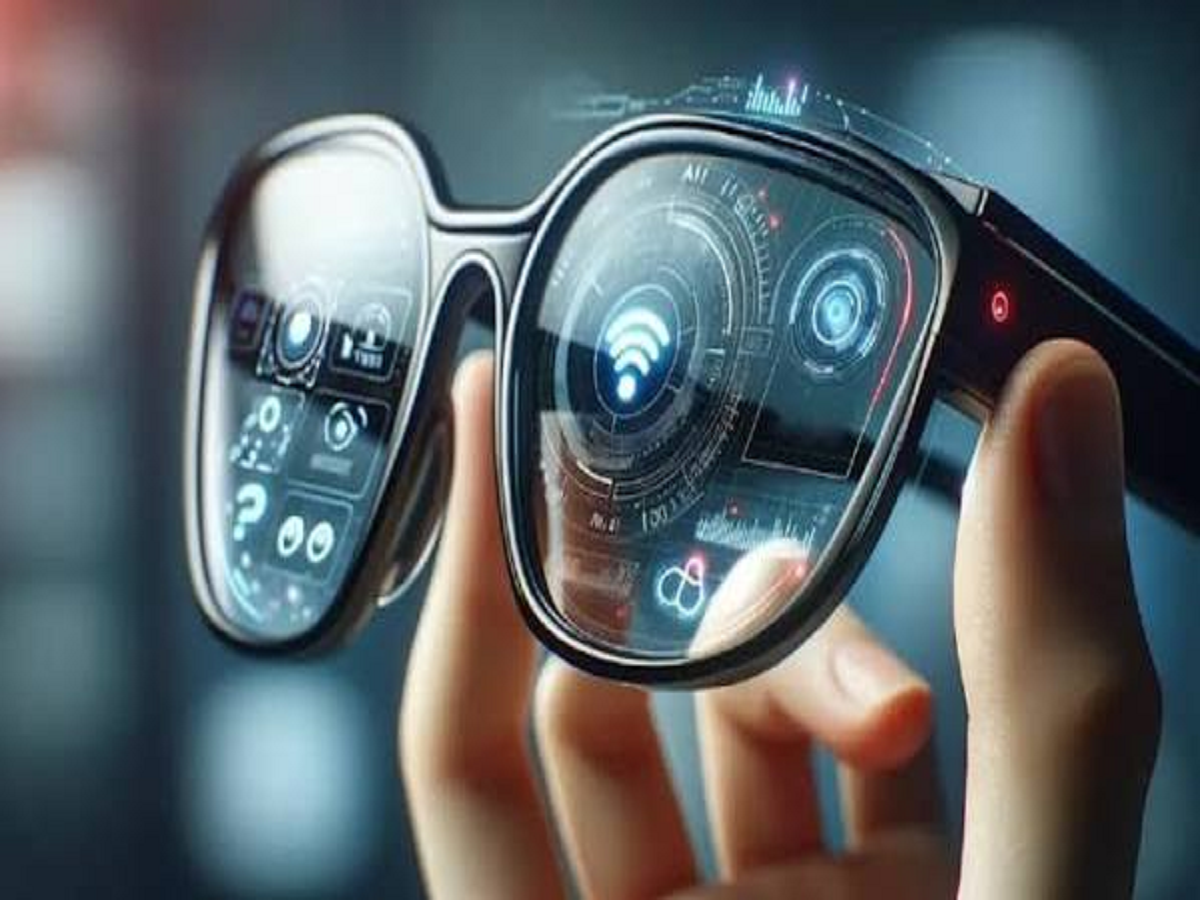
For years, smartphones have remained the centre of our digital lives. However, technology companies are now exploring a new way to interact with digital information without constantly looking at a screen. Smart glasses are emerging as a promising category of wearable technology that could change how people communicate, navigate, capture memories and access information.
Unlike traditional eyewear, smart glasses combine cameras, microphones, speakers, sensors and, in some models, augmented reality features. Their objective is to bring useful digital functions directly into the user's field of view.
What makes smart glasses different?
Smart glasses are designed to offer selected smartphone features through a wearable device. Depending on the model, users may be able to answer calls, listen to music, capture photographs, record videos and interact with voice assistants.
Some advanced models also feature displays that can show notifications, navigation instructions and other digital information.
The biggest difference is convenience. Instead of repeatedly taking out a smartphone, users can access certain functions while keeping their hands free.
Artificial intelligence is making them smarter
Artificial intelligence is becoming an important part of the smart glasses experience.
AI-powered features can help users understand their surroundings, translate conversations, identify objects and receive contextual information. Some devices can also respond to voice commands and assist with everyday tasks.
For travellers, this could mean getting navigation guidance or translation assistance without constantly checking a phone. Professionals could potentially use smart glasses to access instructions while working with equipment or performing practical tasks.
However, the availability of these features varies significantly between devices.
Could smart glasses replace smartphones?
Despite their growing capabilities, smart glasses are unlikely to replace smartphones completely in the immediate future.
Smartphones offer larger displays, extensive application support, advanced cameras and more powerful computing capabilities. Smart glasses currently face limitations involving battery life, processing power, display quality and comfort.
Instead, they are more likely to become complementary devices that handle specific tasks more conveniently.
Privacy concerns remain a major challenge
One of the biggest concerns surrounding smart glasses is their ability to record photographs and videos discreetly.
People nearby may not always realise that a recording is taking place. This raises questions about consent, personal privacy and responsible use in public spaces.
Manufacturers need to provide clear recording indicators, transparent privacy controls and safeguards against unauthorised data collection.
Users should also understand how their recordings and personal information are stored and processed.
What does the future hold?
Smart glasses could become more useful as batteries improve, devices become lighter and AI capabilities become more advanced.
Future generations may offer better augmented reality displays, more natural voice interactions and deeper integration with smartphones and other connected devices.
The technology is still developing, and widespread adoption will depend on affordability, practical usefulness and public acceptance.
Smart glasses may not replace the smartphone revolution overnight, but they could introduce a new way of interacting with technology—one where digital assistance becomes part of everyday life rather than something users constantly need to hold in their hands.