INTERNATIONAL
How Kim Jong Un Is Grooming His 12-Year-Old Daughter, Kim Ju-ae, for Dictatorship in North Korea
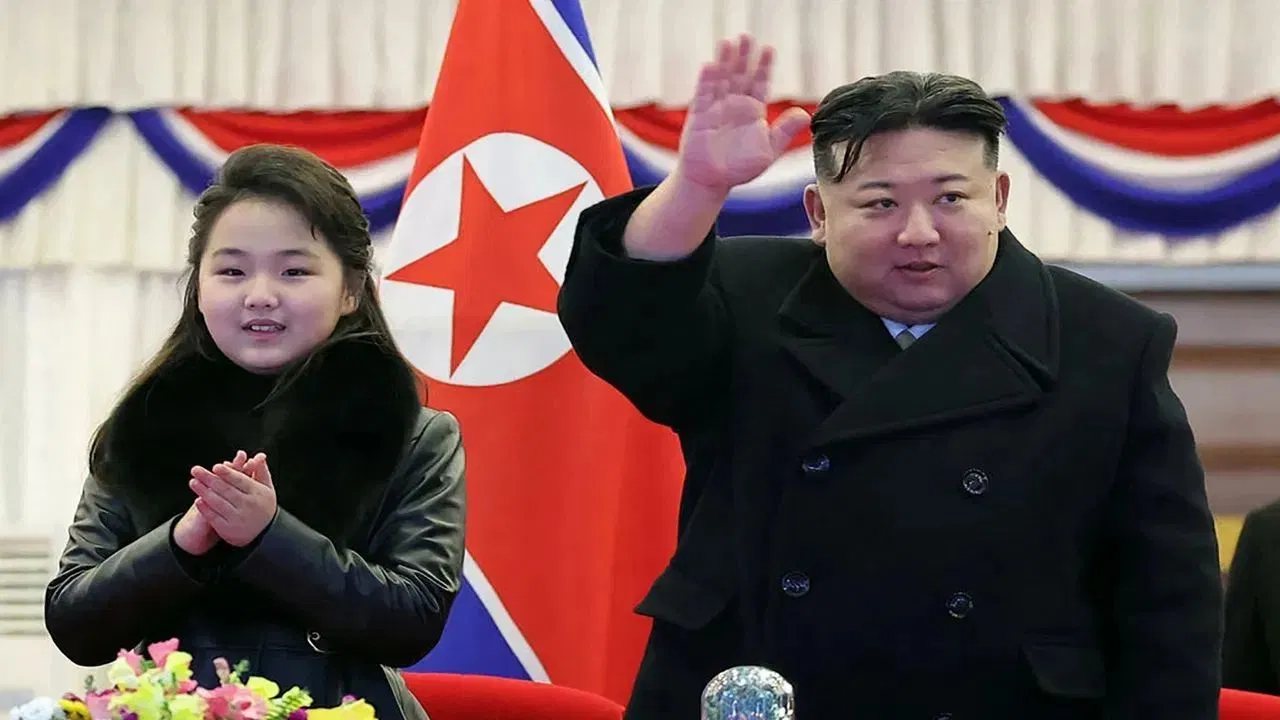
Kim Jong Un, North Korea’s leader, appears to be intentionally grooming his 12-year-old daughter, Kim Ju-ae, as his potential successor, signaling a new phase in the country’s dynastic leadership. Here’s a detailed look at the evidence and strategies behind this unprecedented move:
Step-by-Step Succession Training
-
First Public Introduction at a Strategic Event:
Kim Ju-ae was introduced to the world in November 2022 at a landmark intercontinental ballistic missile (ICBM) test. Since then, she has been repeatedly featured at high-profile military and state events, usually reserved for top officials. This mirrors how Kim Jong Un himself was groomed by his father, first establishing his authority within the military before anything else. -
Increasing Visibility and Symbolic Attire:
Over the past three years, Kim Ju-ae's public appearances have become more frequent and formal. Initially seen as a shy child, she now appears poised, wearing designer outfits and standing prominently beside her father—even outshining her mother and aunt (Kim Yo-jong) in state media. These carefully staged appearances serve to reinforce her stature as the new face of the Kim dynasty. -
Exposure to Military Leadership:
She is often seen touring missile factories, inspecting military facilities, and attending parades. Such encounters allow Ju-ae to interact directly with high-ranking generals and military officials, replicating the key power base her father cultivated before ascending to supreme leadership. Analysts note that, during recent parades, military generals have been observed kneeling before her—a ritual previously reserved for the supreme leader alone. -
Enforcing Loyalty from Top Brass:
Reports detail instances where top military figures publicly display deference to Kim Ju-ae, strengthening her legitimacy and authority within North Korean power circles. This tradition echoes how the regime has managed internal loyalty during previous transitions, positioning her as the next object of elite allegiance.
Why Start So Early?
-
Kim Family Health Concerns:
Speculation about succession has intensified due to Kim Jong Un’s health—he is overweight, a heavy smoker, and has a history of cardiac issues, the same problems that led to the deaths of his father and grandfather. Beginning succession training early is seen as a strategic move to avoid the last-minute uncertainty that plagued previous transitions.
Strategic and Psychological Reasons
-
Dynastic Stability and Monarchy-Like Imagery:
North Korean state media refers to Kim Ju-ae only as the “most beloved” or “respected” daughter, never by name, much like royal conventions. Her presence helps to reinforce the family’s lineage as a source of political legitimacy in a country that, while not officially a monarchy, functions like one. -
Sending a Message to Rivals:
Presenting a young, designated successor is intended to project internal stability and deter adversaries, particularly the U.S. and South Korea, from assuming imminent regime collapse or chaos after Kim Jong Un. It also blunts rivalries within North Korea’s own inner circle by clarifying succession lines early.
Limitations and Uncertainties
While Kim Ju-ae’s visibility and grooming are unprecedented, intelligence analysts caution that her future as North Korea's ruler is not set in stone. Succession plans in North Korea have often been kept secret until the very last moment, and her young age and lack of public voice mean her prospects could still change, especially in the patriarchal structure of the regime.
In summary, Kim Jong Un is deploying a calculated playbook: exposing his daughter to military power, formalizing her presence in state rituals, and soliciting elite loyalty, all while leveraging dynastic imagery to secure the Kim family's grip on North Korea’s future. The world is watching closely as Kim Ju-ae, still just a child, is positioned at the center of one of the world's most secretive—and dangerous—power transitions.