NATIONAL
July Monsoon Forecast: El Niño May Reduce Rainfall Across India, Raising Concerns Over Crop Output and Inflation
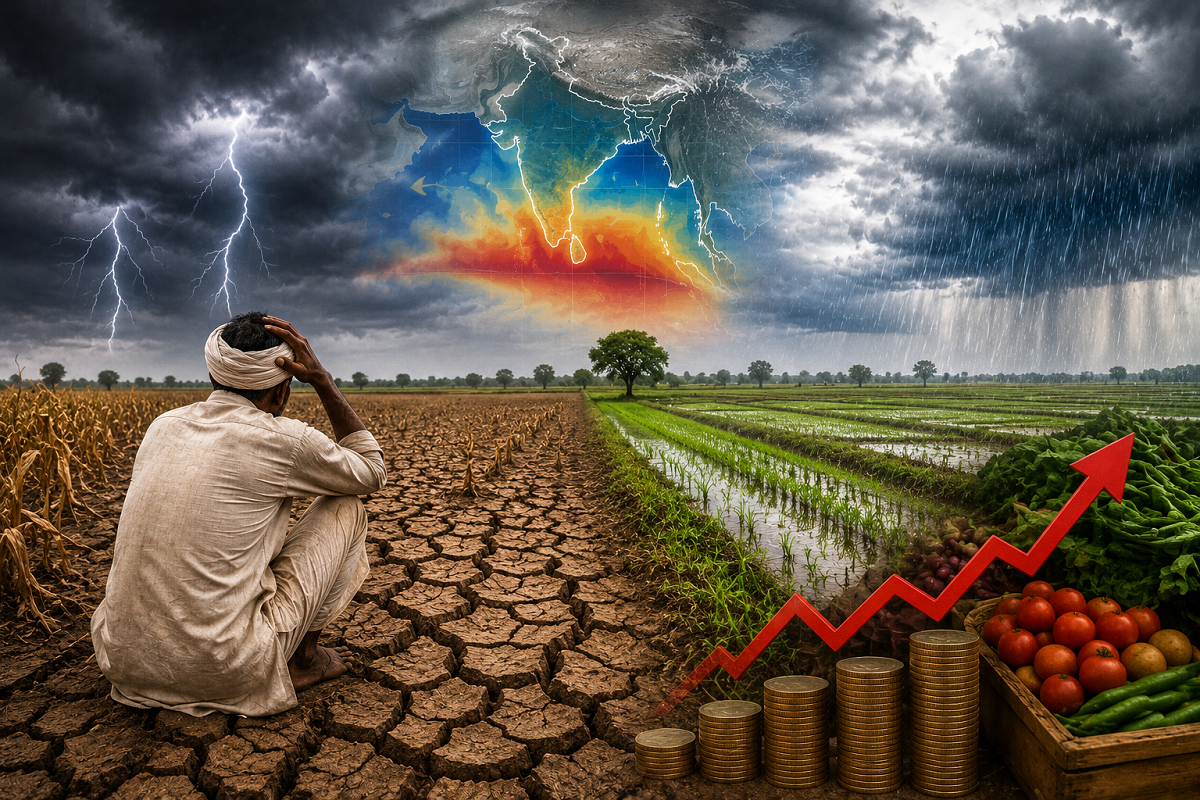
The India Meteorological Department (IMD) has released its monsoon outlook for July, indicating that several parts of the country could receive below-normal rainfall due to the influence of El Niño-like conditions. The forecast comes after an unusually dry June in many regions, increasing concerns about the impact on agriculture, water availability, and food prices.
Although the southwest monsoon continues to progress across India, meteorologists believe rainfall distribution during July may remain uneven. If the predicted rainfall deficit continues, experts warn that farming activities, particularly sowing operations for key kharif crops, could face challenges in several states.
IMD Forecast Indicates Weaker Rainfall in Many Regions
According to the latest seasonal outlook, the IMD expects rainfall during July to remain below the long-term average in many parts of the country. While some regions may continue to receive heavy showers, others could experience prolonged dry spells.
Meteorologists attribute this pattern partly to the evolving influence of El Niño, a climate phenomenon that can alter global weather systems and weaken monsoon activity over the Indian subcontinent.
The department continues to monitor atmospheric and oceanic conditions and will issue regular updates throughout the monsoon season.
June Dry Spell Raises Fresh Concerns
Several regions experienced lower-than-normal rainfall during June, affecting early agricultural activities. The reduced precipitation delayed sowing in some areas and increased dependence on irrigation.
If July also records below-average rainfall, farmers cultivating crops such as paddy, soybean, pulses, maize, and cotton could face additional challenges during the crucial planting season.
Agricultural experts note that timely rainfall during July is essential for healthy crop establishment and maintaining overall agricultural productivity.
Possible Impact on Food Prices
A prolonged rainfall deficit could influence agricultural output, potentially affecting the supply of vegetables, cereals, pulses, and other essential food items.
Lower production may contribute to higher market prices if supply becomes constrained. Economists often monitor monsoon performance closely because agriculture plays a significant role in India's food inflation.
However, the actual impact on prices will depend on rainfall distribution in the coming weeks, crop conditions, irrigation availability, and government policy measures.
Water Availability May Also Be Affected
Reduced rainfall could slow the replenishment of reservoirs, lakes, and groundwater sources in some regions. This may affect irrigation, drinking water supplies, and hydroelectric power generation if rainfall remains below normal for an extended period.
State governments and water management agencies typically monitor reservoir levels throughout the monsoon to plan water usage effectively.
What Is El Niño?
El Niño is a naturally occurring climate pattern associated with unusually warm sea surface temperatures in parts of the central and eastern Pacific Ocean. These temperature changes can influence atmospheric circulation around the world, including India's southwest monsoon.
Historically, some El Niño years have been associated with weaker monsoon rainfall in India, although the relationship is not identical every year, and several other weather factors also influence seasonal rainfall.
Farmers and Consumers Advised to Stay Updated
Agricultural experts recommend that farmers follow official weather advisories issued by IMD and local agricultural departments while planning sowing, irrigation, and crop management activities.
Consumers should also keep track of weather developments, as prolonged rainfall shortages could indirectly affect the prices of agricultural commodities in the coming months.
Outlook for the Coming Weeks
While the July forecast points to the possibility of below-normal rainfall across several regions, weather conditions can change during the season. Localized heavy rainfall events may still occur even during periods of overall rainfall deficiency.
The IMD will continue issuing updated forecasts and regional weather advisories as atmospheric conditions evolve. Until then, farmers, policymakers, and businesses connected to agriculture will be closely watching rainfall trends, given their importance for food production, rural incomes, and inflation.
A well-distributed monsoon remains critical for India's agricultural economy, making the progress of rainfall during July one of the most closely watched developments of the season.