TECH
One Day, Your AI May Have Its Own Memory: How Personal AI Is Changing the Way We Use Technology
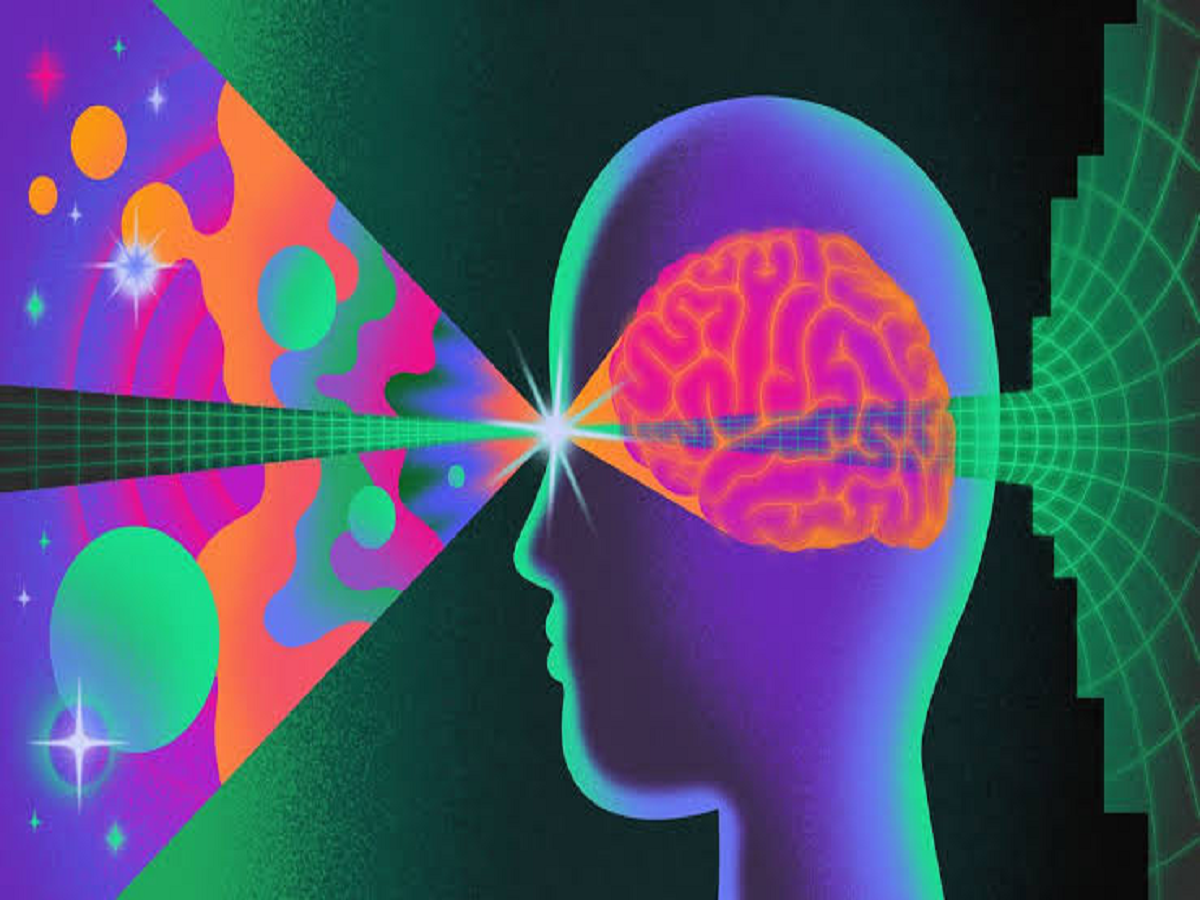
Artificial intelligence has become remarkably good at answering questions, creating images and writing content. But the next major evolution could be more personal.
Instead of an AI that simply responds to individual requests, imagine an assistant that remembers your preferences, understands your routines and learns how you work over time.
This concept is often described as “personal AI” — and it could fundamentally change our relationship with technology.
From answering questions to understanding context
Today's AI interactions often begin with a blank slate. You ask a question, receive an answer and move on.
A more personalised AI could understand context from previous interactions.
For example, if you regularly prepare financial reports, the system could learn your preferred format, terminology and workflow. The next time you ask it to prepare a report, it could automatically follow those preferences.
The technology would not simply answer a question. It would understand how you prefer the answer to be delivered.
AI could remember your digital life
Personal AI could potentially connect information from calendars, documents, emails, notes and other digital services.
Imagine asking:
“Where did I save the document I worked on last week?”
Instead of searching through folders manually, an AI could identify the relevant file based on your previous activity.
Similarly, you could ask an assistant to summarise what changed in a project since your last meeting and receive an answer based on relevant documents and communications.
Your AI could become a personal organiser
The next generation of AI assistants could also take a more active role in organising daily tasks.
Rather than simply reminding you about a meeting, an AI could potentially prepare relevant documents, summarise previous discussions and highlight important points before the meeting begins.
This could save people from spending time searching for information scattered across different applications.
But there is a huge privacy question
The more an AI remembers, the more personal information it potentially has access to.
Your preferences, work habits, conversations, documents and routines can reveal a surprisingly detailed picture of your life.
That makes privacy one of the biggest challenges for personal AI.
Users will need clear controls over what an AI can remember, what it can access and what information can be deleted permanently.
The future may be less about smarter AI and more about personal AI
The AI race is often discussed in terms of which model is the most powerful.
But for everyday users, another question may eventually become more important:
“How well does my AI know me?”
An assistant that understands your preferences and context could be considerably more useful than a generic chatbot, even if both use similar underlying technology.
The future of AI may therefore not simply be about building machines that know everything.
It could be about building machines that know what matters to you.