TECH
The Internet Could Soon Get a Major Upgrade: How Quantum Networking May Change Digital Security
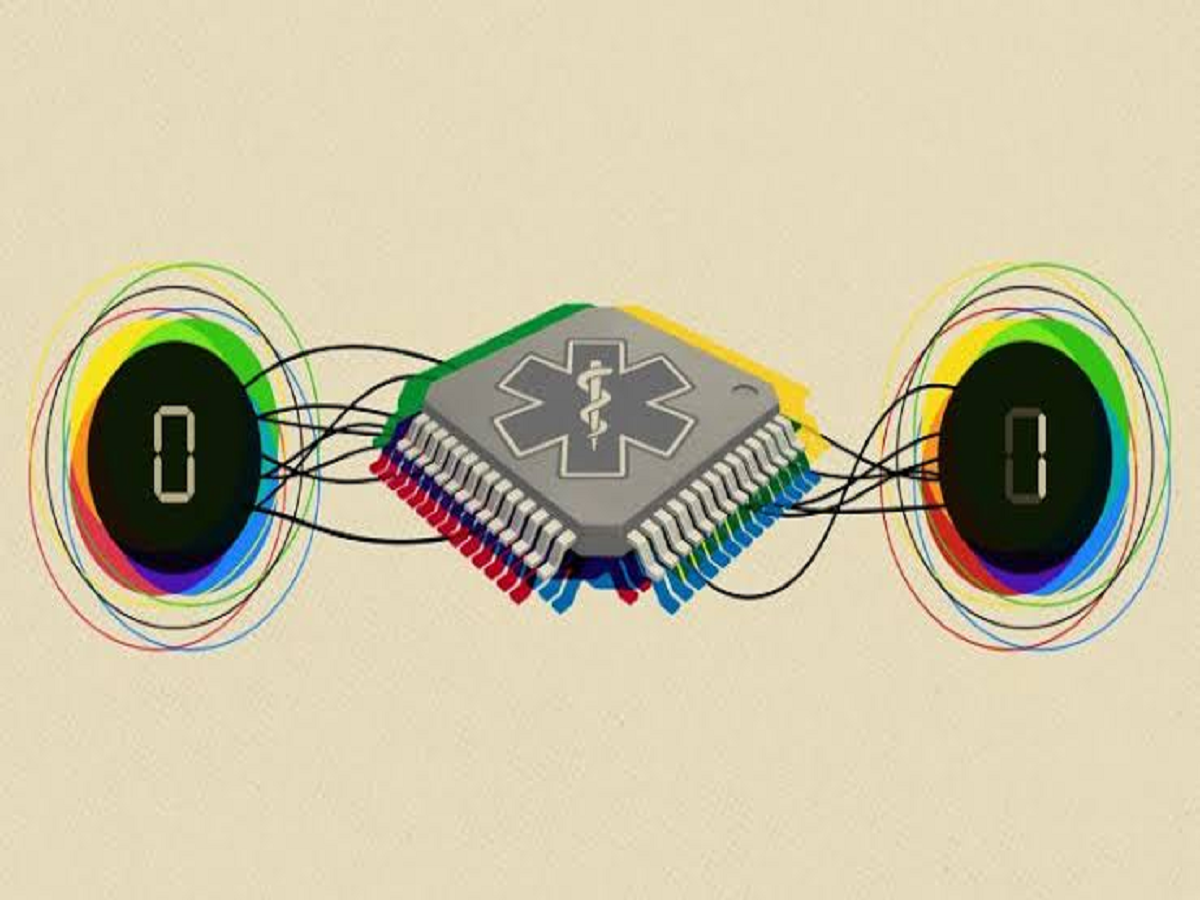
The internet has transformed how the world communicates, works and does business. But researchers are now exploring a fundamentally different way of transmitting information—one based on the strange rules of quantum physics.
Quantum networking is still in its early stages, but it could eventually create communication systems with security capabilities that conventional networks cannot easily replicate.
What is quantum networking?
Traditional internet communication relies on bits, which represent information as either 0 or 1.
Quantum networks use quantum bits, or qubits. Unlike ordinary bits, qubits can exist in quantum states that enable entirely different methods of processing and transmitting information.
This doesn't mean today's internet will suddenly disappear. Instead, quantum networks could initially work alongside existing communication infrastructure for specialised applications.
The biggest attraction: security
One of the most promising applications of quantum networking is secure communication.
Quantum key distribution, for example, uses the properties of quantum particles to establish encryption keys. An attempt to intercept the communication can disturb the quantum state, potentially revealing that someone has tried to access the information.
This could be particularly valuable for highly sensitive communications involving governments, financial institutions and critical infrastructure.
Why can't we build a quantum internet tomorrow?
There are major technical challenges.
Quantum information is extremely fragile. It can be disrupted by environmental interference, and transmitting it over long distances is difficult.
Researchers are therefore working on technologies such as quantum repeaters and specialised networks that could allow quantum information to travel farther without losing its useful properties.
Building the necessary infrastructure would also require significant investment.
Quantum computers add another reason to prepare
Quantum networking is closely connected to the development of quantum computers.
Powerful quantum computers could potentially threaten some of the encryption techniques widely used today. This has led researchers and organisations to explore post-quantum cryptography—new cryptographic methods designed to remain secure against future quantum attacks.
In other words, the cybersecurity industry is preparing for a threat that may become much more significant as quantum computing advances.
What could the future look like?
A mature quantum communication network could connect specialised facilities across cities or even countries.
Financial institutions could potentially use quantum-secured links for sensitive transactions, while research organisations could use them to exchange highly protected scientific information.
However, a quantum internet is unlikely to replace the ordinary internet for everyday activities such as watching videos, browsing websites or sending social media messages.
The next internet revolution may happen behind the scenes
Quantum networking is unlikely to become something consumers notice overnight.
Instead, its impact could first appear in areas where security and highly sensitive information matter most.
The technology is still developing, and many practical obstacles remain.
But one thing is becoming increasingly clear: the future of the internet may not simply be faster. It could be fundamentally different in the way information is protected and transmitted.