TECH
Your Next Search May Not Start With Google: How AI Is Changing the Way We Find Information Online
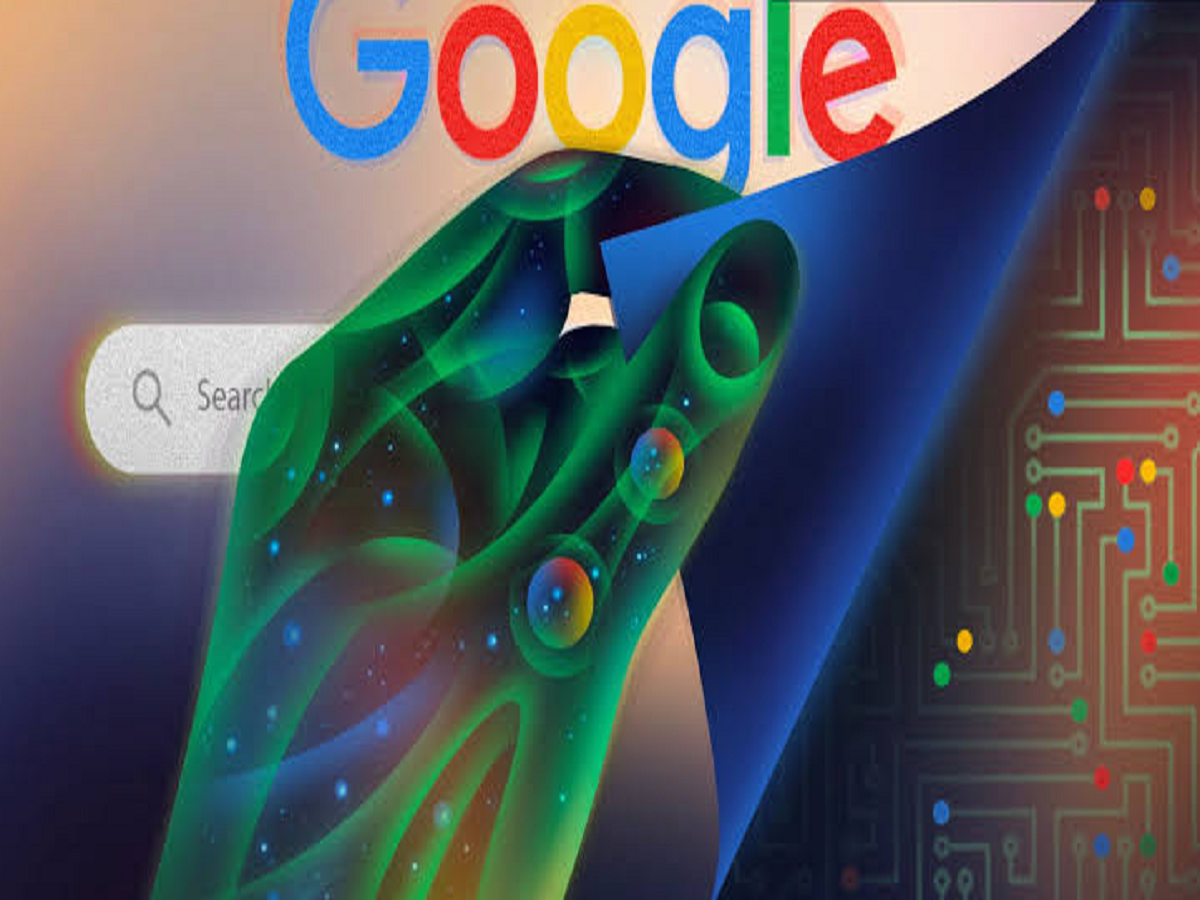
For more than two decades, searching the internet has followed a familiar pattern: type a few words into a search engine, scan a list of links and open the pages that seem useful.
Artificial intelligence is now changing that routine.
Instead of simply finding webpages, AI systems can understand a question, combine information from multiple sources and provide a conversational answer. This could fundamentally change how people discover information online.
From keywords to questions
Traditional search works particularly well when users know exactly what they are looking for.
But many real-world questions are more complicated.
Someone planning a holiday, comparing financial products or trying to understand a technical problem may need to search several times before finding a useful answer.
AI-powered search can potentially turn that process into a conversation. Users can ask a broad question, receive an answer and then ask follow-up questions without starting the search from scratch.
Search could become more personalised
AI systems can potentially use context from a conversation to understand what the user actually needs.
For example, instead of searching separately for “best laptops,” “laptop under a certain budget” and “laptop for video editing,” a user could explain their requirements in one conversation.
The system can then narrow down the information based on those specific needs.
This makes search feel less like entering commands and more like talking to an assistant.
But there is a major challenge: accuracy
Traditional search generally gives users a collection of sources. AI-generated answers can sound convincing even when the underlying information is incomplete or incorrect.
This makes verification extremely important.
For news, medical information, financial decisions and other important topics, users should still check reliable primary sources rather than blindly trusting an AI-generated response.
What happens to websites?
The rise of AI search is also creating an important question for the wider internet.
If users receive answers directly from AI systems, they may visit fewer websites.
That could affect publishers, bloggers and businesses that rely on search traffic.
At the same time, AI systems still need high-quality information from websites and other sources, creating a new relationship between content creators and AI platforms.
Search engines may become answer engines
The biggest change may be in what users expect from search.
Instead of asking, “Which website has the answer?”, people may increasingly ask, “Just give me the answer—and show me where it came from.”
That shift could transform search from a tool for discovering webpages into a system for understanding information.
The search box is becoming a conversation
The internet isn't disappearing. Search engines aren't disappearing either.
But the way we interact with them is changing.
The future of online search may not be about finding the right keywords. It may be about asking the right question—and having an AI understand exactly what you mean.