INTERNATIONAL
US Gold Card Visa: Trump Unveils Fast-Track Path to US Residency with Massive Investment Requirements
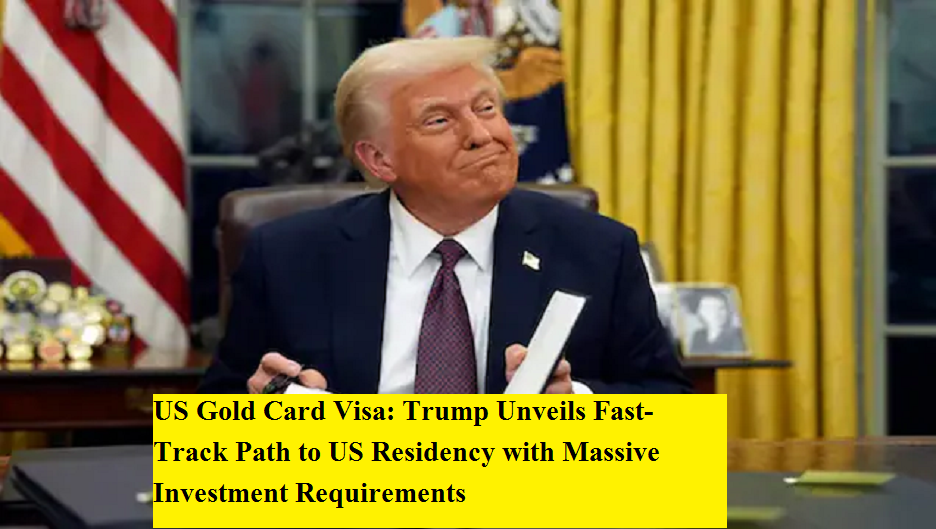
In a dramatic shift in America’s immigration landscape, US President Donald Trump has announced the launch of a “Gold Card” visa program, offering wealthy investors and exceptional talent a new fast-track route to US residency. Signed through an executive order, this initiative is designed to attract high-net-worth individuals and world-class professionals while generating significant revenue for the US economy.
A New Door to US Residency
Under the Gold Card program, foreign nationals can secure permanent US residency by making a minimum investment of $1 million (around ₹8.8 crore). Applicants will also need to pay a $15,000 vetting fee and undergo extensive background checks. In addition, companies looking to bring in key employees can opt for a fast-track corporate visa by paying $200,000 (around ₹1.76 crore).
Commerce Secretary Howard Lutnick stated that the Gold Card is intended to replace the existing EB-1 and EB-2 visa categories, which are traditionally used by individuals with extraordinary ability or advanced professional skills. Lutnick hinted that once the Gold Card becomes operational, other green card categories could be phased out within a month.
Platinum Visa for High-Spending Residents
Alongside the Gold Card, the Trump administration is preparing to roll out a Platinum Visa. This premium option will cost $500,000 (around ₹4.4 crore) and allow holders to stay in the United States for up to 270 days per year without paying US income tax on earnings generated during their stay. The Platinum Visa is aimed at ultra-wealthy global citizens seeking flexibility and tax advantages without full citizenship.
A Dual Strategy: Opportunity and Restriction
While opening a new door for the world’s rich and talented, Trump has simultaneously tightened the entry process for skilled professionals. The administration has raised the annual H-1B visa fee to $100,000 (around ₹88 lakh)—a steep hike that will significantly impact foreign tech workers, especially those from countries like India where demand for US jobs is high. Industry experts warn that this move could create serious hurdles for startups and technology companies that rely on international talent.
President Trump defended the dual policy, stating that the funds generated from these premium visa programs will be used to lower taxes, reduce national debt, and fund public projects. “This is a path for people with extraordinary ability and for those who can contribute significantly to America’s growth,” he said, highlighting that the program is meant to attract individuals who bring both capital and expertise.
What It Means for Global Applicants
The Gold Card visa presents a unique opportunity for investors and entrepreneurs who have the financial means to meet the high entry cost. However, it also signals a shift toward a more selective immigration policy that prioritizes wealth and talent over traditional work visas. Immigration analysts suggest that while the program may boost government revenues, it could widen the gap between those who can afford premium entry and skilled workers facing rising barriers.
With the combination of record-high H-1B fees and the introduction of investment-driven visas, the US immigration system is poised for a major transformation. The Gold Card and Platinum Visa may become the new standard for those seeking a foothold in America—provided they are ready to pay the price.