INTERNATIONAL
Why Netanyahu Faces Growing Pressure in Israel: The Inside Story of His Declining Popularity
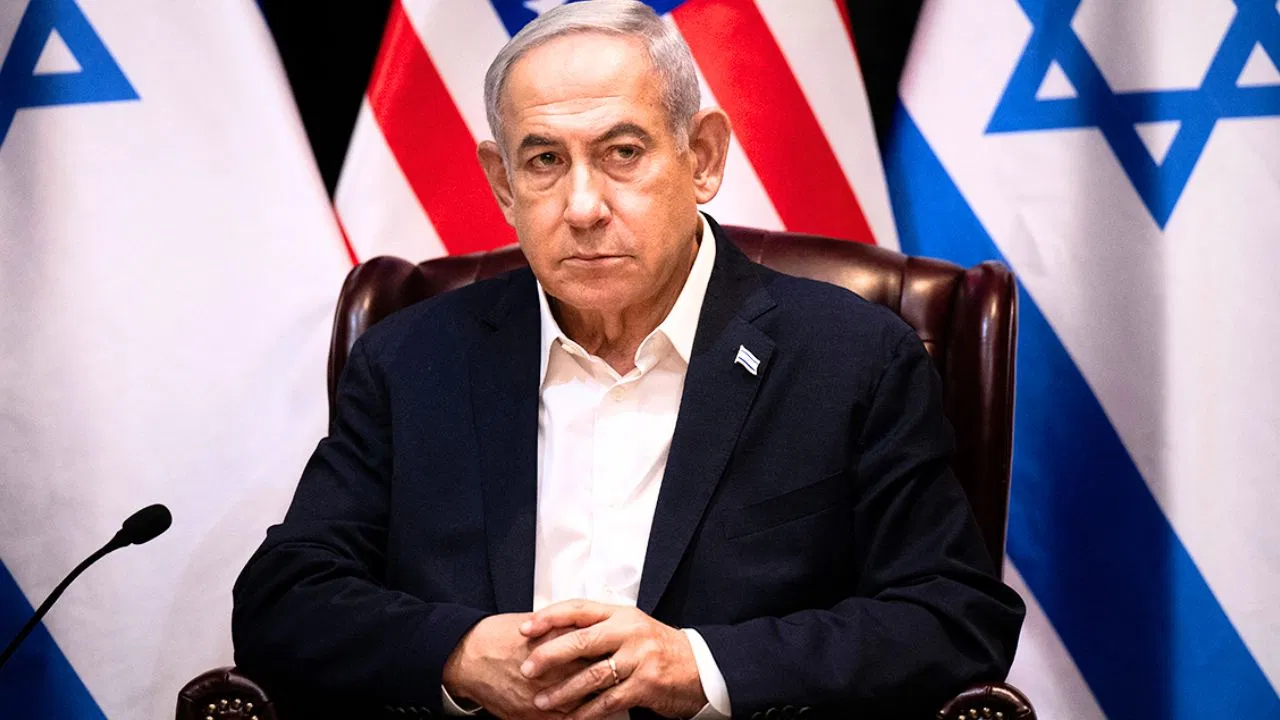
Israel has been engulfed in war for two years, and millions of citizens are now protesting against Prime Minister Benjamin Netanyahu. His policies in Gaza, which have resulted in widespread destruction and civilian casualties, are being criticized worldwide—even as Netanyahu insists that Israel is fighting for its “survival.”
Netanyahu’s Gaza Strategy Under Fire
Netanyahu’s approach to Gaza, particularly the military operations targeting Hamas, has drawn condemnation globally. The war began after the Hamas attack on 7 October 2023, which killed over 1,200 Israelis and took more than 250 hostages. Israel claims it is acting in self-defense, yet Gaza has seen massive destruction, with homes and infrastructure flattened and innocent children among the victims.
In August 2025, Israel launched Operation Gideon Chariots II to capture Gaza City. Netanyahu emphasized the need to defeat Hamas completely, calling it a fight against an ideology seeking Israel’s destruction. However, experts warn that Hamas, as an ideology, cannot be fully eliminated, raising questions about the long-term effectiveness of Israel’s strategy.
Mass Protests and Internal Dissent
From August to September 2025, protests erupted across Israel and worldwide. Over 400,000 people marched in Tel Aviv on 18 August demanding a ceasefire and the release of hostages. Highway blockades, public demonstrations, and army reservists refusing to serve marked a growing domestic challenge to Netanyahu’s policies.
Even internationally, protests have escalated. Demonstrations in London, New York, and Paris condemned Israel’s attacks as “genocide.” European leaders, including Ursula von der Leyen, called for halting aid, while the British Prime Minister criticized the military plan. Polls indicate most Israelis now favor a ceasefire.
Mounting Pressure on Netanyahu
Netanyahu’s coalition, supported by ultra-right parties, insists on continuing the war. Yet his popularity is dropping. Opposition leaders and hostage families have publicly challenged his policies, warning that prolonging the conflict endangers innocent lives. International bodies, including the UN Security Council, have condemned Israel’s strategy as a violation of international law.
Experts argue that Netanyahu’s desire to retain power is prolonging the war, despite growing internal and external pressures. Former Israeli intelligence officer Michael Milstein criticized Netanyahu for pandering to extremists, while others, including former PM Ehud Olmert, stress that ending the war is the only way to save hostages.
The Dilemma Ahead
Netanyahu portrays the conflict as existential, yet the humanitarian crisis in Gaza deepens daily. The August–September 2025 protests, both within Israel and internationally, signal that his government may soon face difficult decisions: continue the war at the cost of human suffering or consider a ceasefire under mounting pressure.
The situation raises a key question: Is Israel’s “fight for survival” genuinely ensuring victory, or has Netanyahu’s political ambitions trapped the nation in a cycle of destruction and global isolation? The winds of change appear to be blowing, and Netanyahu’s position is more precarious than ever.