TECH
Your Next Laptop May Not Need a Charger All Day: How New Battery Technology Could Change Portable Devices
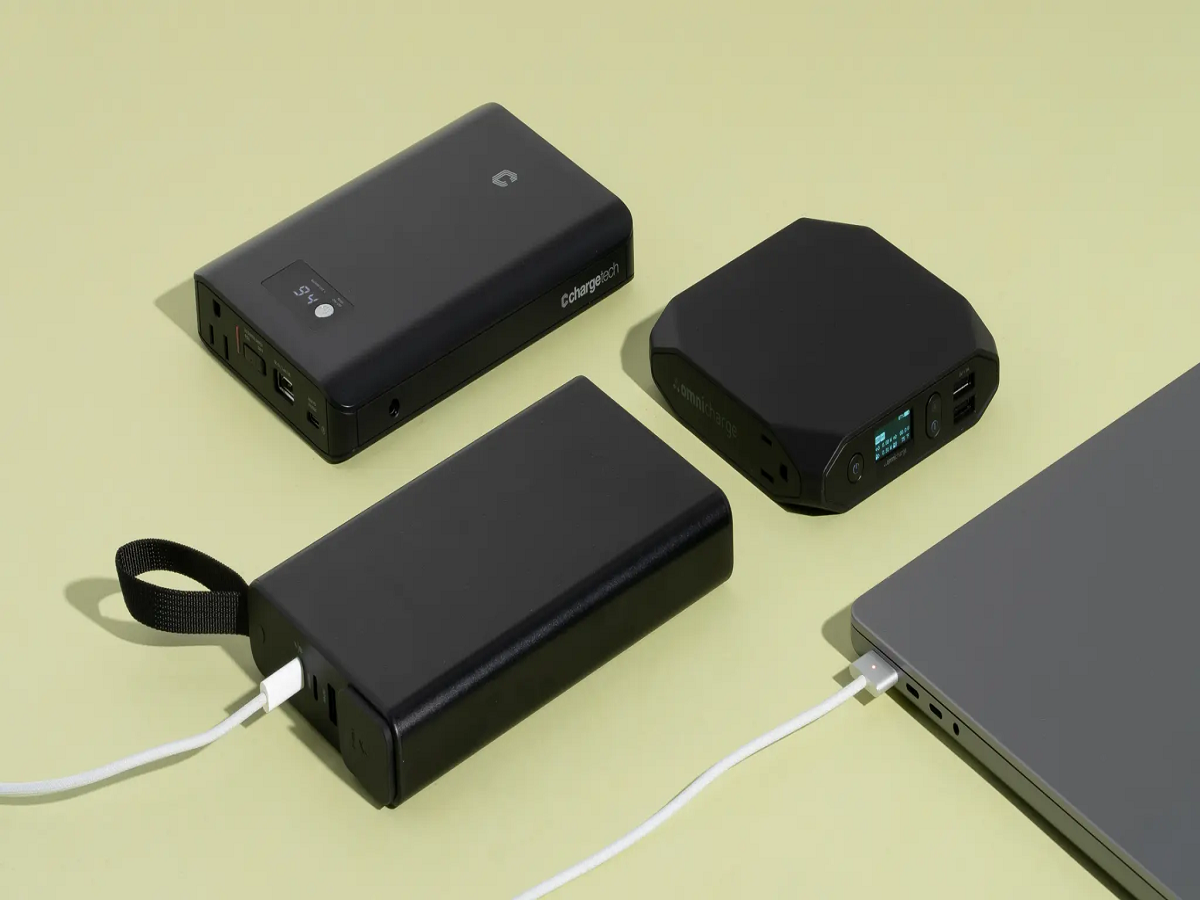
Laptop batteries have improved significantly over the years, but battery life remains one of the biggest concerns for people who work, study or travel with their devices. Now, advances in battery technology are opening the possibility of longer-lasting and faster-charging portable electronics.
Why today's batteries have limitations
Most smartphones, laptops and tablets rely on lithium-ion batteries. They offer a useful combination of energy density, cost and durability, but they also have limitations.
Battery capacity gradually decreases with repeated charging cycles, while high temperatures and extremely fast charging can accelerate degradation.
For users, this means a new laptop may offer excellent battery life when purchased but perform differently after years of daily use.
Silicon could make a big difference
One of the technologies attracting attention is the use of silicon in battery anodes.
Silicon can theoretically store substantially more lithium than the graphite traditionally used in many batteries. This creates the possibility of putting more energy into a battery of the same physical size.
The challenge is that silicon expands considerably when it absorbs lithium. Researchers and manufacturers are therefore working on ways to use silicon while maintaining battery stability and longevity.
Faster charging is another major goal
Battery innovation is not only about making devices last longer.
Manufacturers are also trying to reduce charging time. For smartphones, getting several hours of use from a short charging session could make a major difference.
For laptops, faster charging could mean users no longer need to keep their charger connected throughout the day.
What about overheating?
More energy and faster charging also create another challenge: heat.
Battery systems need sophisticated power management and thermal controls to operate safely. Future devices are likely to rely increasingly on software that monitors temperature, charging speed, battery health and usage patterns.
Artificial intelligence could also play a role by predicting how a person uses their device and adjusting charging behaviour accordingly.
Could batteries eventually last for days?
For some types of devices, that possibility is becoming more realistic.
Low-power processors, more efficient displays and better software are already helping laptops and smartphones consume less energy. Combining these improvements with higher-density batteries could produce devices that require charging far less frequently.
However, battery performance will depend heavily on the device, processor, display and how it is used.
The real revolution may be invisible
When people think about new technology, they usually notice faster processors, sharper cameras or brighter displays.
Battery improvements are different. They may not change how a device looks, but they can fundamentally change how people use it.
A future where a laptop can comfortably run through an entire workday—or much longer—could make carrying a charger feel as outdated as carrying spare batteries once did.
The next big laptop upgrade may not be something you see on the screen. It could be the battery quietly working behind it.