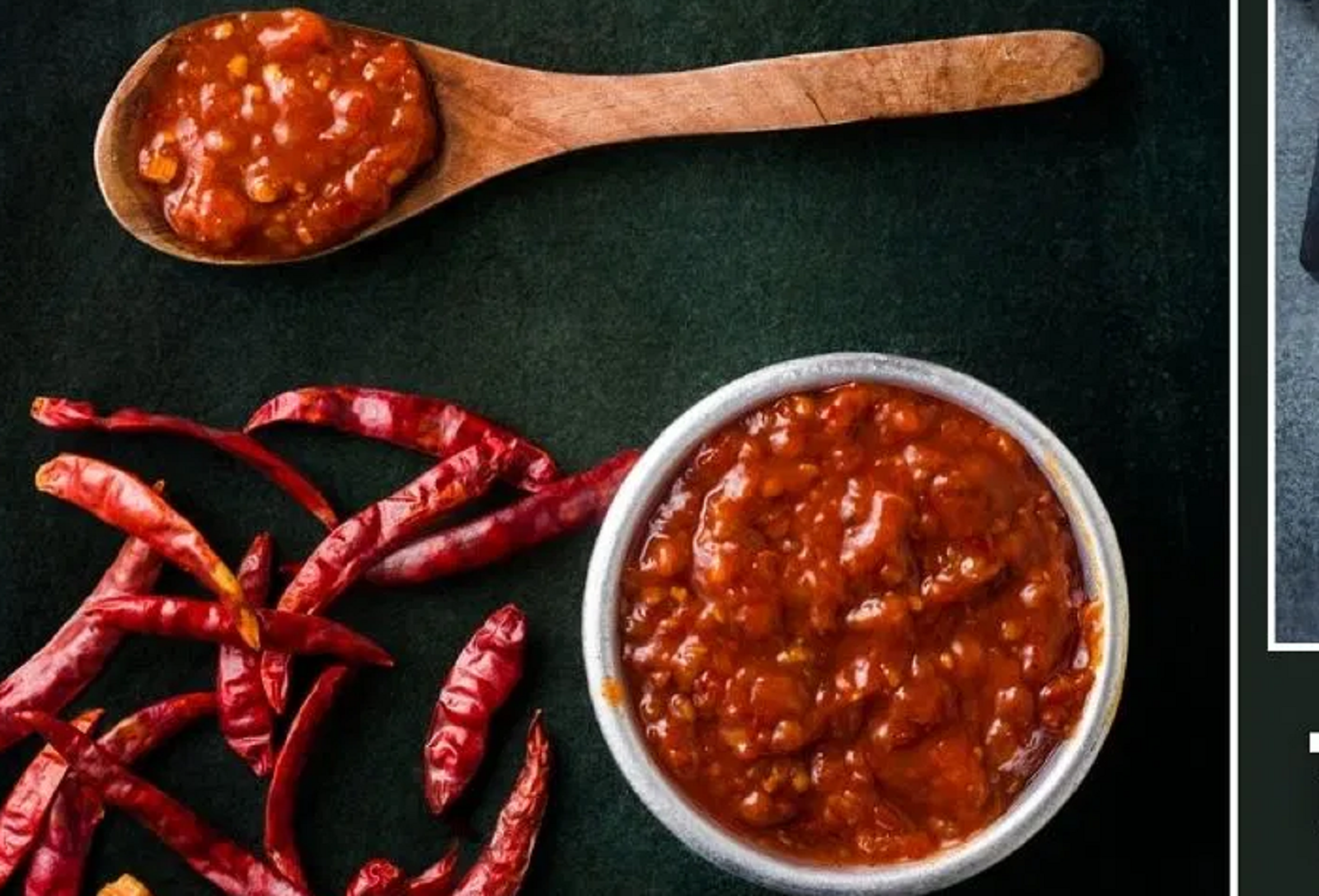
Chutneys hold a special place in Indian cuisine, elevating the flavor of any meal with their varied tastes and health benefits. Being low in oil and rich in nutrients, chutneys made from diverse ingredients such as coriander, mint, tamarind, raw mango, coconut, and tomato not only complement dishes but also provide medicinal value through their spices, consumed in small, harmless quantities. During winter, when fresh vegetables may be scarce, chutneys serve as the perfect accompaniment for parathas, rotis, puris, or rice, and are quick to prepare.
One excellent winter chutney is made from "amla" and ginger. Amla is abundant in vitamin C and enhances immunity while promoting healthy hair and skin. Combining it with ginger balances flavors and boosts overall health. Another regional favorite is flaxseed chutney from Bihar, made with flaxseed, sesame seeds, garlic, and curry leaves, offering both a vibrant taste and rich nutritional content.
Guava, a tropical fruit rich in vitamin C and commonly available in winters, can be transformed into a flavorful chutney with sweet, sour, and mildly spicy notes, known for soothing sore throats and coughs. In Maharashtra, an interesting twist on the traditional peanut chutney called thecha is made with curry leaves instead of coriander, sesame seeds, and amla replacing lemon to add tang. Lastly, garlic chutney, though often consumed in summer, is particularly beneficial in winter due to garlic's warming properties, making it a great side with dishes like urad dal khichdi.
Including these five types of chutneys in your winter diet not only enriches the taste of your meals but also supports good health during the colder months.