LIFESTYLE
Heart Attack First Aid: If you get a heart attack while alone, save your life in 15 seconds, know how?
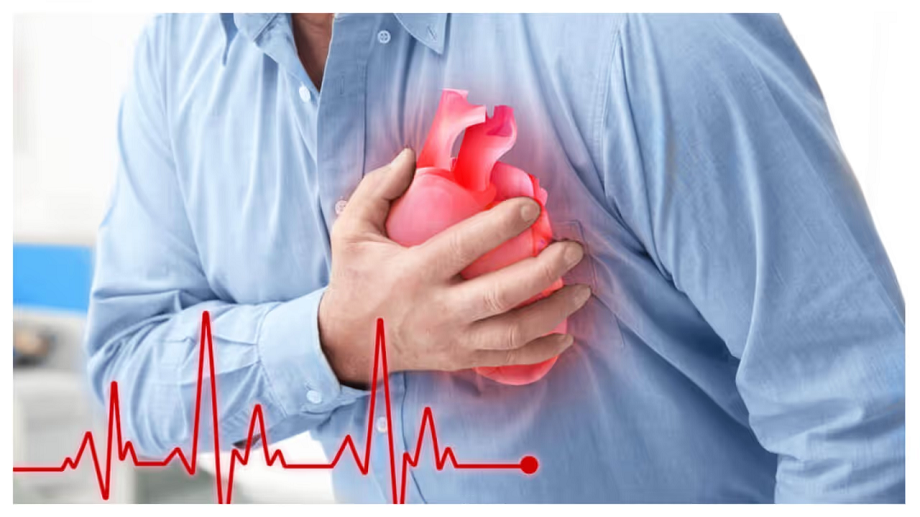
Heart attack first aid tips: An emergency like a heart attack never comes unexpectedly. But if you notice any signs, even mild ones, instead of panicking, react immediately. A decision you make in 15–30 seconds could save someone's life.
Heart attacks don't strike at any age. Sometimes, people are home alone and suddenly experience chest pain, anxiety, or shortness of breath. In such a situation, panic is the biggest enemy, because in a heart attack, every second counts as a life-saving second. According to doctors, if you're alone and experiencing what feels like a heart attack, taking the right steps within the first 15 seconds could save your life. Here's a step-by-step guide to the essential steps you should take immediately.
Recognize the signs of a heart attack immediately
- chest pressure, heaviness, or tightness
- pain in the left arm, jaw, back, or neck
- Sweating, dizziness, sudden weakness
- shortness of breath or discomfort
- Nausea or heaviness in the stomach (many people ignore this thinking it's gas)
- As soon as you feel that “something is not right” – understand that the time has begun.
The 15-Second Life-Saving Plan
Call for immediate medical help (0–5 seconds): The first step is to call an ambulance or 112/108. Calling initiates medical attention and allows a doctor to provide guidance on the way. Put the phone on speaker mode. Sit in a static position for 5–8 seconds.
- Don't run, don't run.
- Sit upright
- Support the back
- Stay as calm as possible
- This reduces the load on the heart.
Open the door immediately: If you are alone, open the main door so the ambulance/family can get straight in. Many patients do not survive if the door is closed after they become unconscious.
Chew aspirin if possible. If you're not allergic to aspirin (325 mg) and don't have any bleeding problems, chew the tablet. It slows blood clotting, reducing heart damage.
What to do next until help arrives?
- Take deep breaths slowly
- Keep your mobile phone nearby
- Do not stand up suddenly
- If you experience confusion, heavy breathing, or increased anxiety, call 112 again.
- If at any moment you start to feel faint, immediately lie down on the ground, on your left side or on your back.
Image Credit: Getty