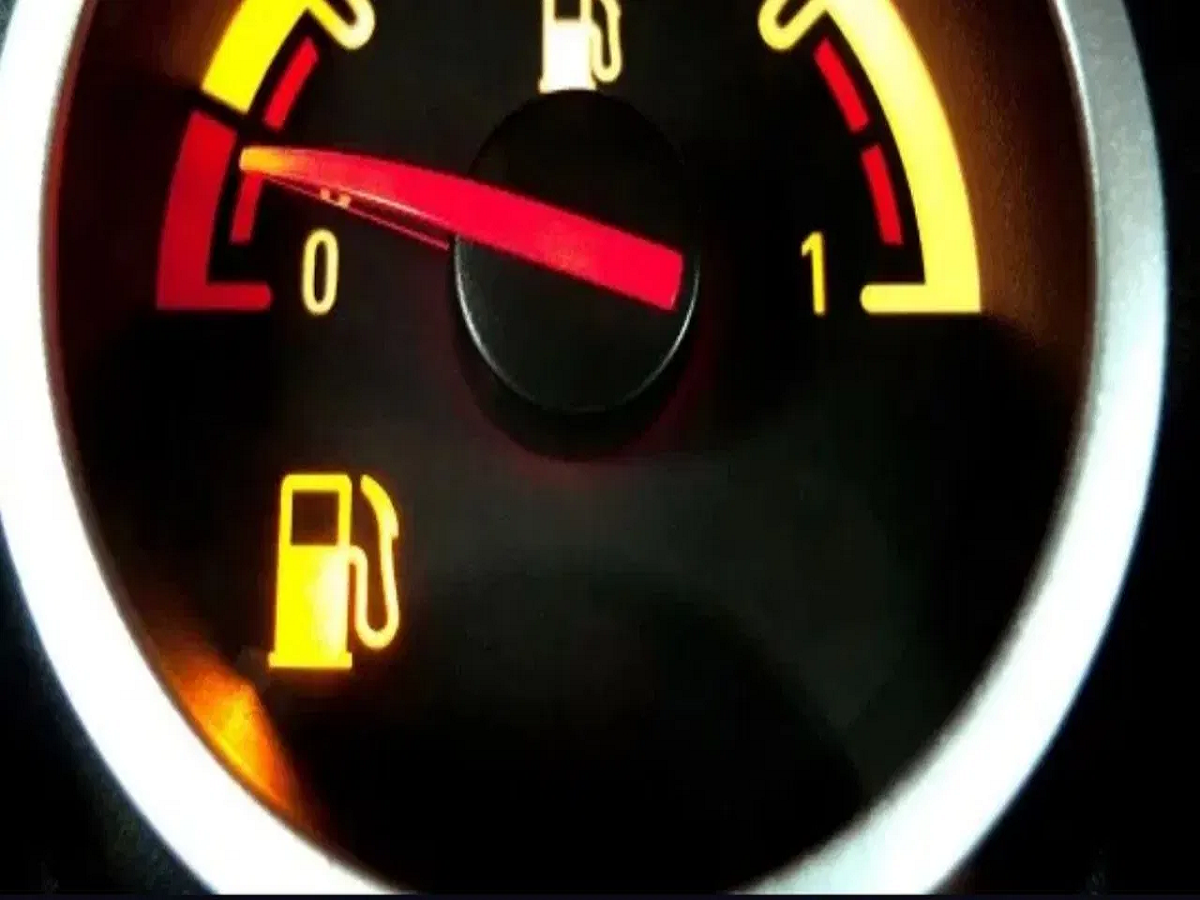
Seeing the “low fuel” warning light on your car’s dashboard can make any driver anxious. While it signals that your fuel tank is running low, it doesn’t mean the vehicle will stop immediately. In most cars, the light comes on when the fuel reaches the reserve, which is usually around 5 to 8 liters depending on the model and manufacturer. Petrol cars can often travel 40 to 80 kilometers after the light appears, while diesel cars may cover 70 to 90 kilometers, thanks to better mileage.
The distance your car can travel on reserve fuel depends on several factors. Driving style plays a significant role—steady, moderate driving uses less fuel than sudden acceleration or high-speed driving. Road conditions also matter: city traffic with frequent stops consumes more fuel, whereas highway driving is more fuel-efficient. Other factors like car weight, tire pressure, AC usage, and the condition of the engine can also affect fuel consumption. Some newer vehicles display a “distance-to-empty” figure, but this estimate can fluctuate depending on how the car is driven.
Although running your car occasionally on reserve fuel is generally safe, making it a habit can be harmful. Dirt and debris from the bottom of the tank can enter the fuel system, potentially clogging filters. Fuel pumps in modern cars rely on fuel for cooling, so completely running out can damage the pump. Automotive experts strongly recommend refueling as soon as the low fuel light comes on. This not only protects your car from unnecessary wear but also ensures you avoid being stranded in an unsafe location.