BUSINESS
Petrol-Diesel: Petrol becomes ₹6 cheaper, diesel rates also reduced; find out which government has provided this relief
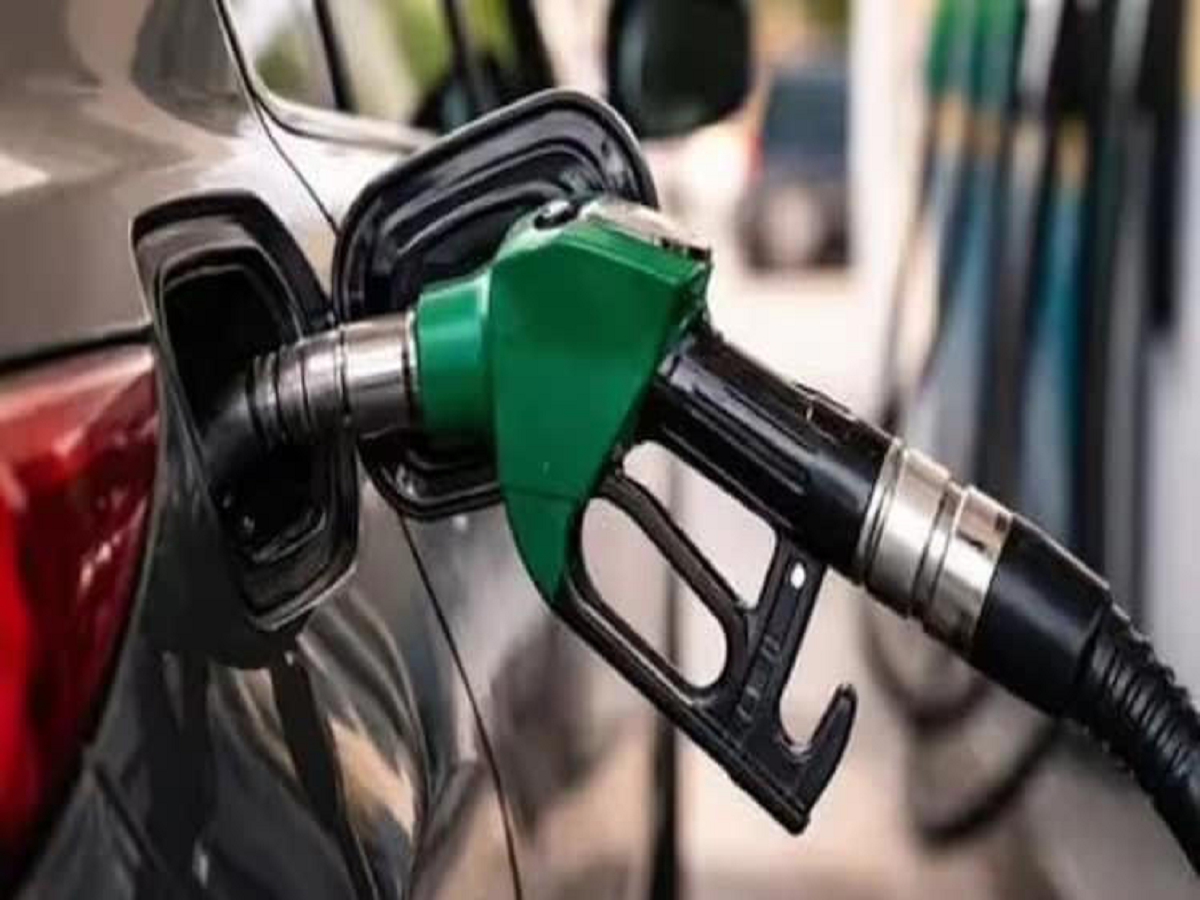
Pakistan Cuts Petrol and Diesel Prices, Fuel Rates Reduced Amid Global Oil Decline
Pakistan has announced a major reduction in petrol and diesel prices, offering significant relief to consumers struggling with rising living costs. While fuel prices in several neighboring countries continue to increase, the government led by Shehbaz Sharif has decided to lower petroleum rates following recent fluctuations in international crude oil prices.
The latest revision came into effect on May 23, with the Pakistani government reducing petrol prices by 6 Pakistani rupees per litre. At the same time, the price of High-Speed Diesel (HSD) was slashed by 6.80 Pakistani rupees per litre. The move is being seen as an attempt to pass on the benefit of softer global oil prices directly to the public.
Fuel Prices Reduced as Global Crude Oil Softens
According to reports from Pakistan’s Petroleum Division and local media outlets, the decision was taken after recent changes in international crude oil markets and adjustments in Inland Freight Equalization Margin (IFEM) rates. Authorities reportedly reviewed global fuel trends and revised domestic rates accordingly.
Officials stated that the decline in crude oil prices over the past week created room for the government to reduce retail fuel prices. The latest cut is expected to provide some financial breathing space to transporters, businesses, and ordinary citizens dealing with inflationary pressure.
Pakistan follows a weekly fuel pricing mechanism, under which petroleum rates are reviewed every Friday based on changes in international oil prices, import costs, and taxation policies. Since crude oil prices showed a slight downward trend recently, the government adjusted petrol and diesel rates under the existing pricing formula.
Relief for Citizens Amid Economic Challenges
Fuel prices have a direct impact on transportation, food costs, and overall inflation in Pakistan. Any reduction in petrol and diesel prices usually brings temporary relief for consumers and businesses alike.
The latest price cut comes at a time when Pakistan continues to face economic pressure linked to inflation, currency fluctuations, and external debt obligations. Rising fuel prices in recent months had increased transportation expenses and affected the prices of essential commodities across the country.
Experts believe the reduction may slightly ease inflationary concerns, especially for middle-class households and industries dependent on fuel-based logistics.
IMF Conditions Also Played a Role
Pakistan is currently operating under financial support conditions linked to assistance from the International Monetary Fund (IMF). One of the major conditions reportedly required the government to maintain a petroleum levy averaging around 80 Pakistani rupees per litre on fuel products.
Reports suggest that the Pakistani government had already achieved its petroleum levy collection targets last week. As a result, authorities found room to reduce consumer fuel prices after international crude rates softened.
Analysts say the move reflects a balancing act between meeting IMF commitments and offering economic relief to the public. Governments often face criticism when global crude prices fall but domestic fuel prices remain unchanged. By lowering rates now, Pakistan appears to be responding to public expectations while staying within its fiscal framework.
Contrast Between India and Pakistan Fuel Trends
Interestingly, the fuel price trend in Pakistan currently differs sharply from the situation in India. In recent days, petrol and diesel prices in several Indian regions have witnessed upward revisions due to tax adjustments and market-linked pricing changes.
This contrast has sparked discussion across social media and economic forums, with many comparing how neighboring countries are responding to global oil market movements.
However, experts caution that fuel pricing structures in India and Pakistan are fundamentally different. Taxes, subsidies, currency exchange rates, import costs, and government policies vary significantly between the two nations, making direct comparisons difficult.
Why Global Crude Oil Prices Matter
International crude oil prices remain one of the biggest factors influencing domestic fuel rates worldwide. Even minor fluctuations in global markets can affect petrol and diesel prices in import-dependent economies like Pakistan.
When crude oil becomes cheaper internationally, governments often gain flexibility to reduce retail fuel prices. However, local taxation, freight charges, and currency depreciation can sometimes limit the actual benefit passed on to consumers.
In Pakistan’s case, the recent decline in global oil prices and changes in freight-related margins created an opportunity for authorities to lower fuel rates without disrupting fiscal targets.
Public Reaction After Fuel Price Cut
The announcement has been welcomed by many Pakistani consumers, especially transport operators and daily commuters. Lower diesel prices may also help reduce logistics costs for businesses and agricultural operations.
While the relief may be temporary depending on future global oil movements, the latest decision has provided a positive signal for consumers hoping for some respite from rising expenses.
Economic experts now expect the next few weekly fuel reviews to depend heavily on international crude price trends, geopolitical developments, and Pakistan’s ongoing financial commitments under IMF-supported reforms.