SPORTS
Ranji Trophy Finalists Seen Using E-Rickshaws After Win, Social Media Questions BCCI Facilities
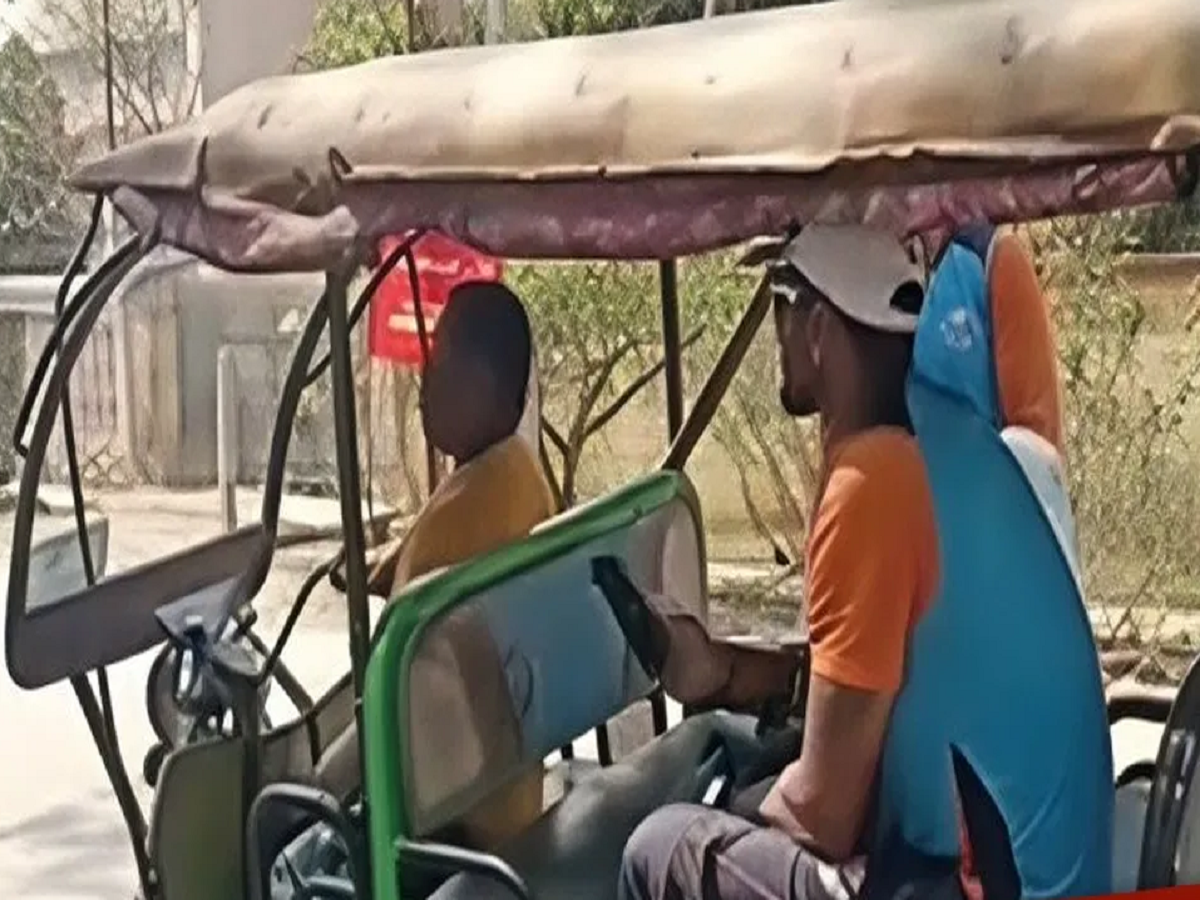
A surprising scene following a historic Ranji Trophy semi-final has sparked debate on social media and raised questions about player logistics in India’s premier domestic cricket tournament. Players from Jammu and Kashmir cricket team, who recently secured their first-ever entry into the Ranji Trophy final, were spotted travelling back to their hotel in e-rickshaws after defeating Bengal cricket team.
Images of one of the Jammu and Kashmir players seated in an e-rickshaw in Kolkata quickly went viral, prompting criticism and concerns about arrangements made by the Board of Control for Cricket in India. Many fans questioned why players competing in a flagship domestic tournament under the world’s richest cricket board were left to use such transport after a major match.
Why Were Players Using E-Rickshaws?
The semi-final clash between Bengal and Jammu and Kashmir was played at the Bengal Cricket Academy ground in Kalyani, on the outskirts of Kolkata. According to reports, the hotel accommodating the Jammu and Kashmir team was located barely 500 metres from the venue.
While this distance is short, the optics of players using public e-rickshaws raised eyebrows. However, journalists familiar with the venue and logistics clarified that the situation may not indicate negligence on the part of the BCCI.
Cricket journalist Subhayan Chakraborty explained on social media that each Ranji Trophy team is provided with an official team bus. However, players sometimes choose not to wait for the bus—especially when the hotel is within walking distance or a short ride away.
He added that even India international Ishan Kishan had used an e-rickshaw to travel from the same ground to his hotel during a previous match at the venue.
Context Behind the Viral Images
While the viral photos triggered online outrage, insiders suggest the decision was voluntary rather than forced. With the hotel located so close to the stadium, players reportedly opted for the quickest available option rather than waiting for official transport, which can sometimes be delayed due to post-match formalities.
Nonetheless, critics argue that optics matter—especially when domestic players from less-highlighted regions are involved. The incident has reopened discussions around standardised treatment, visibility, and dignity for all domestic cricketers, regardless of their team’s profile.
Jammu and Kashmir’s Historic Achievement
Beyond the controversy, the spotlight firmly belongs on Jammu and Kashmir’s remarkable performance in the tournament. Reaching the Ranji Trophy final for the first time in history is a landmark achievement for the team.
In the semi-final, Bengal were bowled out for 328 in the first innings, to which Jammu and Kashmir responded with 302. The turning point came in the second innings, when Bengal collapsed for just 99 runs. Jammu and Kashmir chased down the target comfortably, losing only four wickets to secure a six-wicket victory.
Aaqib Nabi Dar Emerges as Tournament Star
The standout performer behind Jammu and Kashmir’s dream run has been fast bowler Aaqib Nabi Dar. He has been in sensational form throughout the tournament, claiming 55 wickets in just nine matches, including six five-wicket hauls.
His consistent ability to break partnerships and dominate batting line-ups has been widely credited as the backbone of the team’s success.
Bigger Questions for Indian Domestic Cricket
While the explanation behind the e-rickshaw travel may be reasonable, the incident highlights how quickly optics can overshadow achievements. For many fans, the image symbolised deeper concerns about infrastructure, support, and respect for domestic cricketers.
As Jammu and Kashmir prepare for their maiden Ranji Trophy final, attention now shifts back to cricketing matters. Still, the episode serves as a reminder that even small logistical moments can spark large conversations in Indian sport.