TECH
The Internet Is Getting a New Identity System: How Decentralised Digital IDs Could Change Online Verification
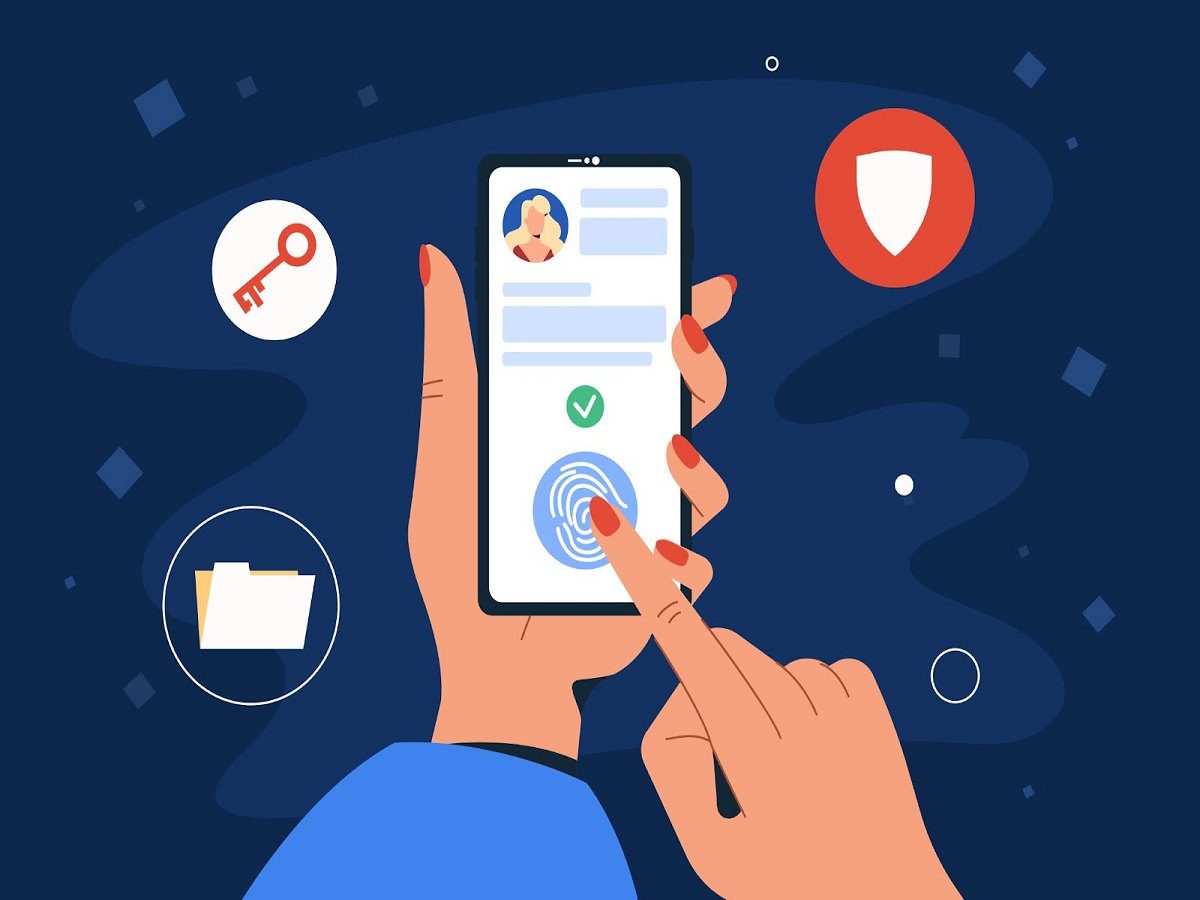
Imagine opening a bank account, verifying your age, applying for a service or proving your qualifications without repeatedly uploading copies of your identity documents.
A new approach to digital identity aims to make these processes simpler while giving people greater control over how their personal information is shared. Known as decentralised digital identity, the concept is attracting attention as governments, businesses and technology developers explore alternatives to conventional online verification.
Instead of depending entirely on a single organisation to store and verify a person's information, these systems can allow individuals to hold digital credentials and present specific pieces of information when required.
The idea could reshape how people prove who they are in an increasingly digital world.
What Is a Decentralised Digital Identity?
A digital identity is a collection of information used to identify or verify a person online. It might include details such as a name, date of birth, educational qualifications or professional credentials.
Traditional identity systems often rely on a central organisation to maintain records and confirm information. For example, a bank may verify a customer using documents issued by an authorised institution.
Decentralised identity introduces a different model. An authorised organisation issues a digital credential, which the individual can store in a digital wallet or another compatible system. The individual can then present that credential to a service that needs to verify specific information.
The credential's authenticity can be checked using cryptographic methods and trusted issuer information. Importantly, decentralised identity does not necessarily mean that every personal record is stored on a blockchain.
How Does It Work?
The process generally involves three participants: the person whose identity is being verified, the organisation issuing the credential and the organisation checking it.
First, a trusted issuer verifies information and creates a digital credential. This could be a university issuing a qualification credential or an authorised organisation issuing another form of verified information.
Next, the individual stores the credential in a compatible digital wallet.
When a service requests verification, the individual presents the relevant information. The receiving service checks whether the credential is authentic, valid and issued by a trusted organisation.
Depending on the system, it may be possible to prove a specific fact without disclosing every detail contained in the original document.
For example, a service might need confirmation that someone is above a particular age rather than needing their complete date of birth.
Why Could This Be Better Than Uploading Documents?
1. Less Repeated Paperwork
People frequently submit identity documents when opening accounts, applying for services or completing verification procedures.
Reusable digital credentials could reduce repeated document submissions where organisations accept them. Instead of starting every verification process from scratch, users may be able to present an existing verified credential.
The benefit will depend on whether the relevant institutions support compatible standards.
2. Greater Control Over Personal Information
Some digital identity systems support selective disclosure, allowing users to share only the information needed for a particular purpose.
For instance, proving that a person holds a professional qualification may not require disclosing unrelated personal details.
This can reduce unnecessary data sharing, although the degree of privacy depends on how the credential and verification system are designed.
3. Potentially Stronger Fraud Prevention
Digital credentials can use cryptographic techniques that make unauthorised alteration easier to detect.
A service can check whether a credential was issued by a recognised authority and whether it has been revoked or expired, where the system supports these checks.
However, digital credentials do not eliminate fraud completely. Fake issuers, compromised accounts, stolen devices and poorly designed verification systems remain potential risks.
4. Easier Cross-Border Verification
Digital credentials could eventually simplify certain international processes, including checking educational qualifications and professional certifications.
This would be especially useful for people applying for jobs, studying abroad or working with organisations in different countries.
However, cross-border recognition requires cooperation between institutions and compliance with applicable laws. A credential accepted in one country will not automatically be recognised everywhere.
What Role Could Blockchain Play?
Blockchain is sometimes used in discussions about decentralised identity, but it is not essential to every implementation.
In some systems, a blockchain or another distributed ledger may help publish information used to verify issuers or manage public identifiers. Personal identity documents, however, generally should not be placed directly on a public blockchain because doing so can create serious privacy and data-protection concerns.
Other decentralised identity systems rely on conventional infrastructure and cryptographic standards without using a blockchain.
The core idea is to enable verifiable credentials and reduce unnecessary dependence on a single identity provider, rather than requiring every system to use one particular technology.
Could This Change Banking and Financial Services?
Financial institutions must verify customers to meet identity-checking and anti-money-laundering requirements.
Reusable digital credentials could help streamline parts of these processes if they meet the institution's legal and security requirements.
For example, a verified credential might provide some of the information needed during account opening. The bank would still need to perform the checks required under applicable regulations.
Digital identity should therefore be viewed as a potential improvement to verification procedures, not an automatic replacement for existing compliance obligations.
What Could It Mean for India?
India already has a large digital public infrastructure ecosystem, including Aadhaar-based identity services and digital document facilities such as DigiLocker.
These systems are not identical to decentralised identity, and their legal frameworks, operating models and technical capabilities differ. Nevertheless, they illustrate how digital credentials and online verification can reduce dependence on physical paperwork.
Future developments in verifiable credentials could support additional use cases involving education, employment, professional licences and other documents.
Their success would depend on interoperability, institutional adoption, security safeguards and compliance with India's applicable privacy and data-protection laws.
Consumers should also distinguish between official digital identity services and private applications that merely claim to provide identity verification.
The Risks: Privacy, Security and Digital Exclusion
Despite its potential, decentralised identity presents important challenges.
If a user loses access to a digital wallet, recovering credentials safely can be difficult. If a device or account is compromised, an attacker may attempt to misuse the stored credentials.
There is also the risk that organisations could collect more information than necessary or combine verification records to track people's activities.
Another concern is accessibility. People without suitable smartphones, reliable internet access or digital literacy must not be excluded from essential services.
Effective systems therefore need secure recovery methods, clear consent mechanisms, limited data collection and alternative ways to complete important verification processes.
Will Digital Identity Replace Physical Documents?
Not completely, at least not in the immediate future.
Physical documents and conventional digital records will remain important for many legal, administrative and practical purposes. Digital credentials may gradually become an additional way to verify information, particularly where organisations can establish trust in the issuing authority.
Adoption will depend on whether the technology is convenient for users, reliable for businesses and recognised by relevant institutions.
The biggest challenge is not simply creating digital credentials. It is building a network of organisations that trust and accept them.
Conclusion
Decentralised digital identity offers a different way to approach online verification. By allowing individuals to hold and present verifiable credentials, it could reduce repetitive paperwork and give people more control over the information they disclose.
The technology is not a universal replacement for government identity systems, banks' verification procedures or physical documents. Its effectiveness will depend on security, privacy, interoperability and widespread acceptance.
As more services move online, the ability to prove a specific fact without repeatedly exposing an entire collection of personal information could become an increasingly important part of digital life.