LIFESTYLE
The rising popularity of plant-based diets: Trend or real necessity? Experts reveal the truth
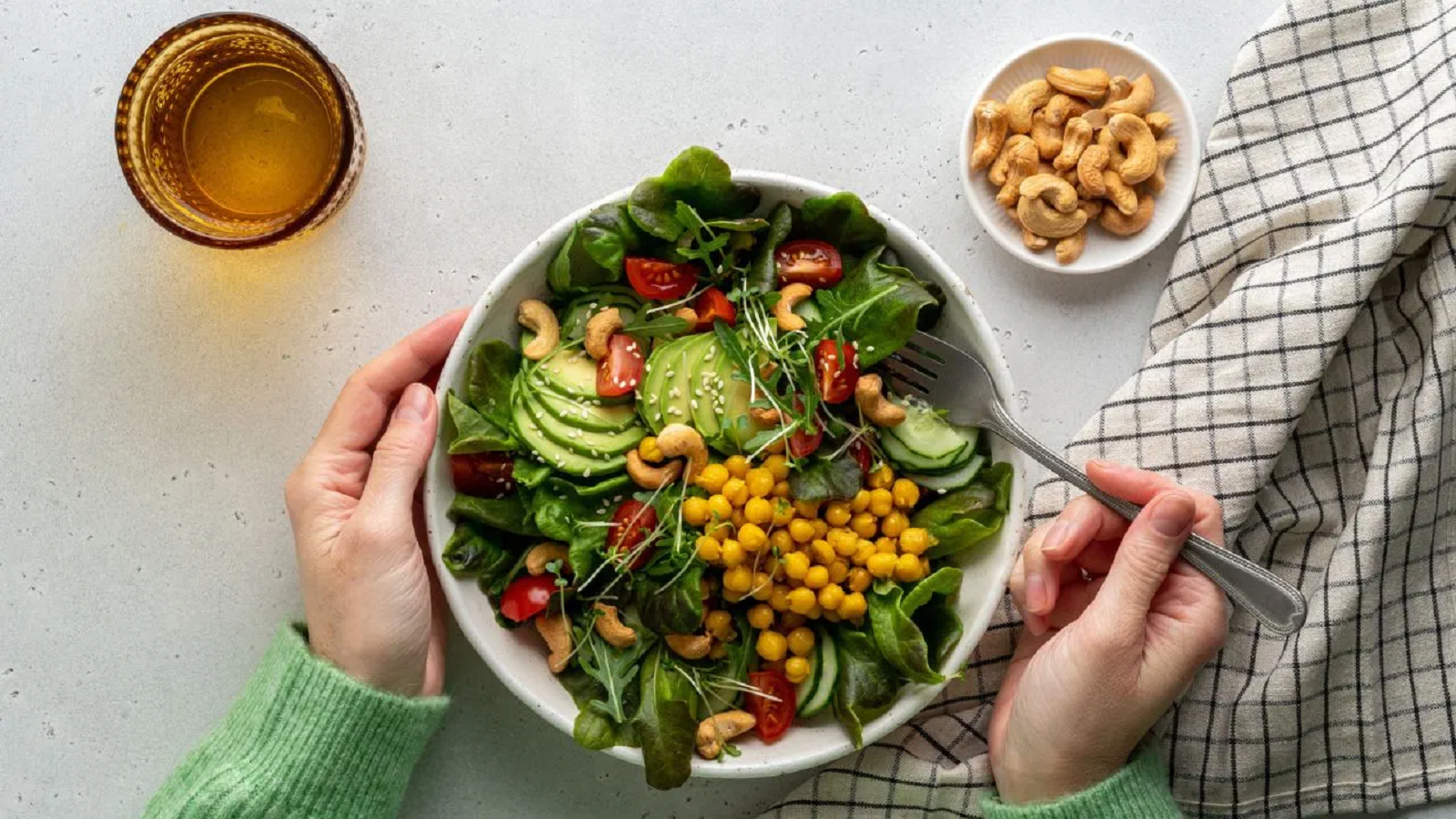
In today’s health-conscious world, people are constantly finding new ways to stay fit and maintain a healthy weight. This has led to the rise of several popular diets, heavily influenced by social media. When someone shares their weight-loss story online, many others quickly adopt the same routine—whether it’s a low-calorie plan, keto, vegan, high-protein, or the increasingly popular plant-based diet.
But as the plant-based diet gains attention, one question remains: Is it genuinely beneficial, or is it just another passing trend? Experts help us understand its advantages and drawbacks.
What is a plant-based diet?
A plant-based diet focuses primarily on foods derived from plants—fruits, whole grains, legumes, nuts, and seeds. Animal-based foods like meat, fish, eggs, and dairy are either limited or excluded altogether. These plant foods are rich in vitamins, minerals, fiber, and antioxidants, making the diet naturally nutrient-dense.
What do experts say?
According to health experts, many people switch to a plant-based diet simply because it is trending, not because it suits their body or lifestyle. Without proper planning, the diet can lead to deficiencies in key nutrients such as protein, vitamin B12, iron, and omega-3 fatty acids.
A doctor from Regency Hospital warns that children, pregnant women, older adults, and athletes should be especially cautious. Following a plant-based diet without professional guidance may do more harm than good, potentially causing tiredness, weakness, or long-term health issues.
The right approach
Before choosing a plant-based diet, it is important to consult a dietitian who can evaluate your lifestyle, medical history, and nutritional needs. When properly planned, this diet can be very beneficial and support long-term health. However, if followed without structure or awareness, it may lead to nutrient deficiencies and health problems.