TECH
Your Home Is Getting Smarter: How Matter Technology Is Making Different Smart Devices Work Together
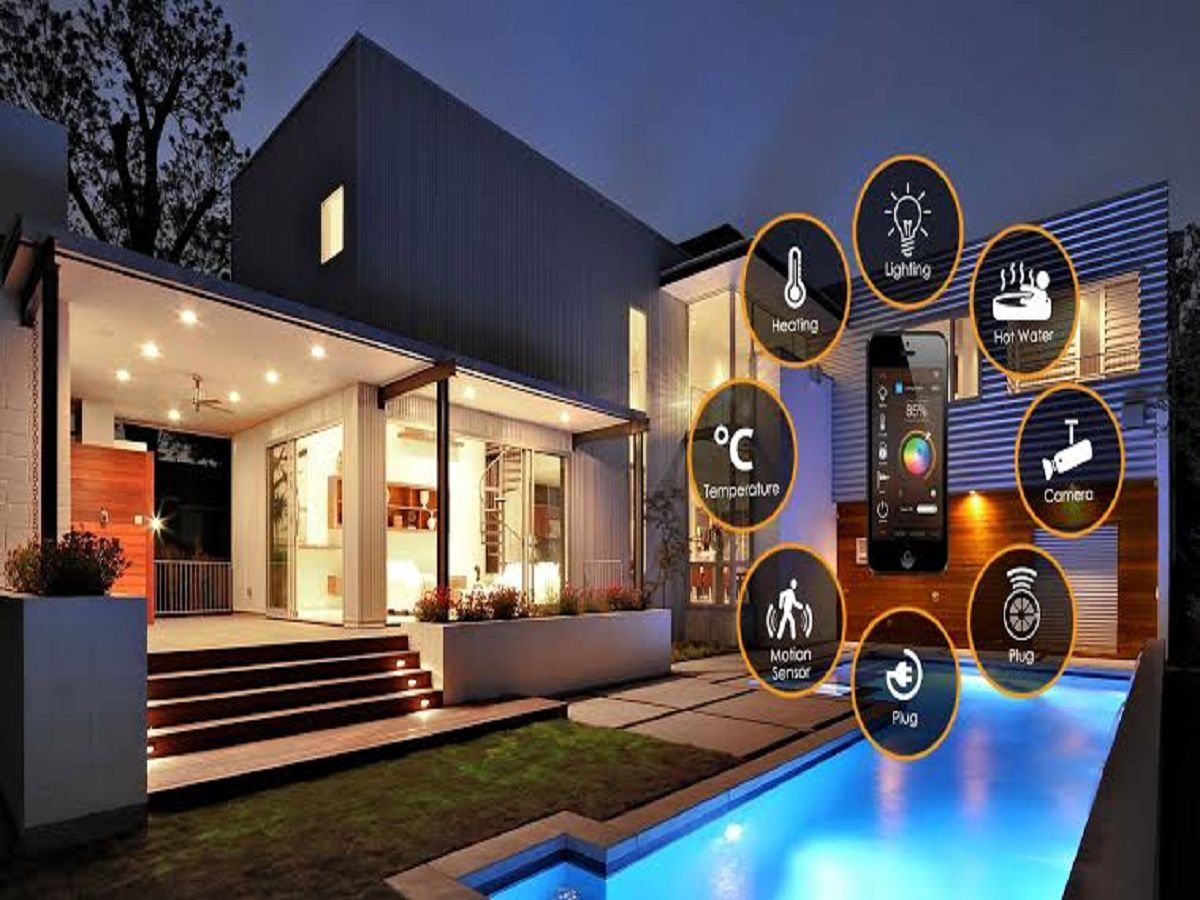
Imagine switching on your air conditioner, adjusting the lights and locking the front door using a single app, even when the devices come from different manufacturers. For years, this has been one of the biggest promises of the smart-home industry, yet making different products work together has often been frustrating.
A smart bulb might work with one application, a security camera with another, and a smart speaker with a third. Instead of simplifying everyday life, the growing number of connected devices can create a confusing collection of apps and controls.
Matter, a smart-home connectivity standard, aims to solve this problem by making compatible devices from different brands easier to connect and control.
What Is Matter Technology?
Matter is a connectivity standard developed through an industry collaboration involving companies across the smart-home ecosystem. Its goal is to help supported devices communicate with one another across compatible platforms.
Rather than requiring every manufacturer to build a completely separate connection system for every smart-home platform, Matter provides a common foundation for compatible products.
This can make it easier for consumers to combine devices from different brands without worrying as much about whether each product will work with their existing smart-home setup.
However, Matter compatibility does not mean every device supports every feature. The capabilities available still depend on the product, software and platform.
How Does Matter Work?
Matter works over supported home networking technologies, particularly Wi-Fi and Thread. Bluetooth Low Energy can be used during certain setup processes.
Wi-Fi can connect devices that need a conventional network connection, while Thread is a low-power networking technology designed for connected devices such as sensors and certain smart-home accessories.
A compatible smart-home controller helps manage devices and their interactions. Depending on the setup, users may also need a Thread border router to connect Thread devices to the wider home network.
Once compatible products are configured, supported controls can work through participating smart-home platforms.
Why Could This Change the Smart-Home Market?
1. Less Dependence on a Single Brand
In the past, consumers sometimes chose smart-home products based on the ecosystem they already used. Buying a new device could mean checking whether it worked with a particular speaker, hub or application.
Matter aims to reduce this compatibility problem. A supported device may work with multiple participating platforms, giving consumers more flexibility when selecting products.
2. Easier Smart-Home Setup
Setting up connected devices can be difficult for people who are not comfortable with technology.
Matter is designed to simplify commissioning and standardise how compatible devices join a smart-home network. This could make the installation process more consistent, although some products may still require manufacturer-specific steps.
3. More Convenient Automation
A smart home becomes more useful when devices respond to everyday routines rather than requiring manual control.
For example, compatible lights could turn on when a door sensor detects entry, or a thermostat could follow a schedule based on household routines. The exact automation possibilities depend on the devices and the chosen platform.
Matter helps provide a common communication layer, but the automation itself still depends on the capabilities of the controller and connected products.
4. More Choice for Consumers
A common standard can encourage manufacturers to compete on design, quality, pricing and features rather than relying entirely on proprietary compatibility.
For consumers, that could mean more options when upgrading a smart home or replacing an older device.
Does Matter Make Your Smart Home More Secure?
Security is an important part of connected-home technology because smart devices can collect information about household routines and control physical equipment.
Matter incorporates security mechanisms intended to help authenticate devices and protect communications. However, the standard cannot guarantee that every product or home network is completely secure.
Users should continue to install software updates, use strong account passwords, secure their Wi-Fi network and buy devices from manufacturers that provide ongoing support.
A common standard can improve interoperability, but good security still depends on implementation and responsible use.
What About Older Smart Devices?
Not every existing smart-home product can automatically become Matter-compatible.
Some manufacturers may introduce compatibility through firmware updates, while other products may need a separate hub or may never receive support.
Even when a device connects successfully, some advanced features may remain available only through the manufacturer's own application.
Before purchasing new equipment, consumers should check the product's Matter certification or compatibility claims and confirm that the functions they need are supported.
How Can Indian Households Benefit?
Smart-home technology is becoming increasingly relevant to households interested in convenience, energy management and home security.
Matter-compatible lighting, plugs, sensors and other supported products could make it easier to build a connected home without committing entirely to one manufacturer's ecosystem.
For example, a household could gradually add smart lighting and sensors over time, choosing products that fit its budget and requirements.
Nevertheless, consumers should consider local availability, installation costs, internet reliability, electrical compatibility and after-sales support before investing in a smart-home setup.
Will Matter Replace Every Smart-Home App?
Not necessarily.
Matter is designed to improve interoperability, not eliminate every manufacturer's application. Brand-specific apps may still be needed for advanced settings, firmware updates, diagnostics or features that are not covered by the standard.
The biggest benefit is that compatible devices can work across supported platforms more easily, reducing some of the fragmentation that has affected smart-home products.
What Is the Future of Connected Homes?
The next stage of smart-home development will likely involve better coordination between devices, more useful automation and increasingly local control.
As compatibility improves, consumers may be able to build a smart home gradually instead of choosing an entire collection of products from one company.
The challenge will be making these systems reliable, easy to maintain and understandable for ordinary users. Technology that requires constant troubleshooting will struggle to deliver the convenience people expect.
Conclusion
Matter represents an important attempt to solve one of the smart-home industry's most persistent problems: getting products from different manufacturers to work together.
It does not eliminate every compatibility issue, and not all devices or features are supported. Still, a shared standard can give consumers more flexibility and make connected homes easier to expand.
The real success of Matter will be measured not by how many devices carry its name, but by whether people can control their homes with fewer complications and greater confidence.