TECH
Your Next Smartphone May Think, Create and Work for You: How AI Agents Are Changing the Future of Technology
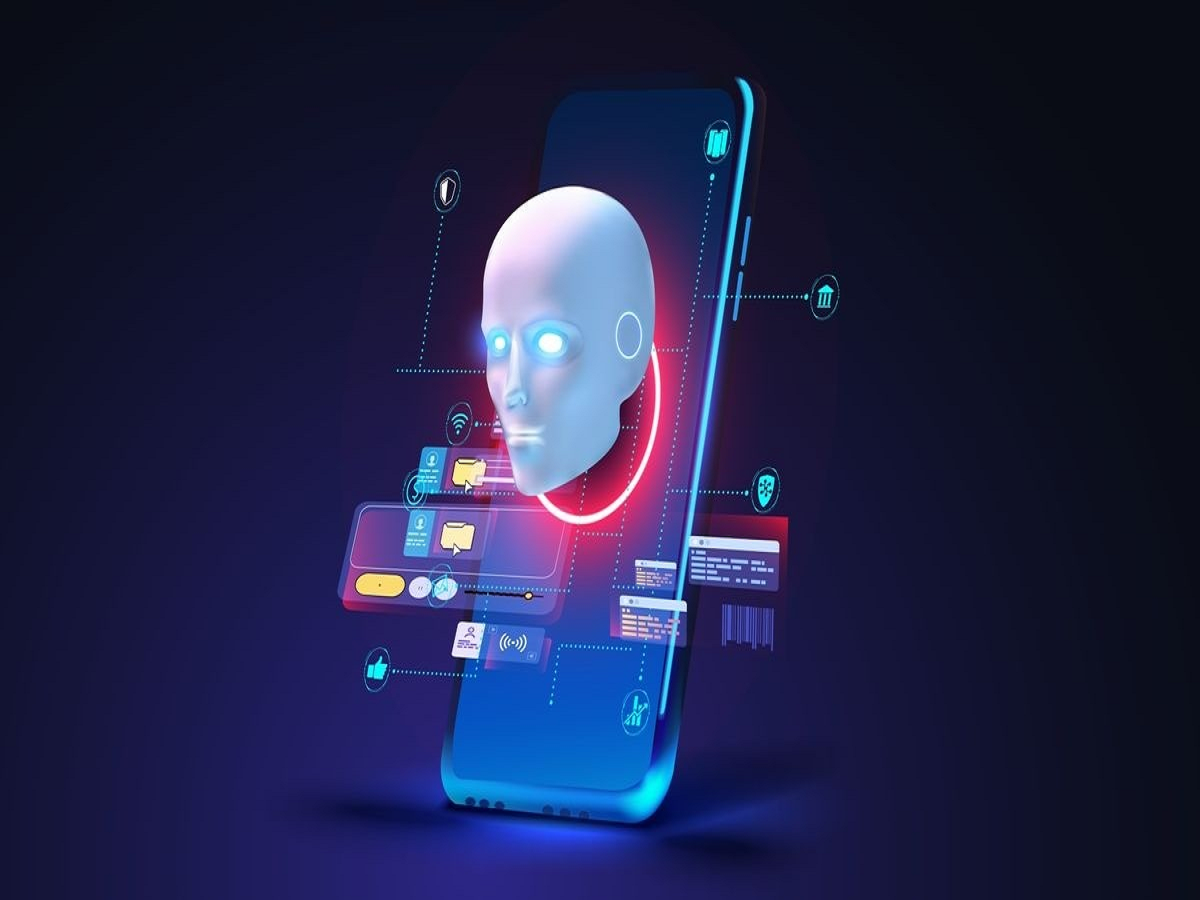
Imagine a smartphone that does more than answer questions. It books appointments, compares prices, organises your schedule, drafts emails and completes everyday digital tasks with minimal supervision. What once sounded like science fiction is becoming a realistic direction for artificial intelligence.
The technology driving this shift is known as AI agents. Unlike conventional chatbots that primarily respond to prompts, AI agents are designed to work towards a goal, break it into smaller tasks and use compatible digital tools to help complete the job.
As technology companies move beyond simple AI conversations, these systems could transform how people use smartphones, computers and online services.
What Exactly Are AI Agents?
Traditional AI assistants usually answer questions, generate text or provide recommendations. AI agents take the process a step further by attempting to carry out tasks.
For example, if you ask an ordinary chatbot to help plan a trip, it might suggest destinations, hotels and travel options. An AI agent could potentially compare available options, organise an itinerary, prepare a budget and assist with bookings through supported services, subject to your permissions and confirmation requirements.
These systems typically combine large language models with tools, instructions and the ability to perform multiple steps. Some can also evaluate the results of their actions and adjust their approach when something does not work as expected.
However, AI agents are not completely independent or infallible. They can misunderstand instructions, make incorrect decisions or encounter limitations when accessing websites and applications. Important actions involving money, personal information or official documents should always be reviewed carefully.
How AI Agents Could Transform Everyday Life
1. Smartphones Could Become Personal Digital Assistants
Smartphones are already central to communication, entertainment, payments and work. AI agents could make these devices more useful by connecting activities that currently require switching between multiple applications.
Imagine asking your phone to prepare for an upcoming business meeting. A capable assistant could help organise relevant documents, summarise permitted information, draft an agenda and prepare a reminder.
Instead of manually completing every step, users could delegate parts of the workflow to an AI system.
The extent of this functionality will depend on the device, software, connected applications and permissions available.
2. Office Work Could Become Faster
AI agents could also influence how employees handle routine administrative tasks.
They may help organise spreadsheets, summarise reports, prepare presentations, draft professional emails and identify inconsistencies in data. In finance, for example, an AI system could assist with categorising transactions, preparing preliminary variance analysis and highlighting unusual figures for human review.
This does not mean that professional judgement will become unnecessary. Financial reporting, legal compliance and business decisions still require verification, accountability and subject-matter expertise.
The biggest benefit may come from reducing repetitive work, allowing employees to spend more time analysing information and solving complex problems.
3. Online Shopping Could Become More Personalised
Online shopping often involves comparing dozens of products, checking specifications and evaluating prices across multiple platforms.
An AI agent could help narrow down choices based on a budget, required features and personal preferences. More advanced systems may be able to monitor product availability or assist with purchasing through supported services.
For example, someone looking for a laptop could specify a budget, preferred processor, memory requirements and intended use. The agent could then compare suitable options and explain the trade-offs.
Users should still verify product specifications, seller reliability, return policies and final prices before completing a purchase.
The Technology Behind AI Agents
Several technological developments are making these systems increasingly capable.
Large language models: These models interpret instructions, understand context and generate responses or plans.
Tool integration: Connections to compatible applications allow agents to search information, work with files or perform permitted actions.
Memory and context: Some systems can use relevant information from previous interactions to reduce the need for repeated instructions.
Multistep planning: Instead of treating every request as a separate question, agents can divide a larger goal into smaller tasks and work through them sequentially.
Human oversight: Confirmation steps and permission controls can help prevent mistakes when an action has significant consequences.
Together, these technologies create systems that can do more than produce convincing text. They can help turn instructions into practical outcomes.
Will AI Agents Replace Human Jobs?
The rise of AI agents has raised questions about the future of employment. Some routine tasks in customer support, administration, research and data processing may increasingly be automated.
However, the impact will not be the same across every occupation. Many jobs involve communication, accountability, complex judgement, physical work and decisions that cannot easily be reduced to software actions.
In many cases, AI may change the way people work rather than eliminate entire roles. Employees who learn to use AI tools effectively could become more productive, particularly in areas where repetitive digital tasks consume significant time.
Skills such as critical thinking, communication, data interpretation and the ability to verify AI-generated work are likely to remain valuable.
The Biggest Challenge: Privacy and Security
Despite their potential, AI agents introduce important risks.
To complete tasks, some systems may need access to emails, calendars, documents or other personal information. Poorly designed permissions or security weaknesses could expose sensitive data.
There is also the risk of incorrect actions. An agent might select the wrong product, misunderstand a request or provide an inaccurate summary.
Users should choose trustworthy services, review permissions, avoid sharing unnecessary sensitive information and require confirmation before consequential actions. Organisations will also need strong security controls, monitoring and clear accountability.
Convenience should never come at the expense of privacy or control.
What Does the Future Hold?
AI agents could become a major part of the next phase of digital technology. Instead of opening separate applications and manually completing every step, people may increasingly describe their goals and allow software to handle parts of the process.
The transition is likely to happen gradually. Some tasks will become easier to automate, while others will continue to require direct human involvement.
The most successful systems will not necessarily be those that promise to do everything. They will be the ones that complete useful tasks reliably, protect personal information and clearly communicate their limitations.
Conclusion
AI agents represent an important shift from artificial intelligence that simply answers questions to systems that can help people accomplish practical goals.
From managing schedules and preparing reports to comparing products and organising digital work, these tools could reshape everyday interactions with technology.
However, their long-term success will depend on accuracy, security, transparency and user trust. AI agents may not replace the need for human decision-making, but they could change how much time people spend carrying out routine digital tasks.
The future of technology may not be about having more applications on your phone. It may be about having an intelligent assistant that helps you use those applications more effectively.