NATIONAL
Bihar Elections 2025: Muslim Candidates Remain Underrepresented Despite Significant Population
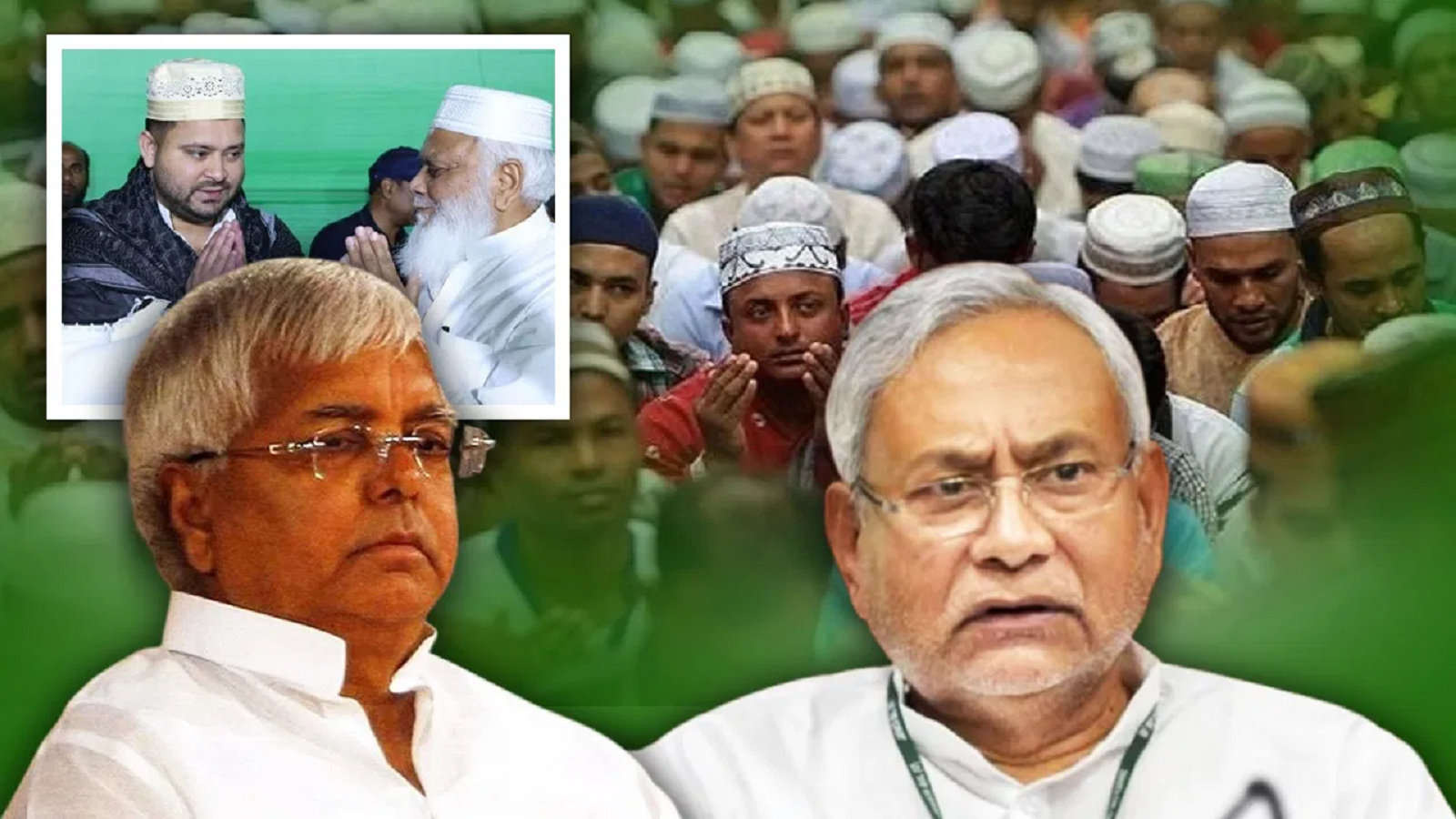
As the deadline for filing nominations for the first phase of the Bihar assembly elections ends, a striking trend has emerged—very few Muslim candidates have been announced by major political parties. Muslims make up about 17.7% of Bihar’s population, with their share rising to over 40% in northern border districts. Yet, political parties have largely overlooked them while finalizing their candidate lists.
So far, no major party has fielded more than four Muslim candidates out of 243 assembly seats. In contrast, Prashant Kishore’s newly formed Jan Suraj Party has promised to field 40 Muslim candidates and has already announced 21.
Major Parties’ Candidate Lists
-
Ruling Janata Dal (United) is contesting 101 seats and has announced only four Muslim candidates.
-
Rashtriya Janata Dal (RJD) has released three Muslim names so far: Osama Sahib (Raghunathpur), Yusuf Salahuddin (Simri-Bakhtiyarpur), and Mohammad Israel Mansoori (Kanti).
-
BJP has not fielded any Muslim candidates among its 101 contested seats.
-
Congress has announced four Muslim candidates, prompting some party leaders to question why Rahul Gandhi’s call for proportional representation has not been implemented in Bihar.
-
Smaller parties: Lok Janshakti Party (R-V Paswan) has one Muslim candidate; Hindustani Awam Morcha and Rashtriya Lok Morcha have none.
Historical Underrepresentation
Muslims in Bihar have long faced electoral underrepresentation. Of the 390 Muslim MLAs elected between 1952 and 2020, only 7.8% of total MLAs were Muslim. The highest number of Muslim MLAs was 34 in 1985. Only one Muslim has served as Bihar’s Chief Minister—Abdul Ghafoor in the 1970s—and none has ever been Deputy Chief Minister. Pasmanda Muslims, who make up 73% of Bihar’s Muslim population, have seen even less representation, with only five Pasmanda MLAs in 2020.
Shifts in the Vote Bank
Even when Muslim candidates are fielded, their electoral success has been limited. In the last assembly elections:
-
JDU’s 11 Muslim candidates all lost.
-
RJD won 8 out of 17 Muslim candidates.
-
Congress won 4 out of 10.
-
AIMIM’s 20 candidates produced 5 winners, four of whom later joined RJD.
Historically, the RJD’s combined “MY” vote bank (Muslims 17% + Yadavs 14%) was key to the party’s success from 1990 to 2005. However, the formula weakened when JDU’s Nitish Kumar built a new coalition with Extremely Backward Classes, reshaping Bihar’s electoral arithmetic.
With Muslims being a decisive factor in at least 87 constituencies, their underrepresentation raises questions about the strategies of major parties and whether new entrants like Jan Suraj Party could change the political dynamics in Bihar.