BIZARRE
Government Scheme 2026: Rural Families Can Now Get 125 Days of Guaranteed Work, Know the New Rules
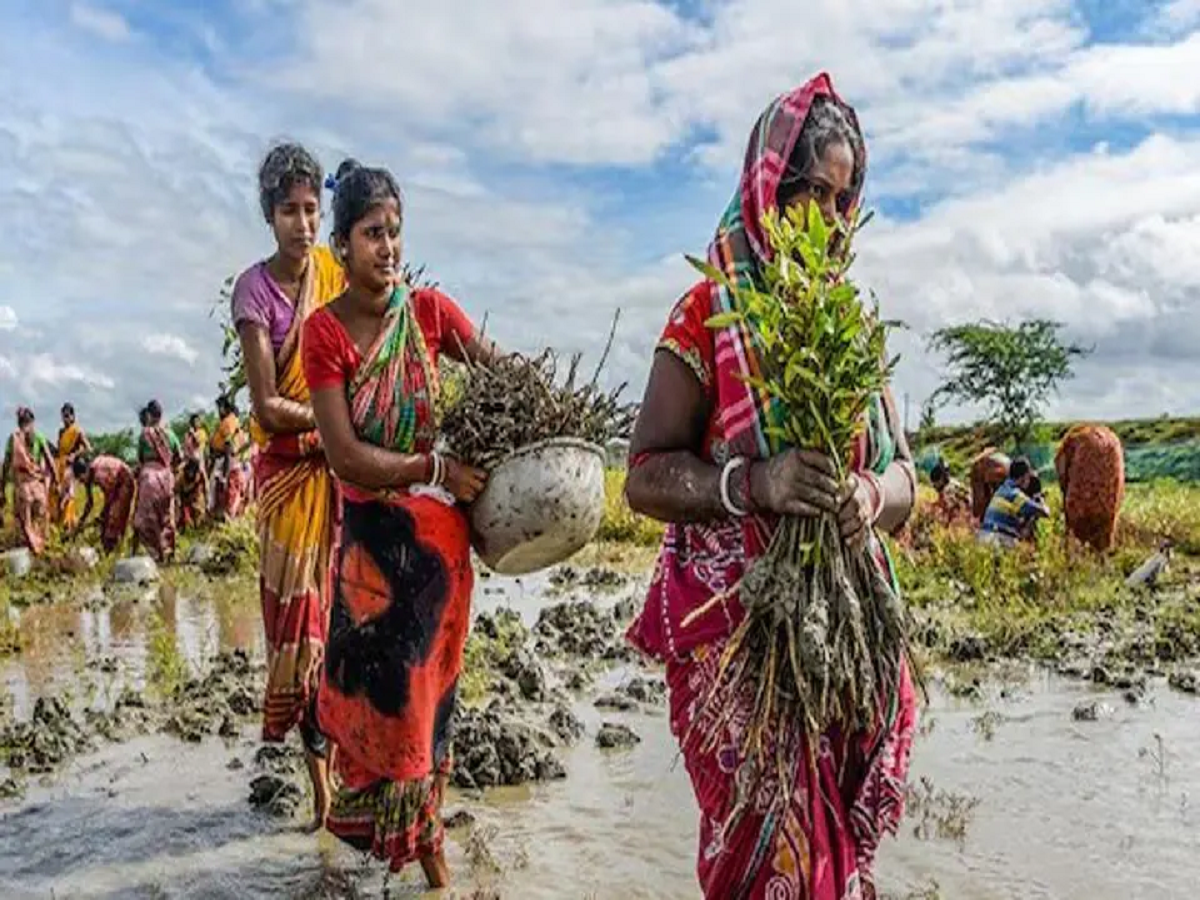
A major change has come for rural workers across India. From July 1, 2026, the government's new Viksit Bharat – Guarantee for Rozgar and Ajeevika Mission (Gramin), or VB-G RAM G Act, has come into force across the country.
Under the new framework, the statutory employment guarantee for eligible rural households has increased from 100 days to 125 days in a financial year. The government has also allocated ₹95,692.31 crore to states and Union Territories for the initial rollout.
What is the new VB-G RAM G scheme?
The VB-G RAM G Act is India's new rural employment framework. It aims to provide wage employment to eligible rural households while also creating useful and durable assets in villages.
The biggest change for workers is the increase in the guaranteed employment period.
Earlier, the rural employment guarantee provided up to 100 days of wage employment. Under the new system, this has been increased to 125 days.
Who can benefit?
The employment guarantee is aimed at eligible rural households whose adult members are willing to undertake unskilled manual work.
Existing job cards were to remain valid during the transition, allowing eligible workers to continue accessing employment without an unnecessary break.
However, workers should follow the registration and work-demand process applicable in their Gram Panchayat and state.
125 days of work instead of 100
The biggest attraction of the new framework is the additional 25 days of guaranteed employment.
This means an eligible rural household can potentially receive up to 125 days of wage employment in a year, subject to the applicable rules and availability of work.
The government says the increased guarantee is intended to strengthen income security for rural families and provide more opportunities during periods when agricultural work may not be available.
What kind of work will be provided?
The programme is designed not only to provide employment but also to create productive assets in rural areas.
The government has highlighted works related to rural infrastructure, water management, livelihoods and other activities that can contribute to long-term village development.
This means the programme is intended to combine employment generation with the development of rural communities.
What happens if work is not provided?
The new framework also provides safeguards for workers. Government information states that provisions include timely wage payments, compensation for delays and an unemployment allowance where eligible work is not provided.
These provisions are intended to strengthen income security for rural households that depend on the employment guarantee.
How can rural workers apply?
Eligible workers should approach their Gram Panchayat or the relevant local rural-development authorities to understand the registration, job-card and work-demand process in their area.
Workers should also keep their bank-account and identification details updated so that payments can be processed correctly.
Why is this scheme important?
For rural families that depend on seasonal employment, an additional 25 days of guaranteed work can provide an important source of income.
The new framework also aims to create lasting infrastructure in villages while supporting workers, farmers, women, self-help groups and rural communities.
The VB-G RAM G Act therefore represents a significant change in India's rural employment system, with the guaranteed employment period increasing from 100 to 125 days from July 1, 2026.